
 E-Paper



SIR deadline extension: More time for UP to re-verify 2.95 cr ‘uncollectible’ voters
The focus will be on 1.27 crore (8.22%) voters who have permanently shifted, 46 lakh (3%) deceased, 23.69 lakh (1.5%) duplicate entries, 84.73 lakh (5.5%) untraceable voters, and 9.98 lakh (0.62%) who failed to return enumeration forms after collecting them from booth-level officers (BLOs), officials said.

 Prefer HTon Google


Following a 15-day extension of the Special Intensive Revision (SIR) of electoral rolls on Thursday, the Election Commission of India (ECI) will re-verify 2.95 crore “uncollectible” voters (approximately 19%) in Uttar Pradesh, officials said.
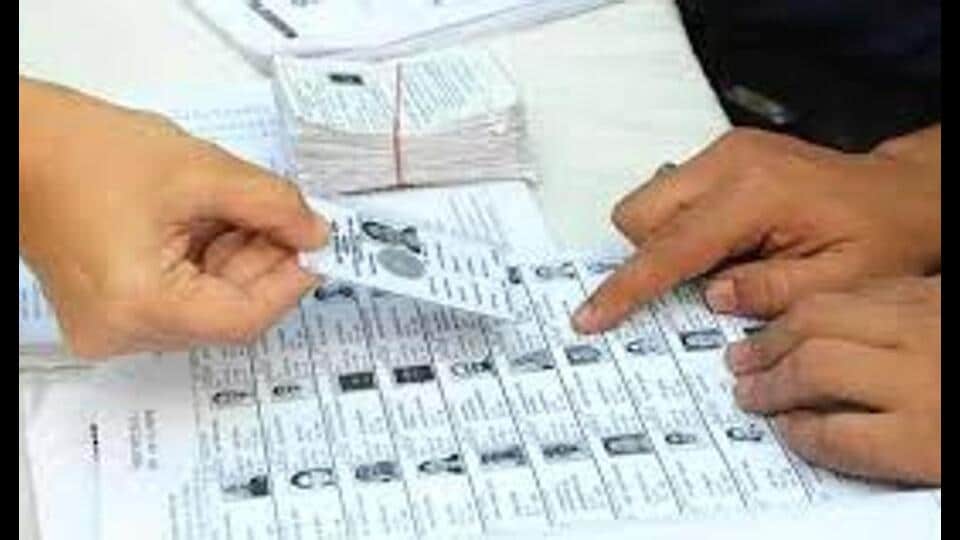
The focus will be on 1.27 crore (8.22%) voters who have permanently shifted, 46 lakh (3%) deceased, 23.69 lakh (1.5%) duplicate entries, 84.73 lakh (5.5%) untraceable voters, and 9.98 lakh (0.62%) who failed to return enumeration forms after collecting them from booth-level officers (BLOs), they added.
District election officers (DEOs) have been instructed to conduct a fresh verification of all uncollectible voters. They will hold meetings with BLOs and booth-level agents (BLAs) at each polling station, upload the minutes, and submit lists of deceased persons, permanently shifted voters, those not found at their addresses, and those registered elsewhere on both the DEO portal and the assembly segment voters’ portal.
BLOs appointed by the ECI and BLAs deputed by recognised political parties will carry out the verification drive across 1,62,486 booths.
During the extended 15-day window, the ECI will also complete mapping of voters enrolled in the 2025 electoral roll with those on the 2003 list. As of Thursday, 77% of the mapping was complete. The poll panel will also prioritise enrolling new voters during this period. BLOs have been directed to ensure eligible citizens fill Form 6, with special focus on youths who will turn 18 on January 1, 2026. Till Thursday, BLOs had collected 81% enumeration forms, of which 99.68% have been digitised, officials said.
UP chief electoral officer (CEO) Navdeep Rinwa said a request for a two-week extension of the SIR deadline had been sent to the ECI on Wednesday. According to the revised schedule, the enumeration period—earlier set to end on December 11—will now continue until December 26. The draft electoral rolls will be published on December 31. Claims and objections can be filed between December 31, 2025, and January 30, 2026.
The notice phase will run from December 31, 2025, to February 21, 2026. During this time, the ECI will take decisions on enumeration forms and dispose of claims and objections. The final electoral rolls will be published on February 28, 2026, the CEO said.
The ruling party in Uttar Pradesh and the opposition welcomed the two-week extension of the SIR deadline, albeit in different tones. While the BJP described it as a decision in public interest, Samajwadi Party sought to claim credit for the extension, and the Congress demanded an even longer window.
BJP state spokesperson Hero Vajpayee welcomed the decision, saying: “The extension of the SIR deadline will ensure that no eligible voter is left out. The ECI has extended the deadline in the larger interest of the people.”
In a post in Hindi on X, SP president Akhilesh Yadav said: “The extension of SIR deadline by two weeks is a victory for our legitimate demand and also for the BLOs and PDA sentinels. In these two weeks, all PDA sentinels should redouble their efforts to ensure that not a single valid vote is lost. The historic work they are doing today reflects their dedication to the nation and democracy. The country is honouring PDA sentinels as ‘Democracy Warriors’ because they are safeguarding the democratic future.”
Uttar Pradesh Congress Committee (UPCC) president Ajay Rai said that the SIR deadline should be extended by at least two months. “When elections are in 2027, why does the government want to pressure BLOs to complete work in December 2025. Deaths of BLOs under pressure can be avoided if the last date for SIR is extended till February. In a state like UP, with a population larger than many others, at least two months are needed,” he said.


