E-Paper



11-year-old boy challenges gender bias through his hair journey
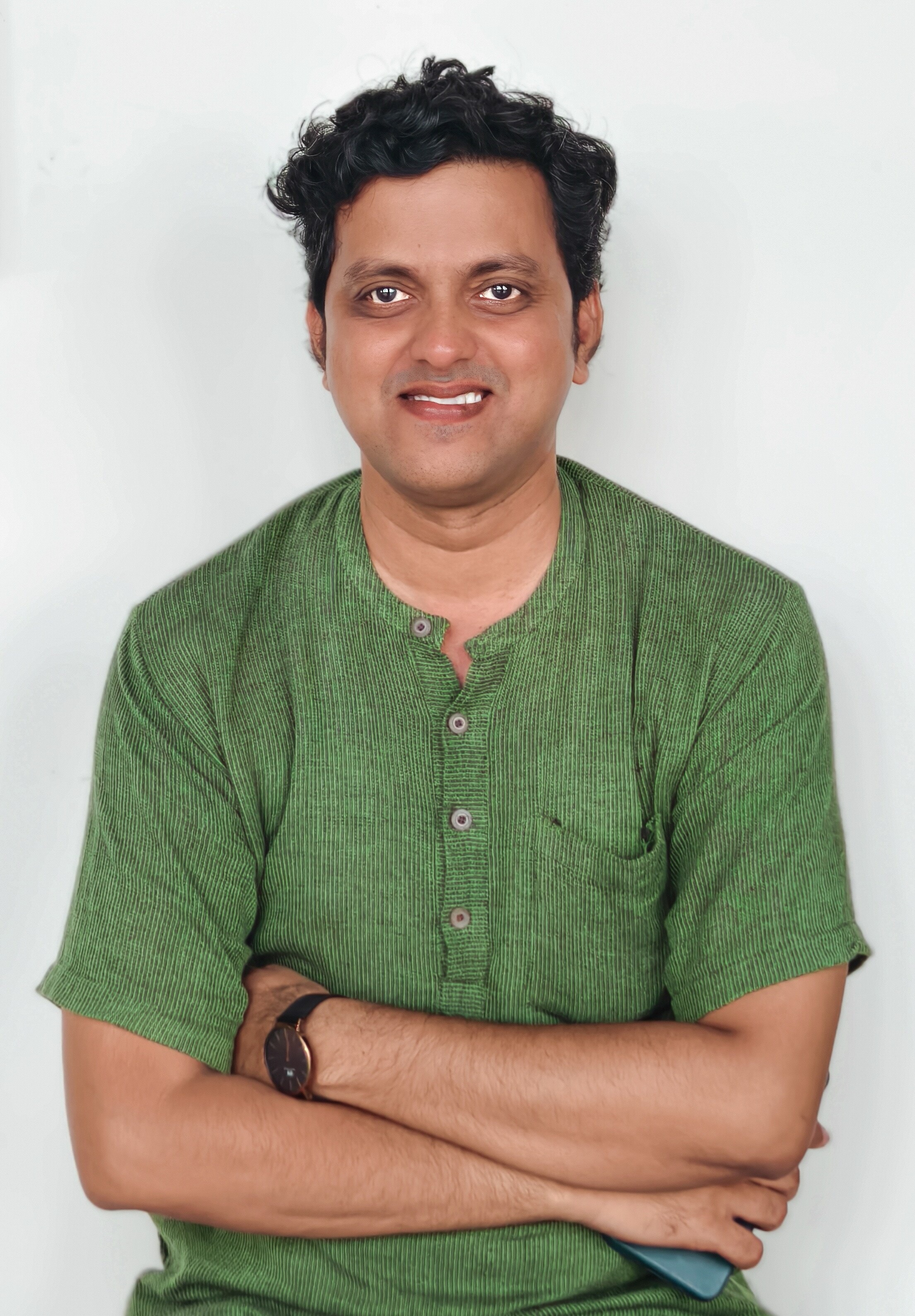
“During the lockdown period, Akul’s hair grew long, as no salons were open,” said Sumit Mehra, Akul’s father. “We attempted some haircuts at home, which turned out awful. So one day Akul told us that he would not cut his hair any more, and we supported his decision”

 Prefer HTon Google


Mumbai: Eleven-year-old Akul Mehra’s bold act of challenging gender bias and societal norms by growing his hair long prompted his school, JBCN International School, Oshiwara, to allow all male students to sport long hair. Despite facing criticism from those who believed that long hair was exclusively meant for girls, Mehra remained adamant.
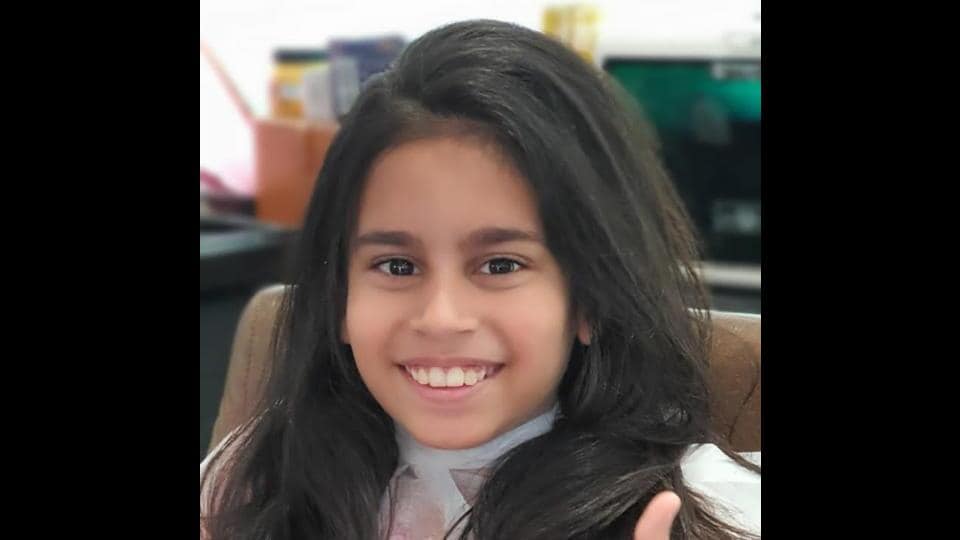
“During the lockdown period, Akul’s hair grew long, as no salons were open,” said Sumit Mehra, Akul’s father. “We attempted some haircuts at home, which turned out awful. So one day Akul told us that he would not cut his hair any more, and we supported his decision.”
When school resumed after the pandemic, Akul went back with long hair but not without having done his homework. Prepping for questions from classmates and the school authorities, he researched male hair length in foreign countries as well as in India. “I found many photos of our male gods with long hair, and a lot of policies in foreign countries to support long hair for men,” he said. “I also came to know about hair donation to cancer-affected patients. I then wrote an email to my principal, explaining my desire to grow my hair and requested permission to do so.”
K V Arjun Rao, principal of JBCN International School, said that he found Akul’s argument “deeply personal”. “I was thoroughly impressed by his confidence and belief that he could frame an argument to convince rule-makers to consider alternatives,” he said. “The school felt that this was certainly something we should support.”
The principal added that every learner deserved the opportunity to be himself or herself. “As a school, we believe that the code of conduct must be designed to support learners in their personal growth,” he said. “We aim to create an ecosystem where all adults involved in learners’ upbringing collaborate to nurture their individual journeys. Just as society constantly evolves, an educational institution must also evolve and empower learners to be future-ready. We are striving to create the change-makers of tomorrow.”
Several other schools in the city have also adopted progressiveness. “We have an inclusive policy which does not allow any discrimination,” said Vandana Lulla, director of Podar International School. “We are very happy to support queer students too.” Oberoi International School in Goregaon, which was one of the first schools in Mumbai to establish a queer support group two years ago, has recently made space in its primary school library for children’s picture books that use cartoon-style illustrations to tell stories questioning gender norms.
Another non-conformist and fun ritual was recently observed by the Aditya Birla World Academy (ABWA): ‘Odd Dress Day’, where students and teachers turned up dressed unconventionally. Some donned their shirts inside-out, others knotted their ties on their back while some male students wore dresses. It was a representation of a subculture as much as to cock a snook at teasers on campus.