
 E-Paper



57-year-old is Mumbai’s first survivor of rare heart-liver transplant
Someone, somewhere, gave me their heart and liver. I carry that responsibility, and their gift, with me every day

 Prefer HTon Google


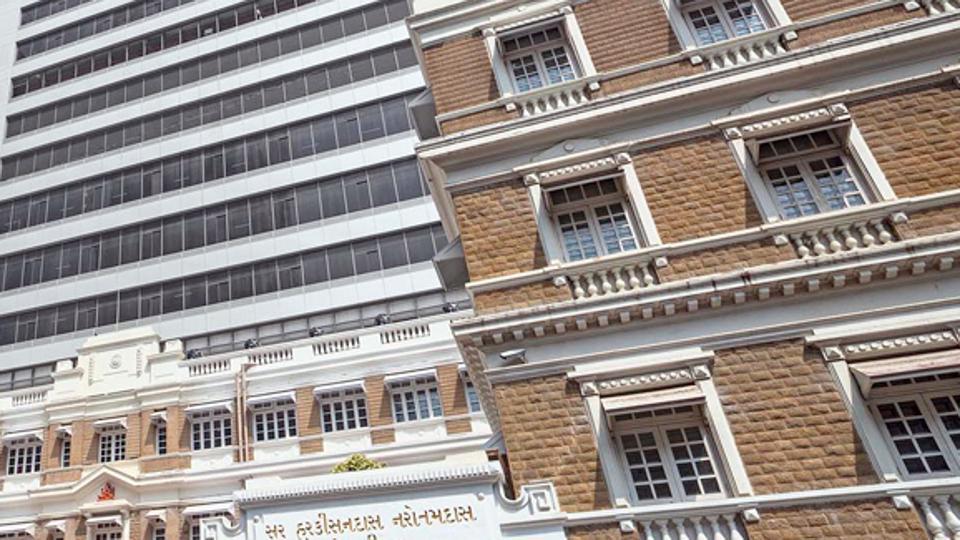
MUMBAI: Six months ago, 57-year-old Shirish Bengeri from Pune was at death’s door. His heart had failed, his liver was shutting down, and doctors feared he wouldn’t make it. Today, he is walking again, rediscovering music and rebuilding his life—thanks to Mumbai’s first successful simultaneous heart-and-liver transplant performed at the Sir H N Reliance Foundation Hospital in Girgaon.
Bengeri is also likely the first person in India to survive a “supra-urgent” dual-organ transplant—a feat considered exceptional even by global standards.
“When I left the hospital, I weighed just 46 or 47 kg. Now I am 59,” says Bengeri, smiling. “This weight gain shows that my body is accepting my new heart and liver. It was difficult initially, but I feel much better now.”
Now home, Bengeri walks twice a day—15 minutes each, in the morning and evening—under the supervision of a physiotherapist. “She says my stamina has improved,” he says. Bengeri, a senior corporate executive, has taken early retirement and hopes to return to his lifelong passion: singing. “I’ve already recorded 240 songs. I have some voice issues now, but I’m doing vocal exercises, chanting, yoga… I hope to get back to singing soon.”
Bengeri was initially listed for a heart transplant only, after he was diagnosed with ischemic cardiomyopathy, a condition that weakens the heart due to reduced blood flow. Soon, his health worsened dramatically; he was admitted to hospital in cardiogenic shock, with multiple organ dysfunction. To keep him alive, doctors implanted a Biventricular Assist Device (BIVAD)—a mechanical pump that temporarily took over his failing heart, ensuring that blood reached vital organs. The device was a lifeline, buying time and preventing further organ damage until a suitable donor could be found.
Just days later, Bengeri was dealt another blow – he developed hepatic encephalopathy, signaling severe liver failure. A reassessment revealed he couldn’t survive with a heart transplant alone; he would need a combined heart and liver transplant, and was urgently listed for both.
“Initially, we believed the liver would recover once the heart was supported,” said Dr Anvay Mulay, director of advanced cardiac surgery and heart transplant at the Sir H N Reliance Foundation Hospital. “But within three to four days, his liver began to deteriorate rapidly. The liver team concluded he wouldn’t survive without both transplants.”
Bengeri wouldn’t be the first to undergo a surgery like this. Dr Mulay said that two heart-liver transplants had been done earlier, in Chennai and in Mumbai. Both surgeries were elective; neither patient survived. Moreover, Bengeri’s case was unique: the liver transplant was not planned but became necessary due to rapid decline, making this a rare emergency dual-organ transplant.
“This is the first case in India where a patient has survived such a transplant in an emergency setting,” said Dr Mulay. “Even globally, these are done electively. To succeed under such urgency is extraordinary.”
A 38-year-old donor from Pune was the turning point. The heart was transplanted first, given its shorter cold ischemia threshold, followed by the liver, in a complex, high-risk, back-to-back surgery performed by two surgical teams led by Dr Mulay and Dr Ravi Mohanka, director of liver transplant and HPB surgery.
“The risk of bleeding was immense due to the compromised liver function, but both organs began functioning immediately. It was a massive success on every front—surgical, logistical, clinical,” said Dr Mohanka.
Bengeri was discharged on December 19, 2024, after nearly two months of intensive recovery.
According to the latest record available with National Organ and Tissue Transplant Organisation (NOTTO), India recorded 40 multi-organ transplants in 2023, including 17 heart-lung and 23 kidney-pancreas cases. Heart-liver transplants were not among them, highlighting the rarity of such procedures. The data for 2024 is still being compiled.
Anil Kumar, NOTTO’s director said, “In emergency situations, patients requiring multiple organs are given priority during allocation.” According to Dr Mulay, “We will be submitting this case to an international transplant journal. The world needs to know that survival is possible, even in emergency settings.”
Bengeri is humbled by the science behind his survival but, more so, the second chance it has given him. “Someone, somewhere, gave me their heart and liver. I carry that responsibility, and their gift, with me every day.”

Stay updated with all the Breaking News and Latest News from Mumbai. Click here for comprehensive coverage of top Cities including Bengaluru, Delhi, Hyderabad, and more across India along with Stay informed on the latest happenings in World News.


