
 E-Paper



Deep-sea pipeline to carry industrial effluents 7km off Palghar coast
At present, an older pipeline is discharging effluents from the industrial complex — which is regarded as India’s most polluted by the Centre’s Comprehensive Environmental Pollution Index (CEPI)

 Prefer HTon Google


Mumbai: The deep-sea pipeline which is currently under-construction at Tarapur MIDC, will be operational within two months, said officials familiar with the matter. The pipeline is constructed to carry treated industrial effluents from Tarapur complex to 7km away at deep sea of Navapur, Palghar district.
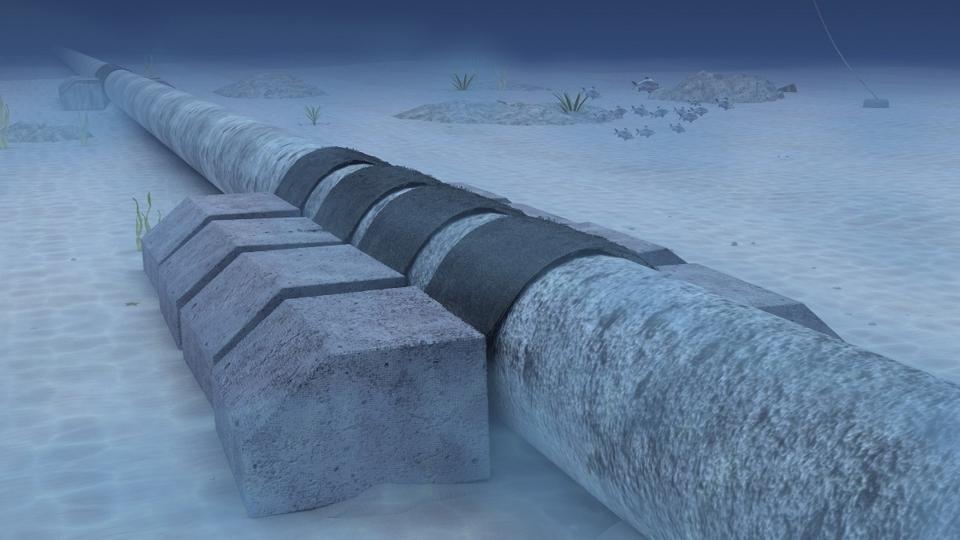
At present, an older pipeline is discharging effluents from the industrial complex — which is regarded as India’s most polluted by the Centre’s Comprehensive Environmental Pollution Index (CEPI).
An official with the Tarapur Environment Protection Society (TEPS), which operates two common effluent treatment plants (CETP) in the MIDC complex informed that the existing pipeline is made of concrete and was commissioned in the 1970s.
“Maintaining it has become a problem. There are frequent leaks during which industries have to be shut down for two or three days at a time. In the last 10 to 15 years, the effluent profile of Tarapur has also changed. Around 50% of the units currently operating are now into manufacturing of drugs or chemicals. Textile industries still contribute about 80% of all daily effluent, but it is pharma waste which is more harmful to the environment. This has caused some agony to local fisherfolk,” shared the official.
Hindustan Times visited the outfall point of Tarapur MIDC’s existing effluent pipeline at the Navapur beach during the low tide earlier this week, and observed that it was emitting wastewater with a distinguishable colour and odour, which accumulated in dark pools on the sandy shore along the length of the pipeline.
Satellite imagery shows that a significant area of the Palghar coast is affected by this discharge, with a large black plume stretching along an otherwise blue coastline, from Navapur in the north to Murbe in the south.
To be sure, the pipeline is not the only route that effluents take to the sea. HT also observed multiple outfall points discharging effluents onto mudflats and intertidal water bodies in the area, which are part of a network of creeks that crisscross the landscape. These include the Kharekhuran-Murbe Creek, the Saravalli Creek and the Dandi-Navapur Creek. At a nearby temple in Kumbhavali village, where locals are engaged in fishing and salt making, HT observed a dug well being diluted with a supply of municipal tap water, due to seepage of effluents into the groundwater table.
Exacerbated by poor functioning of the CETP and frequent leakages, effluent pollution has severely hindered fishing activities in these creeks. At Murbe village, fishers say they rarely take their boats out to sea. “The nearshore area is so polluted we cannot fish there, and you don’t find fish in the creeks anymore either. Going into the deep sea is very costly. The price of diesel alone is too high. My boat has been parked for four months,” said Eknath Patil, a Murbe fisherman.
The impact of industrial pollution in the area was comprehensively detailed in a January 21 judgement of the National Green Tribunal (NGT), which fined 103 industries to the tune of ₹260 crore as environmental compensation, and sought an action plan to remediate public health and the ecology. However, it has been alleged by villagers that despite the recent NGT order, industrial units are continuing to dump untreated or partially treated effluents into the creeks and water bodies. The TEPS official cited above refuted this claim.
“Our new CETP began operations in November last year and both plants, one 25MLD and one 50MLD, are operational. Once our new pipeline is commissioned, all other outfall points in nearby villages will be sealed. About 1200 metres of the 7km pipeline is still to be laid. The nearby outfall points are discharging treated effluent. The new pipeline has been built as per the recommendation of the National Institute of Oceanography, and the rate of dilution there will be 150 times that at the current discharge point. Over time
Experts, however, remained sceptical of this claim. “TEPS has a proven history of failing to maintain discharge standards of Tarapur’s industrial effluents. Dumping the pollutants 7km out at sea is an ‘out of sight, out of mind’ approach, which will make it harder to ascertain whether the effluent is meeting prescribed discharge standards. The pollutants may be sufficiently diluted to mask their presence, but they will remain in the environment for a very long period of time. A more sustainable approach would be to ensure zero liquid waste discharge and mandatory recycling of wastewater by industries. This will also ensure efficient use of freshwater from the Surya River, from where Tarapur MIDC draws water for operations,” said Dhwani Shah, an independent environment researcher who studies critically polluted areas and their impact on communities.
HT also attempted to contact Pankaj Gaikwad, the Maharashtra Pollution Control Board’s officer at MIDC Tarapur, but he was not reachable despite efforts on Thursday.


