
 E-Paper



Maharashtra politics: Eknath Shinde, Ajit Pawar have eyes on civic polls, keeping flock intact
Challenges ahead for Eknath Shinde and Ajit Pawar are getting numbers for civic polls, keeping their flock together

 Prefer HTon Google


MUMBAI: They are not known to be each other’s favourites and have made no bones about it either, but now as deputy chief ministers of Maharashtra, Eknath Shinde and Ajit Pawar have similar job-lists for the next five years – strengthening their parties, garnering numbers in the local body elections and ensuring that rival outfits led by Uddhav Thackeray and Sharad Pawar, respectively, are methodically decimated.
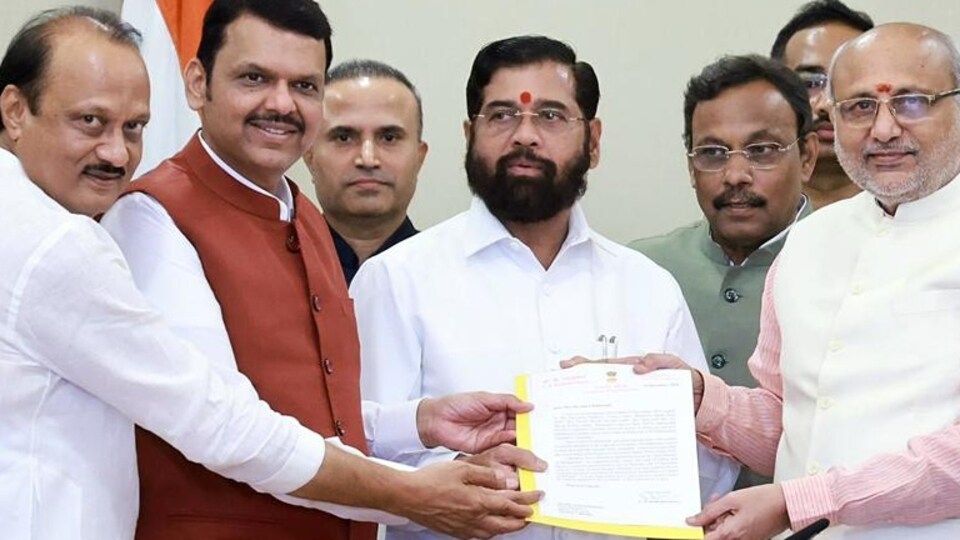
With Shinde relinquishing his position to chief minister Devendra Fadnavis, and therefore, control over the government, a Sena insider told HT that he “may not be able to fulfil promises – allowing benefits from the government -- he made to those who left Uddhav Thackeray, considering his limited powers”.
Shinde will also be under pressure from the Bharatiya Janata Party (BJP) to weaken the Uddhav Thackeray-led Shiv Sena (UBT), with an eye on the civic polls next year. “More foot soldiers have already started joining from Thackeray’s party to Shiv Sena. But now, with limited powers, we have to try harder to help those who are crossing over. We cannot afford to have Uddhav Thackeray bounce back by winning Mumbai civic polls,” said a Sena MLA.
Shiv Sena spokesperson Krishna Hegde however expressed that the party “is buoyed with success and unity is our biggest strength”.
“Through the process of government formation, everyone can see the solidarity in Sena. Senior leaders were emphatic that they would not join the government if the party president did not take up a deputy chief minister’s position,” Hegde said.
For NCP, expansion and keeping party leaders and legislators together are the main challenges.
On October 1, Amit Shah expressed confidence about BJP’s win in the 2029 assembly polls on its own steam. While Sena chose not to react to Shah’s claim, NCP believes the party’s biggest challenge is to create its own space in the coming years. “Bearing BJP’s 2029 plan in mind, we have to build up the party organization. Our work starts from today,” an NCP insider told HT.
During the split from the Sharad Pawar-led NCP, most senior leaders who were considered close confidantes of the founder, shifted allegiance to Ajit Pawar. It now falls on him to develop a second rung of leadership, maintain a balance between senior leaders and young faces.
“It is for this reason that the party has demanded the position of governor for a senior leader like Dilip Walse Patil and also wants Chhagan Bhujbal to be replaced with a young face,” said another leader, adding, “All this while, the party was thinking of local elections and leaders were elected for MLC and Rajya Sabha polls. Now if the party wants to grow, it will have to broaden its horizon.”
The party spokesperson Sanjay Tatkare said: “Neither is NCP a new party, nor is Ajit Pawar a new leader. There are other seasoned leaders; and even the workers are aware of the expectations. We all are prepared to give our 100% to meet all future challenges. Negotiating a way into success differentiates Ajit dada from others.”


