
 E-Paper



Mumbai citizens may experience severe health impacts of coal pollution: Study
Mumbai residents may be experiencing worse health and economic impacts from pollution caused by coal-fired power plants, as compared to other major metropolitan cities around the world, suggests new research

 Prefer HTon Google


Mumbai residents may be experiencing worse health and economic impacts from pollution caused by coal-fired power plants, as compared to other major metropolitan cities around the world, suggests new research by the C40 Cities Climate Leadership Group. These findings, which were released on Wednesday in tandem with a report titled ‘Coal-free cities: the health and economic case for a clean energy revolution’, also show a significant impact of coal-fired power plants on Chennai, Delhi, Kolkata, Bengaluru.
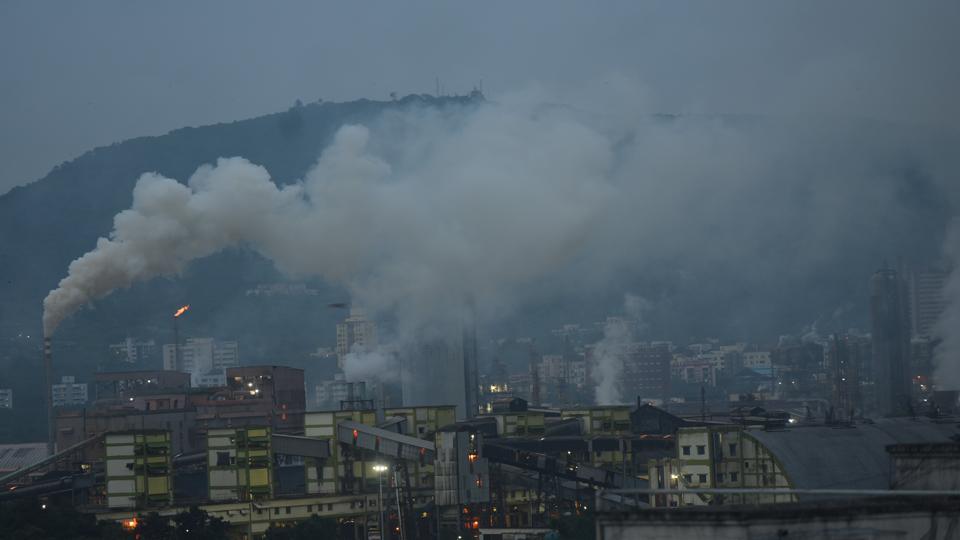
Under the existing scenario, the C40 group’s analysis shows that Mumbai’s 13 million-odd population will experience 6,200 premature deaths, 3,200 preterm births and 4,400 emergency medical visits among patients suffering from asthma and related ailments by 2031. By extrapolation, residents in the city will take a combined 2.4 million days of sick leave over the next decade, which would directly impact economic productivity. The five metropolitan cities analysed by the C40 group will together suffer 52,700 premature deaths, 31,300 preterm births and 5,700 new cases of asthma in children within the next 10 years.
Coal-fired power plants within a 500km radius of Mumbai generate a total 9% of the entire country’s coal-based power, and air pollution stemming from these plants often travels long distances, exposing and making vulnerable a much larger section of the population than residents in their immediate vicinity. Moreover, given the high domestic demand for power in the city, nearly 71% of Mumbai carbon footprint comes from electricity generation, according to a recent emissions inventory prepared as part of the BMC’s upcoming Mumbai Climate Action Plan (MCAP).
Commenting on these findings, Dr Rachel Huxley, head of knowledge and research at C40, highlighted the risk posed to citizens due to pollution from PM2.5 pollutants in the air, which stand at more than thrice the World Health Organisation’s recommended threshold. She also said that given India’s plans to expand its coal fleet to 64GW, the situation threatens to worsen in the near future.
“Current national plans would expand the coal fleet by 28% between 2020 and 2030, and not by 20%, threatening the health and well-being of the urban residents in Mumbai while undermining India’s climate and air quality targets. Current national plans could increase the number of annual premature deaths from coal pollution in Mumbai by 35%,” Huxley said.
Instead, the report advocates for “an energy transition that would supply Mumbai with renewable electricity would also generate 250,000 energy jobs in India between 2020 and 2030, and provide cheaper electricity.” The jobs would stem directly from demand in manufacturing, installation and operations of renewable energy sources.
Suggesting tangible steps in the way forward, the C40 group, along with researchers at the University of Maryland in the United States and the Centre for Research on Energy and Clean Air, modelled a plant-by-plant retirement scenario keeping in mind the age, technology, profitability, operations and pollution (air and water) caused by each individual coal-fired power plant. Around Mumbai, 20 coal units (3 GW) have been identified for retirement in the next two years, since they are the oldest, and most inefficient, emitting high levels of pollution while being the least cost-effective. Another 22 (3.5 GW) coal units could be retired by 2030, en route to a complete shutdown of coal power by 2045, the model suggests.
A rapid phase-out of coal power in the vicinity around Mumbai would “reduce India’s total annual GHG emissions by 11% (274 MtCO2 of emission savings) per year, which would be the equivalent of taking 60 million vehicles off the road for a year,” the C40 group said in a statement Wednesday.
Responding to these findings, Saurabh Punamiya, research and public policy assistant to the state minister for environment and climate change, Aaditya Thackeray, said that 25% of Mumbai’s electricity demand will be met through renewables by 2025, and that use of coal in the state will be phased out in a “just transition”.
“We intend to identify ways and means to provide more renewables to the grid. From not only the point of view of energy alone but also towards climate resilience on how we design our buildings. The aim is to identify how we can reduce energy consumption in a city which has a hot and humid climate throughout the year,” he said.


