
 E-Paper



Pod taxi to cater to 17% of BKC traffic: MMRDA
According to officials from the MMRDA, the pod taxi project will be implemented in two phases – the first phase, spanning 3.36 km, will have 22 stations

 Prefer HTon Google


Mumbai: India’s first pod taxi service at the Bandra Kurla Complex (BKC) will cater to more than 100,000 commuters per day by 2031, the Mumbai Metropolitan Region Development Authority (MMRDA) said on Monday, a day ahead of the project’s foundation stone laying ceremony.
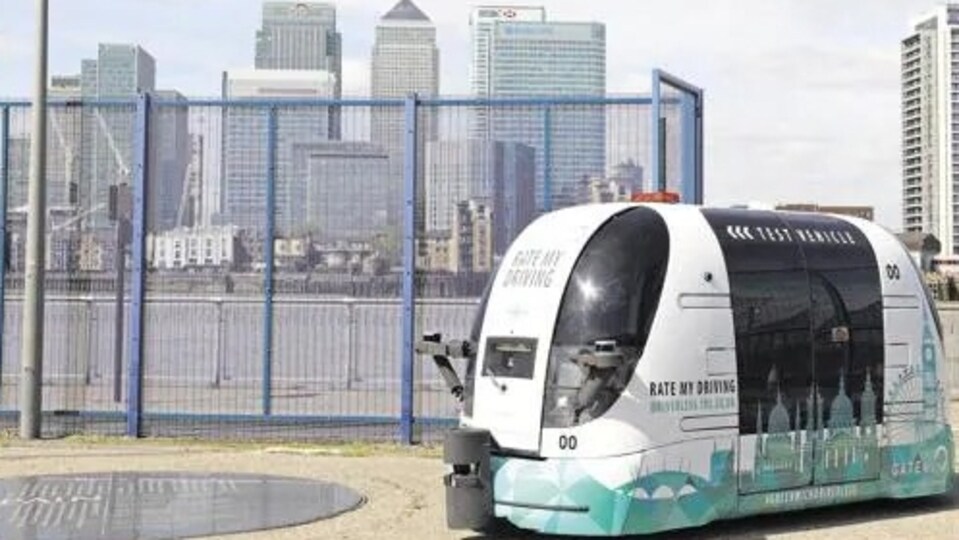
Daily ridership on the Automated Rapid Transport System (ARTS), popularly known as pod taxi, will surge to 112,000 by 2041, catering to more than 17% of those visiting the business district, the development authority said citing an internal assessment report.
Presently, daily footfall at the business district ranges 400,000-600,000, including 200,000-400,000 office-goers and visitors to various business centres, commercial hubs, the diamond market, banks and offices. More than 20,000 cars enter the district every day, alongside streams of autorickshaws plying on shared basis from Bandra and Kurla railway stations, leading to heavy congestion during peak hours – so much so that the MMRDA had earlier proposed to levy a congestion charge on vehicles that merely transit through the BKC.

“The pod taxi will transform the BKC from a traffic bottleneck into a global model for smart, eco-friendly transit,” an MMRDA official told HT, requesting anonymity.
According to officials from the MMRDA, the pod taxi project will be implemented in two phases – the first phase, spanning 3.36 km, will have 22 stations placed 200 meters apart to ensure maximum accessibility for office-goers; the second phase, spanning around 5.5 km, will have 16 stations. The project, estimated to cost around ₹1,016 crore, is being executed via a public-private partnership and would not require any financial subsidy from the state government.
“The first phase of the pod taxi service will integrate with Metro Line-3 at the BKC station and Metro Line-2B at the ITO and IL&FS stations,” the official quoted earlier said. “Once it is operational, visitors will no longer need to bring their vehicles or wait for errant auto rickshaws.”
Each battery-powered, driverless pod would carry six passengers and travel along a dedicated guideway at a maximum speed of 40 km/hour, with fares starting at ₹21 per km. Unlike buses, the pods would operate on a demand-responsive model at a gap of merely 15 seconds, and save on journey time by not halting at unnecessary stops, officials said.
“Pods will proceed directly to the stations selected by passengers,” the official said.
The service would be managed from a central control room and supported by a dedicated maintenance depot on a railway plot in Bandra East, officials said.


Stay updated with all the Breaking News and Latest News from Mumbai. Click here for comprehensive coverage of top Cities including Bengaluru, Delhi, Hyderabad, and more across India along with Stay informed on the latest happenings in World News.


