
 E-Paper



Recordings of court proceedings can’t be used as evidence: HC
A petition was filed, claiming that the proceedings before the MERC are not being conducted properly. Therefore, he said, the recordings are vital to ensure the inconsistencies in the proceedings are avoided


Mumbai: The Bombay High Court on Tuesday observed that audio or video recordings of court proceedings cannot be treated as evidence, dismissing a petition seeking mandatory recording of proceedings before the Maharashtra Electricity Regulatory Commission (MERC) to ensure transparency and avoid inconsistencies in hearings.
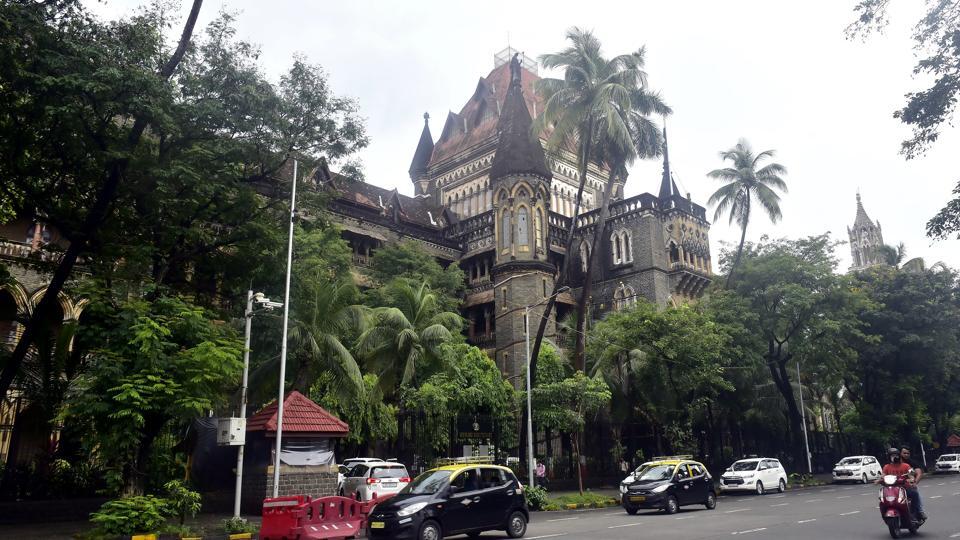
The petition, filed by social activist Kamlakar Shenoy, stemmed from a 2018 application under the Right to Information (RTI) Act, in which he sought video recordings of MERC public hearings held between July 2018 and the date of his application. In response, MERC furnished a copy of its September 2018 resolution stating that its proceedings would no longer be recorded and that any existing audio or video recordings would be destroyed as they were not part of the official record.
He claimed that the proceedings before the MERC are not being conducted properly. Therefore, he said, the recordings are vital to ensure the inconsistencies in the proceedings are avoided.
“MERC, for the past decades, has provided this transparency by having audio recordings of the proceedings and providing transcripts of the hearings to any applicant. This transparency and the established mode and modality thereof cannot be denied,” Shenoy said in his petition.
Shenoy also argued that the Electricity Act, 2003, mandates transparency in the commission’s functioning and that MERC had historically maintained this transparency through audio recordings and transcripts of its hearings. He contended that the 2018 resolution was ‘illegal and bad in law’ as it negated the transparency mandated by statute.
Highlighting the fact that recording of court proceedings is already banned, a division bench of chief justice Shree Chandrashekhar and justice Gautam Ankhad, rejected the plea, observing that Shenoy appeared to be pursuing a ‘personal grudge’ and that the petition resembled a ‘private interest litigation.’
The bench also clarified that recording of court proceedings is prohibited and such recordings cannot be used as evidence. “A litigant is not permitted to record court proceedings, much less use them as evidence in a court of law,” the judges said, adding that Shenoy had misinterpreted the Supreme Court’s observations regarding open trials and transparency.

Stay updated with all the Breaking News and Latest News from Mumbai. Click here for comprehensive coverage of top Cities including Bengaluru, Delhi, Hyderabad, and more across India along with Stay informed on the latest happenings in World News.


