NAVI MUMBAI: The Maharashtra government has appointed senior City and Industrial Development Corporation (CIDCO) officer Faiyaz Ahmed Khan as the Chief Executive Officer (CEO) of the Maharashtra State Waqf Board on a two-year deputation, ending a prolonged additional-charge arrangement at the asset-heavy statutory body.
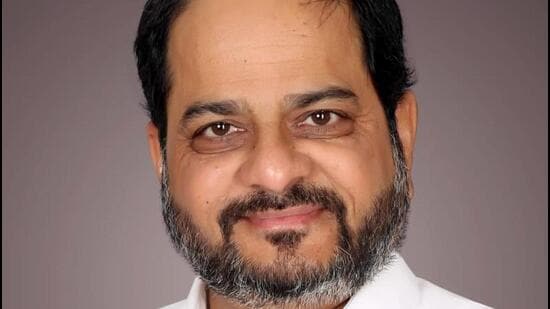
Khan has more than three decades of administrative experience at CIDCO, spanning urban development, systems management and policy implementation. A civil engineer with management and legal qualifications, he has been associated with technology-led administrative reforms and e-governance initiatives. He will take charge next week, and will be based at the waqf board headquarters at Chhatrapati Sambhajinagar.
Responding to the development, Khan said his priority would be lawful and transparent management of waqf assets.
“Waqf properties are public trusts of immense religious and social value. The focus will be on their protection, transparent administration and efficient service delivery in line with the law,” he said.
Khan’s appointment automatically ends the additional charge of CEO held by a section officer since March 2023. The appointment, made under section 23(1) of the Waqf Act, 1995, comes at a time when the waqf board faces mounting challenges pertaining to encroachment, prolonged litigation, incomplete land records and redevelopment pressures, particularly in urban centres such as Mumbai.
The Maharashtra State Waqf Board oversees thousands of waqf properties across the state, encompassing mosques, dargahs, graveyards, educational institutes and prime land parcels.
{{/usCountry}}The Maharashtra State Waqf Board oversees thousands of waqf properties across the state, encompassing mosques, dargahs, graveyards, educational institutes and prime land parcels.
{{/usCountry}}Waqf assets in Mumbai include prominent religious and revenue-generating properties such as the Haji Ali dargah, the Mahim dargah, the Minara Masjid precinct, properties in Bhendi Bazaar, and land parcels in areas like Kurla, Bandra and Jogeshwari. Many of these assets are affected by old tenancies, unauthorised constructions, disputed leases and redevelopment bottlenecks.
Outside Mumbai, key waqf properties include the Haji Malang dargah near Kalyan, the Panchakki complex in Chhatrapati Sambhajinagar, and several historic dargahs and graveyards in Marathwada and Vidarbha, many of which require fresh surveys, digitisation of records and legal protection.
Officials acknowledged that the waqf board’s effectiveness has been constrained by administrative gaps and interim leadership arrangements, even as disputes over assets have intensified amid rising land prices. The appointment of a full-time CEO will help strengthen enforcement, improve financial management and modernise governance systems.
“Khan’s appointment will help the waqf board address long-pending structural and governance issues, and bring greater accountability and effectiveness to the management of one of Maharashtra’s most sensitive and valuable public asset portfolios,” said a senior official in the minority development department, requesting not to be identified.
Stay updated with all the Breaking News and Latest News from Mumbai. Click here for comprehensive coverage of top Cities including Bengaluru, Delhi, Hyderabad, and more across India along with Stay informed on the latest happenings in World News.
Stay updated with all the Breaking News and Latest News from Mumbai. Click here for comprehensive coverage of top Cities including Bengaluru, Delhi, Hyderabad, and more across India along with Stay informed on the latest happenings in World News.