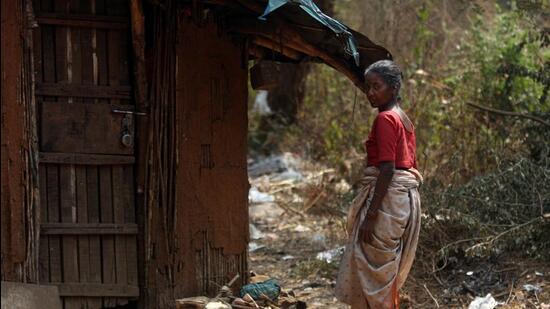
Mumbai: The future of thousands of tribals living in and around the Sanjay Gandhi National Park (SGNP) hangs in limbo as they grapple with the draft zonal master plan (ZMP), which will regulate land use and development within the urban forest’s eco-sensitive zone (ESZ). A major hurdle for the forest dwellers: the 300-page master plan was released only in English.
The Brihanmumbai Municipal Corporation (BMC) unveiled the draft ZMP on September 10, in line with the Union environment ministry’s ESZ notification of 2016. The master plan aims to document, preserve, and regulate development across Mumbai’s green belt, covering SGNP, Yeoor Hills, and Aarey Colony. The civic body then invited citizens to submit suggestions and objections within a 30-day window, which ends today.
The tribals have expressed their inability to adhere to this deadline, as the master plan was released only in English. “We have lived here for generations, and most of us haven’t studied beyond the fifth grade,” said Dinesh Habale, a tribal resident. “Our lives and land depend on these documents. How are we expected to understand a 300-page English document and file objections in such a short span?”
An objection letter submitted by the community to the BMC said, “The fact that the zonal plan, which will have a severe impact on our lives, was not made available to us in a legible manner is a violation of our basic rights and the Forest Rights Act, 2006.”
{{/usCountry}}An objection letter submitted by the community to the BMC said, “The fact that the zonal plan, which will have a severe impact on our lives, was not made available to us in a legible manner is a violation of our basic rights and the Forest Rights Act, 2006.”
{{/usCountry}}Over the past month, 14 gram sabhas have submitted formal objections to the plan. “Unfortunately, our suggestions and objections could only mention the language and time constraints with a few other points, but nothing in detail,” said Prakash Bhoir, another resident. The letters sent by the gram sabha mention that the objections are based on the understanding of English speakers who helped them interpret the plan.
“We are not well-versed with the language nor the legalities,” said Bhoir. “Hence, we have urged them to organise meetings that will help us understand the implications of the plan on our lives and its importance. “Until we fully understand the plan, any decisions taken based on it will be opposed by us and all the gram sabhas.”
An objection letter from Koltipada Adivasi Gaothan gram sabha emphasised that the ZMP directly affects their livelihoods. The letter urged the BMC and the state tribal welfare department to appoint officials who could explain the plan in a language they understand and clarify its implications. “Until we understand the maps and consequences, we will not approve any projects and will continue to protest them,” it stated.
“If we are not properly recognised in the plan, we face the risk of being relocated, while our forest claims are not even processed,” added Habale.
Environmentalists have come out in support of the tribals. “Given the complexity and scale of the ZMP, which affects several districts and thousands of residents, the notice period for suggestions and objections is insufficient,” said advocate Sagar Devre, president of the Prayas Sevabhavi Sanstha, an NGO.
“We know it will be another battle to demand another draft in Marathi, given that this draft itself took over seven years to be released,” added Amrita Bhattacharjee, an environmental activist.
The ZMP was prepared by the ESZ committee, chaired by the BMC’s municipal commissioner, following the Centre’s 2016 notification. It classifies forest land into various zones, specifying permissible and prohibited activities across 5,945.62 hectares, including 4,020.66 hectares of private land and 1,924.96 hectares of forest land.
Stay updated with all the Breaking News and Latest News from Mumbai. Click here for comprehensive coverage of top Cities including Bengaluru, Delhi, Hyderabad, and more across India along with Stay informed on the latest happenings in World News.
Stay updated with all the Breaking News and Latest News from Mumbai. Click here for comprehensive coverage of top Cities including Bengaluru, Delhi, Hyderabad, and more across India along with Stay informed on the latest happenings in World News.