E-Paper



3 villagers in Odisha killed over witchcraft suspicion, 6 arrested: Police
The bodies of the three victims were found from a hill in coastal Odisha district of Balasore on Thursday, four days after they went missing

 Prefer HTon Google


The police in coastal Odisha district of Balasore have arrested six people after three tribal villagers, including two women, were killed over witchcraft allegations earlier this week, officials said.
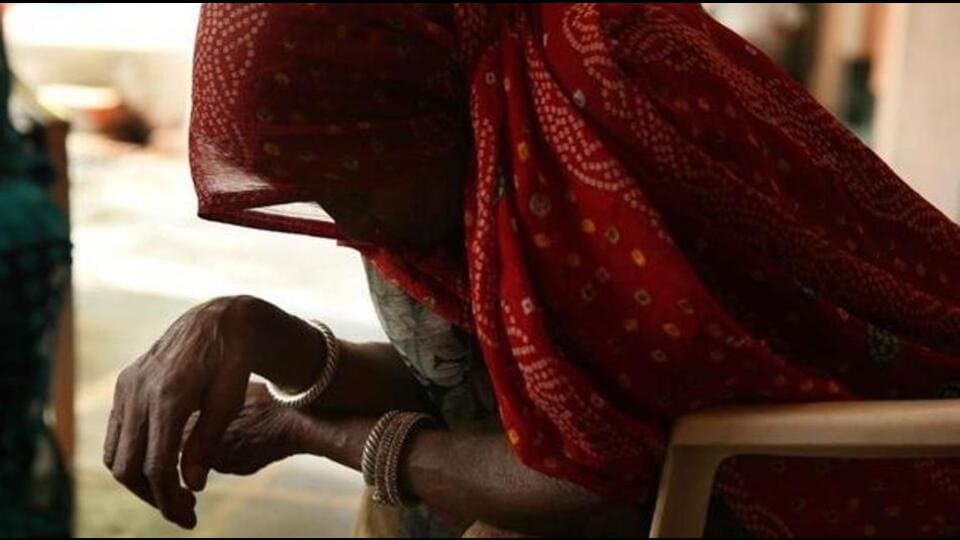
The bodies of the victims, Dampa Singh, his wife Gurubari Singh and another woman Sombari Singh of Barapada village under Oupada police station of the district were found from a hill on Thursday, four days after they went missing.
The matter came to light when Somabari’s elder son, who works in Bhubaneswar, called his mother over the phone but she did not respond. He came home on Monday and sought his mother’s whereabouts from the villagers who told him that she had gone in search of work. He then filed a missing person’s report with the Oupada police station.
Balasore superintendent of police (SP) Sagarika Nath said the villagers were suspecting Dampa Singh of practising witchcraft after his wife lost her eyesight while collecting firewood in the forests. “Some villagers suspected Dampa and Gurubari of practising witchcraft as they thought the loss of her eyesight was related to sorcery. On Sunday, a community feast was organised in the village to celebrate a villager’s birthday which Dampa Singh too attended. As some youths suddenly started accusing Dampa of practising witchcraft, an altercation ensued following which he was lynched. His wife Gurubari Singh and another woman Sombari Singh were lynched after they protested the attack,” said Nath.
Police said after killing the three, the accused tried to dispose off the bodies on a forested hilltop five kilometres away. “The accused and other villagers then convened a meeting to keep the incident a secret. However, we managed to crack the case. We would arrest a few more people in the case,” the SP said.
Though the Odisha government brought in the Prevention of Witch Hunting Act a decade ago and undertook a sensitisation campaign to put an end to this practice, there has not been any let-up in such killing. As per government statistics, 362 people were killed due to witchcraft between 2014 and 2021.
In 2021, a study supported by the Odisha State Women’s Commission found that 27% of witch-hunt cases occurred due to health issues in children, 43.5% were due to health issues of an adult family member, 24.5% misfortune or land grabbing and 5% of the cases were due to crop failure. However, only 69% of the cases saw police intervention, investigation and arrest. More than 30% had seen the death of the accused ‘witch’, whereas 17 % resulted in the migration of the victim and their family. Single women who were widowed or separated were found to be the most vulnerable groups to witch-branding related crimes.