
 E-Paper



4 killed by elephant in Odisha; Toll reaches highest in man-elephant conflict
The human casualty in man elephant-conflict in Odisha has reached 116 in 2022-23, the highest ever, surpassing the 115 human casualties in 2019-20

 Prefer HTon Google


Four persons in Odisha’s Angul district were trampled to death by a tuskless male adult elephant on Saturday, taking the human casualty in man-elephant conflict to an all-time high in the state.
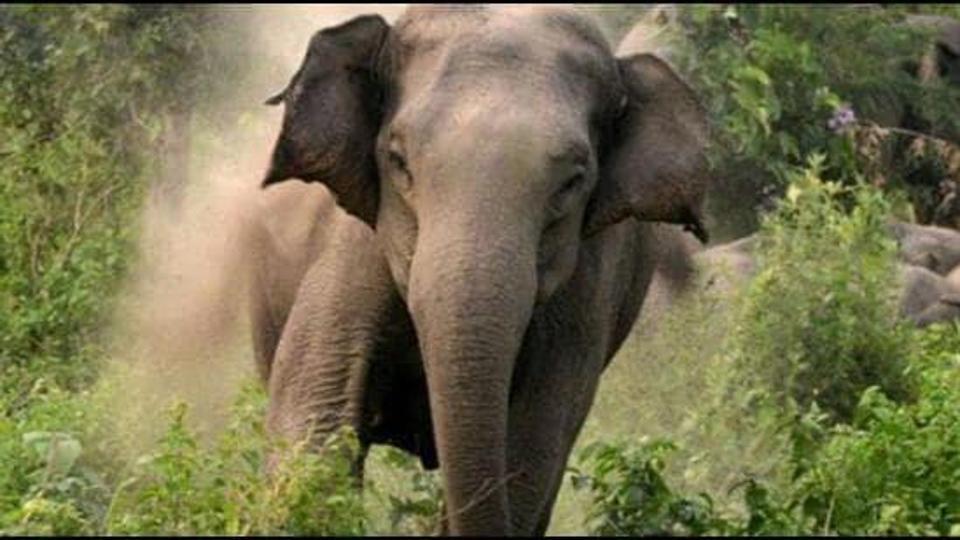
Odisha forest and wildlife officials said four men in the age group of 48 and 55 years were trampled to death by a 20-year-old makhna (tuskless male elephant) while they had gone out for either morning ablutions or visiting their agricultural fields.
“The makhna elephant was part of a herd of 25 elephants that had strayed from the herd and caused rampage in several villages of Angul block. The herd had travelled from Hindol forest range to Angul forest range a few days ago. For unknown reasons, the elephant went on a rampage and killed four persons,” said Vivek Kumar, divisional forest officer of Angul division.
The rising man-elephant conflict have forced farmers of Keonjhar, Dhenkanal and Angul districts to distress sale of paddy as they harvested their crop ahead of time fearing destruction by elephants.
With Saturday’s death, the human casualty in man elephant-conflict reached 116 in 2022-23, the highest ever, surpassing the 115 human casualties in 2019-20.
Officials said that 60-year-old Subhas Biswal of Cheliapada village had gone to visit his agricultural field near police barrage with his brothers when the elephant appeared out of nowhere. While his brothers managed to escape, the elephant lifted him with his trunk and flung on the ground leading to his death.
The elephant then went to Angarabandha village where farmer Aniruddha Sahu was working on his vegetable field when the elephant trampled him to death. The same elephant then trampled Ramesh Swain (48) of Barasinga village who had gone out for morning ablutions. A few moments later, the pachyderm trampled Ajay Samal (55) of Gadasantri village.
While Biswal, Sahu and Swain died on the spot in the attack, Samal succumbed to injuries on way to Angul hospital.
“This is the first time in Angul district in last 3 years that a lone elephant killed 4 people. The elephant got separated from the herd on Friday night and started attacking people in 4 villages. We were planning to tranquillise the elephant, but it later went back to the herd,” said the DFO.
This financial year there have been a staggering 203 cases of man-elephant conflict. The conflict also led to the death of 64 elephants. Odisha has seen 330 human casualties in elephant attack between 2020-21 and January 7 of 2023, the highest among all states.
The incident stoked outrage in the area with angry locals blaming the forest department for the deaths and demanded compensation of ₹25 lakh each to the families of the deceased.
“The forest department miserably failed to trace the whereabouts of the elephant which has led to such unfortunate deaths. No elephant or tusker had ever strayed into the villages. Had they warned the people and told about its movements, the lives of all the four could have been saved,” alleged a local who did not wish to be named.
While human casualties in man-elephant conflict worsened in 2022-23, the rising toll of elephant deaths due to poaching, electrocution and train accidents also rose sharply with the Orissa high court expressing its dissatisfaction over the state of protection measures. “There is something going wrong terribly. This has been a very bad year for elephants in Odisha...perhaps the worst year. We are reacting to a situation all the time, but not preventing anything from happening,” chief justice of the Orissa high court S Muralidhar said on December 13, hearing a case on wildlife protection, days after a poached elephants carcass was burnt by forest department officials in Similipal, one of the largest tiger reserves in the state.



