E-Paper



Assam approves formation of dept to protect, preserve indigenous faiths and culture
The decision was taken at a special cabinet meeting held to mark the completion of two months of the new government.


The Assam cabinet on Saturday approved the formation of a separate department to protect and preserve the faiths, languages and culture of indigenous communities in the state.
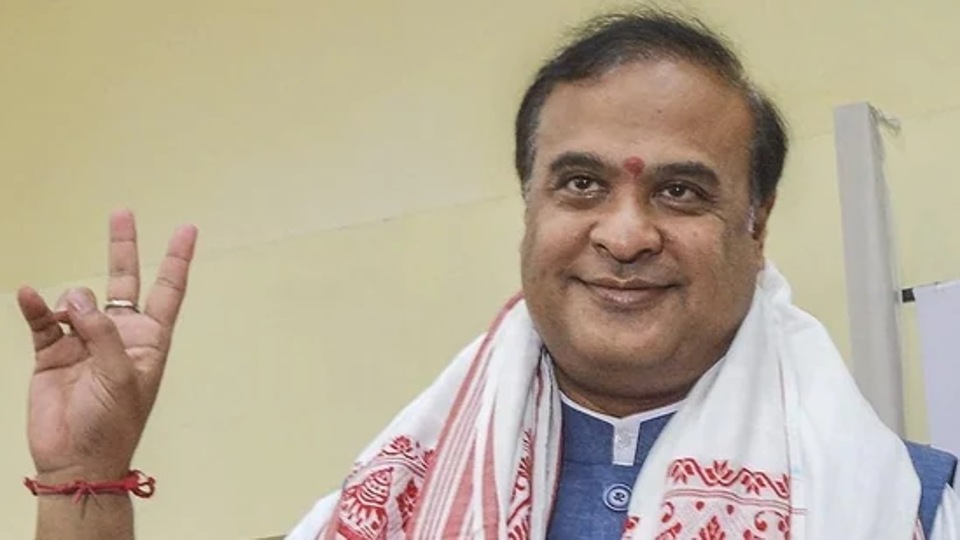
The decision to form the ‘indigenous faiths and culture’ department was taken at a special cabinet meeting held to mark the completion of two months of the new government and ahead of next week’s budget session of the assembly.
“Our indigenous populations have their own language, culture and religious beliefs but due to lack of official help from the government, several of these groups were economically weak,” chief minister Himanta Biswa Sarma said at a press conference in Guwahati.
“This new department will work to protect and preserve their unique cultures, languages and beliefs. Since it’s a new department and will require a lot of work, the cabinet has requested the finance minister to allot a substantial sum in the next budget for it,” he added.
There are eight major scheduled tribes in Assam but there are many other smaller groups and sub-groups. A proposal to grant ST status to 6 more communities in the state is pending with the Centre.
Sarma informed that the new department would work independently and focus specifically on issues relating to the faith, language and culture of the indigenous communities.
Development work and other schemes meant for these communities will be handled by other existing departments.
Saturday’s cabinet meeting also took decisions in key financial and administrative reforms changing the existing long-winded process of sanctioning schemes and allocation of funds routed through different departments.
“From now, the decision on all schemes of up to ₹2 crore will be approved by a departmental committee headed by the commissioner of each department and based on approval of the minister these works will be executed,” said Sarma.
Works between ₹2-5 crore will be decided by a committee headed by the chief secretary, projects between ₹5-100 crore will be decided upon by the finance minister and schemes above ₹100 crore will be approved by the state cabinet, the CM informed.
“This change is being incorporated to end so-called red-tape and bureaucratic hurdles in sanctioning of projects and their funding. This will reduce the time taken in the movement of files from one department to another, for approval and officers will be able to give more time in monitoring schemes,” said Sarma.