E-Paper



Assam govt presents ₹774.47 crore deficit budget; no new taxes proposed
Among the budget’s key highlights was the announcement of a scheme to send 25,000 pilgrims to visit the Ram Mandir at Ayodhya

 Prefer HTon Google


With no new taxes proposed, Assam finance minister Ajanta Neog on Monday presented the state’s ₹774.47 cr deficit budget for 2024-25 financial year.
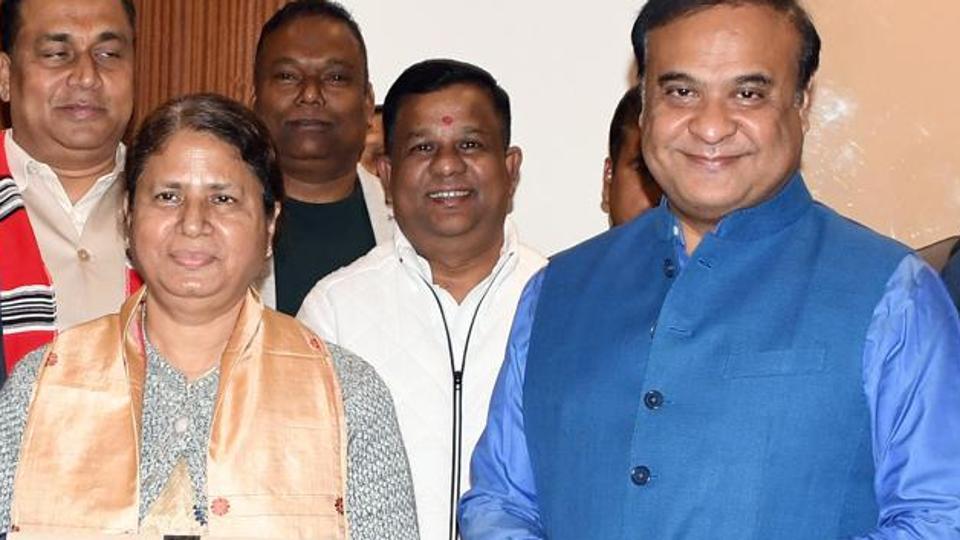
Addressing the ongoing budget session, Neog mentioned that the total budget for the coming financial year will be ₹2.9 lakh crore.
“Budget estimates for 2024-25 show receipt of ₹143,605.56 crore under consolidated fund of the state. With receipt of ₹144,550.08 crore under public account and ₹2,000 crore from contingency fund, the aggregate receipts amount to ₹290,155.65 crore,” Neog said.
The minister mentioned that total expenditure from consolidated fund in 2024-25 is estimated at ₹143,890.62 crore.
Also Read: Assam Budget: FM Neog announces financial assistance to 2 lakh youths
She said that that when expenditure of ₹142,670.09 crore under public account and ₹2,000 crore under contingency fund is taken into account, the aggregate expenditure for 2024-25 is estimated at ₹288,560.71 crore.
“There would be a budget surplus of ₹1594.94 crore during the financial year. If we take into account the deficit of ₹2369.41 crore at the start of the financial year, the budget deficit at the end of 2024-25 is estimated at ₹774.47 crore,” Neog stated.
The minister stated that the size of Assam GSDP (gross state domestic product) is estimated to be ₹6.43 lakh crore in 2024-25 in comparison to ₹5.7 lakh crore in the current financial year.
Hailing the budget, chief minister Himanta Biswa Sarma stated that this budget will help place Assam among the top five states in the country.
“This budget has provided a realistic roadmap for sustainable growth with creation of employment opportunities. Our economic growth is consistently exceeding the national GDP growth rate,” said Sarma.
Among the budget’s key highlights was the announcement of a scheme to send 25,000 pilgrims to visit the Ram Mandir at Ayodhya.
Named Punya Tirtha Yojana, the government has earmarked ₹25 crore in the budget for the same.
Neog added that the government will support one million girls with financial grants as admission incentive for their higher education.
Each girl student who joins class 11 will receive ₹10,000 and those joining first year of graduation will be given ₹12,500.
A total outlay of ₹240 crore has been allocated for this in the budget.