
 E-Paper



Assam–Meghalaya step up border coordination ahead of polls
The Assam–Meghalaya border dispute spans 12 identified “areas of difference”, rooted in differing interpretations of the Assam Reorganisation (Meghalaya) Act, 1969.

 Prefer HTon Google


District administrations and the police in Assam and Meghalaya have intensified coordination along inter-state border areas to ensure a peaceful and incident-free poll process ahead of the 2026 Assam assembly elections.
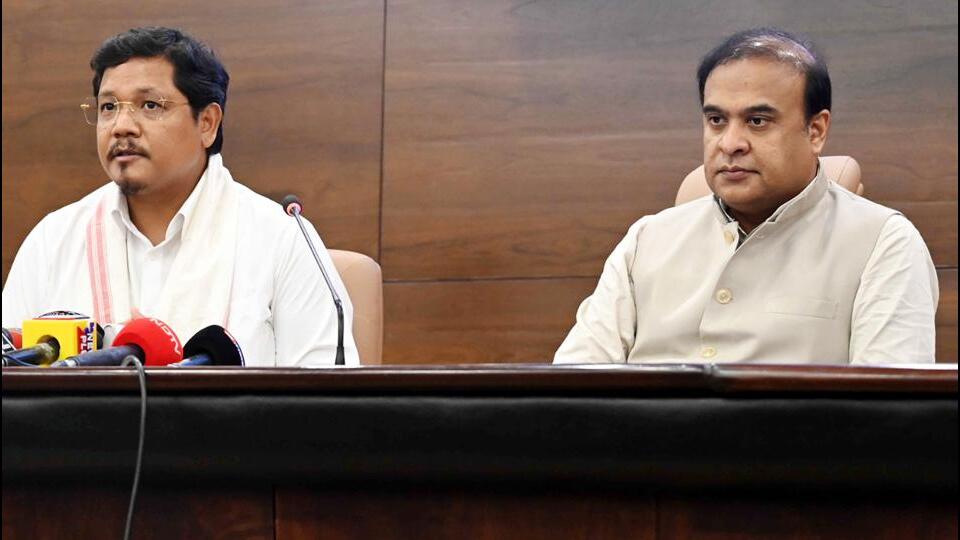
At a recent coordination meeting, officials from bordering districts reviewed security preparedness, identified vulnerable locations, and agreed to strengthen joint surveillance. Deputy commissioners and superintendents of police from both states stressed the need for seamless intelligence sharing and real-time communication.
“Close coordination between both states will be crucial to maintaining law and order during the election period,” an official said, adding that joint naka points and patrolling will be intensified in sensitive stretches.
Authorities also flagged concerns over cross-border movement, transportation of cash or contraband, and attempts to influence voters. Officials agreed on swift response mechanisms and coordinated enforcement to prevent any disruption.
The Assam–Meghalaya border dispute spans 12 identified “areas of difference”, rooted in differing interpretations of the Assam Reorganisation (Meghalaya) Act, 1969.
In a breakthrough, both states in March 2022 resolved six sectors — Tarabari, Gizang, Hahim, Boklapara, Khanapara–Pilangkata and Ratacherra — covering about 36sqkm, based on a mutually agreed give-and-take formula factoring administrative control and local population dynamics.
However, six areas remain unresolved, including Langpih, one of the most sensitive flashpoints, along with Borduar, Nongwah–Mawtamur, Deshdemoreah Block I & II, Khanduli–Psiar and Block II. These regions continue to witness competing claims and require further negotiation.
Officials maintained that enhanced coordination along these stretches is essential not only for election security but also for maintaining peace in historically contested zones.


