
 E-Paper



{Bharatmala Pariyojana} NHAI proposes 1,600km of elevated expressways for Punjab
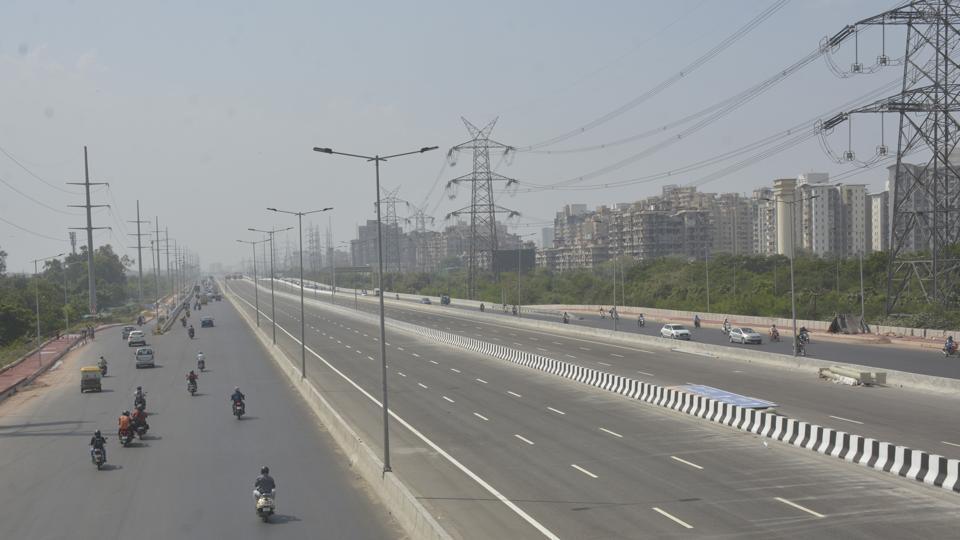
The Punjab expressways are part of Bharatmala Pariyojana that the NHAI is executing. Of 1,628km of access-controlled expressways, 1,100km are green field (new) and 528 brown field (existing projects)

 Prefer HTon Google


Chandigarh The National Highways Authority of India (NHAI) has proposed 1,628km of access-controlled (elevated) expressways in Punjab, of which 1,100km are green-field (new) projects and 528km will be brown-field projects (extension of existing highways). For the first time in Punjab, three new roads will come parallel to the existing routes of Ambala-Zirakpur (40km), Amritsar-Bathinda (155km) and Mohali-Sirhind (27km). All these roads are part of the nationwide Bharatmala Pariyojana.
The cost of these projects, which have a completion deadline of three years when started in 2022, is ₹40,000 crore, including land compensation of ₹12,000 crore. “NHAI surveys show that 22,000 acre land will be acquired for these expressway projects,” said RP Singh, NHAI’s project head in Punjab.
There are 13 more expressway projects, including seven bypasses to take out traffic from within the main cities of Ludhiana, Jalandhar, Amritsar, Patiala, Malout, Mandi Dabwali and Phagwara. The 6-lane Patran-Gurdaspur road (397 km), a part of Delhi-Katra expressway project, which will cut diagonally across the state is another key part of the project, as it will connect the state’s major destinations.
Depending on traffic density, these expressways have been planned to be 4 or 6 lanes, to be built at an elevation from 3-4m above the ground for uninterrupted traffic flow. Toll tax will be imposed on these proposed expressways however there will be no collection barriers as in case of the existing highways.
“These expressways will push development in the state as the average speed of the transport shall almost be doubled to 100-120 km per hour. The access-controlled expressway will neutralise the locational disadvantage of state in terms of distance from the ports thus giving a boost to agri-marketing and commercial enterprises,” said Kahan Singh Pannu, NHAI’s adviser for projects in Punjab, adding that fatal road mishaps which claim 12 lives per day in the state will reduce with these roads, as high-speed vehicles and large size goods vehicles will shift there.
On a section of farmers claiming that compensation pai to them for their land was low, Pannu said that the matter was in the knowledge of the NHAI and will be resolved shortly.
The major brown field projects ( there are 9 in this category) are Amritsar-Hoshiarpur, Bathinda-Malout and Phagwara-Hoshiarpur.
GREEN FIELD PROJECTS
Delhi-Katra (397km); Amritsar connectivity (99km); Amritsar-Bathinda (155 km); Ludhiana-Bathinda (75km); Ludhiana-Ropar (129km); Mohali-Sirhind (27km); Ambala-Zirakpur (40km); Mohali-Kurali (31km); Moga-Bajakhana (43km), and bypasses at Ludhiana (26km), Jalandhar (47km), Amritsar (50km), Patiala (27km), Malout (16km), Mandi Dabwali (9km), and Phagwara (7km)
BROWN FIELD PROJECTS
Malout-Abohar-Siduwal (65km); Jodhpur Romana-Mandi Dabwali (28km); Amritsar-Hoshiarpur-Una (153km), Rayya-Batala-Dera Baba Nanak (70km); Amritsar-Ajnala-Dera Baba Nanak (39km); Bathinda-Malout (39km); Malout-Mandi Dabwali (23km); Abohar-Fazilka (46km) and Phagwara-Hoshiarpur (42km).


