
 E-Paper



Dispose of waste properly to prevent mosquito breeding: Health dept
This comes in the wake of recent instances of mosquito larvae being found inside empty coconut shells discarded on roadsides have raised concerns.


LUCKNOW: Health officials have issued a cautionary reminder to the public, urging them not to casually discard items that can serve as breeding sites for mosquitoes. The recent instances of mosquito larvae being found inside empty coconut shells discarded on roadsides have raised concerns.
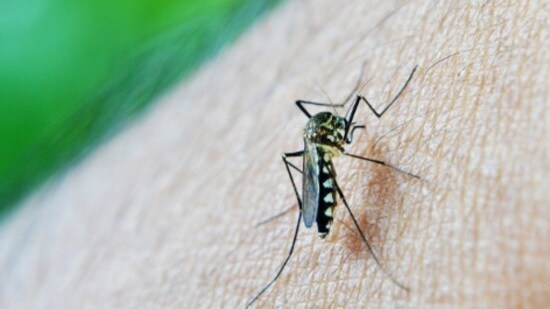
“In addition to the common spots for mosquito breeding found within homes, such as stagnant water in coolers, unused utensils, and old tires, we are now identifying mosquito larvae in unexpected places like empty green coconut shells and discarded tea cups. Community park flowerpots are also at risk,” said the spokesperson from the health department.
On Monday, Lucknow reported four new cases of dengue. Notices were issued at 10 locations where conditions conducive to mosquito breeding, including stagnant water, were discovered. Authorities emphasised the importance of proper disposal of empty shells to prevent them from becoming breeding grounds for mosquitoes.
The District Malaria Officer’s office (DMO) has issued 230 notices to property owners where conditions suitable for mosquito breeding were identified, including stagnant water in coolers and balconies. A significant number -- about 150 notices -- were distributed in August.
Uttar Pradesh has reported a total of 480 dengue cases this year, with 97 cases in Lucknow alone. Notably, over 30% of these cases were reported in August. “Even small amounts of rainfall accompanied by high humidity provide an ideal environment for mosquito breeding. Shockingly, mosquitoes can breed even in a tiny amount of stagnant water near our homes,” warned Dr Abhishek Shukla, secretary general of the Association of International Doctors.
“We urge residents to refrain from indiscriminate disposal of waste, including empty coconut shells or cans. Maintaining residences free from stagnant water, such as in flower pots or unused containers, is equally vital,” said Ritu Srivastava, the District Malaria Officer.


