
 E-Paper



Chhattisgarh: Pregnant bison electrocuted; poachers mutilate carcass
The poachers severed the animal’s head and legs and even removed a fully developed foetus from its womb.

 Prefer HTon Google


A pregnant bison was electrocuted to death after it came in contact with a live wire allegedly laid by poachers in the forest area of Chhattisgarh’s Balodabazar-Bhatapara district, officials said on Monday.
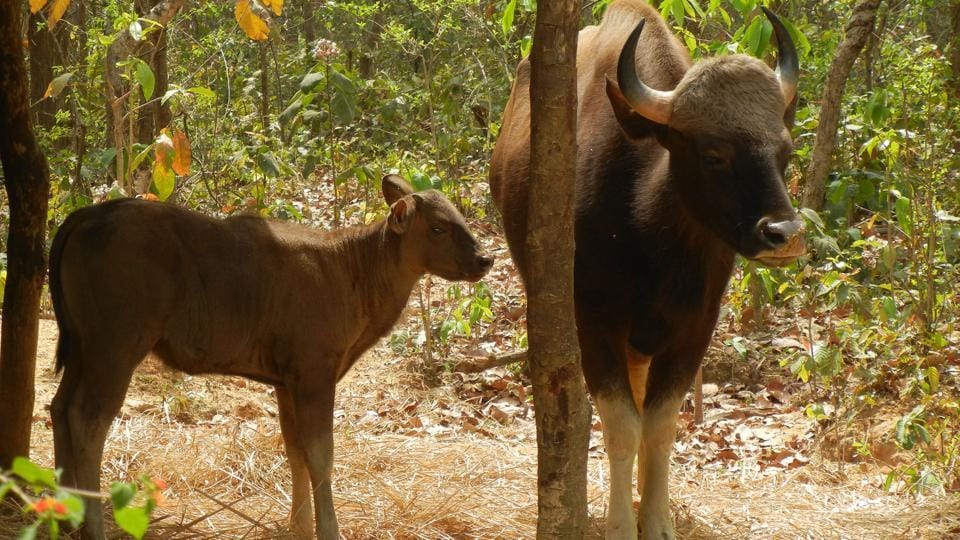
According to forest officials, the poachers severed the animal’s head and legs and even removed a fully developed foetus from its womb.
“The mutilated carcass of the pregnant bison was found on Saturday in Arjuni forest range under Balodabazar forest division. Preliminary investigation suggests that the poachers had laid an electric wire trap. The bison got electrocuted after coming in contact with it. It appears they later chopped up the carcass to dispose of it,” a forest officer said.
Some suspects have been identified and efforts are underway to apprehend them, the official added.
Raipur wildlife activist Nitin Singhvi blamed the incident on the forest department’s negligence, and said the department had been alerted about the possibility of increased poaching during the festive season but failed to take preventive measures.
In a letter to the additional chief secretary of the state forest and climate change department on Monday, Singhvi expressed anguish over the incident and urged the department to prioritise wildlife protection and anti-poaching operations over tourism promotion.
“In a letter to the Chief Wildlife Warden on October 8, I had specifically recommended deploying the sniffer dog currently housed at Nandan Van Jungle Safari, Raipur, to Barnawapara Wildlife Sanctuary, which falls under Balodabazar Division. Had that been done, even the fear of the dog’s presence could have acted as a deterrent,” Singhvi said.
He added that a similar incident had occurred a day after Diwali in Raigarh Forest Division, where an elephant was electrocuted by a live wire laid to trap wild boars. Singhvi demanded that trained sniffer dog squads be deployed in wildlife sanctuaries, national parks, and tiger reserves — at least two dogs per division, depending on area and vulnerability.


