
 E-Paper



Geneva scientists flags waste in Aravallis
The plea, shared with HT today alleges large-scale dumping, burning of industrial and plastic waste in forest areas near Khori Kalan and Khori Khurd villages.

 Prefer HTon Google


An environmentalist and research scientist Dr Amit Kumar based in Geneva filed a petition before the National Green Tribunal (NGT) in May 2025 regarding widespread illegal waste burning and unauthorised industrial activity in the ecologically sensitive Aravalli hills of Haryana’s Nuh district.
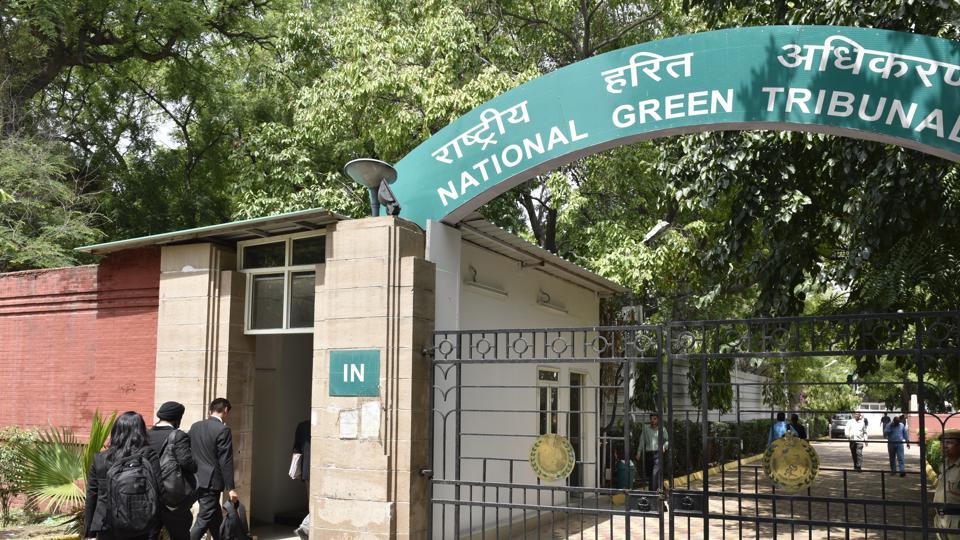
The plea, shared with HT today alleges large-scale dumping, burning of industrial and plastic waste in forest areas near Khori Kalan and Khori Khurd villages. The waste, it claims, is being transported from the RIICO Industrial Area of Bhiwadi, Rajasthan.
“These open burning sites operate round the clock and have turned parts of the Aravallis into gas chambers,” said Kumar. “Toxic emissions are impacting the air, soil, water, and the health of local villagers, many of whom report breathing issues, skin problems, and eye infections.”
The petition highlights that illegal units engaged in scrap-processing, tyre pyrolysis, and drum recycling are operating on village and forest land without any mandatory consent to establish (CTE) or consent to operate (CTO) from the Haryana State Pollution Control Board (HSPCB). These operations are releasing hazardous pollutants such as dioxins, furans, sulphur dioxide, and volatile organic compounds (VOCs).
Responding to the NGT’s May 30 directive, the HSPCB conducted inspections on May 6 and confirmed the presence of 12 illegal units in the area. According to RTI documents submitted by HSPCB with the review petition submitted on June 26, these units were shut down, and show-cause notices were issued under various sections of the Air and Water Acts. Environmental compensation is also being levied based on the scale of violations.
Despite the forest classification of the affected land, the petitioner stated that the forest department and local administration have not initiated any restoration, afforestation, or remediation work. In his review petition (RA No. 18/2025), Kumar has sought urgent judicial directions for the ecological revival of the forest, especially in light of recent fires in the region that scorched over five acres of land.
The petition also accuses the Rajasthan State Pollution Control Board (RSPCB) of inaction. During site inspections by RSPCB, labeled containers and packaging linked the waste to industrial units in Bhiwadi, raised serious questions of inter-state environmental accountability. “This is not just a Haryana issue—it’s an inter-state environmental emergency,” the petition states.
Kumar has called for the formation of a joint expert committee to assess environmental and health damage and recommend long-term restoration measures. “Unless the polluters are penalized and the ecosystem is revived, the Aravallis will face irreversible damage,” he said.
The NGT is set to review the matter again in the next hearing scheduled for August 19, 2025. The tribunal is expected to take stock of the action taken so far and deliberate on the expanded demands for forest revival, stricter enforcement, and inter-state coordination.
This case adds to mounting concerns over degradation in the Aravalli range, a vital ecological buffer for the National Capital Region, and critical to groundwater recharge and biodiversity conservation.


