
 E-Paper



Guest column: The nuts and bolts of vaccinating a country
There is no magic in magic, it’s all in the details,” said the master storyteller, Walt Disney


There is no magic in magic, it’s all in the details,” said the master storyteller, Walt Disney. As India rolls out vaccines across the country, this advice should encourage officials to focus on the nuts and bolts of vaccination.
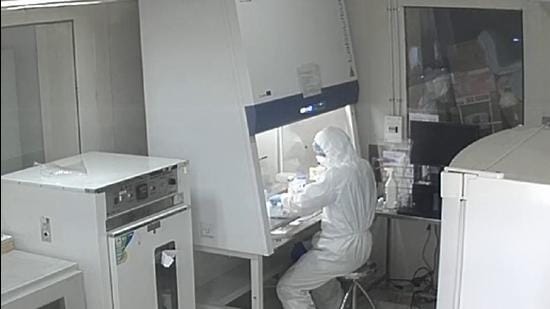
The inoculations will require granular planning in scheduling, determining disseminating centres, sending communications to recipients, recruitment of adequate volunteers, safe storage and transportation of vaccines, maintenance of records, watching for side effects and keeping track of second jabs. Ideally, all information should be stored digitally so that health authorities can easily access it during follow-ups.
Countries have begun with determining priority groups. Generally, these are health workers, the army and police.Senior citizens, the aged, and infirm, may have comorbidities. These citizens should be told to register with local hospitals and then visit on predetermined days for inoculations. Those who are unable to travel should be inoculated at home.
The challenge will be to vaccinate millions of ordinary citizens under the age of 60. The census data with local governments will be of immense value in managing micro-localities. They will help to establish the exact number of people, their location and the doses to be administered daily. Citizens will have to be inoculated by geographical zones. Depending on the quantum of vaccines available, municipalities will have to prepare schedule for vaccinations by locality and communicate them digitally. They can allocate time schedules as per specific zones .
A key element in inoculating the population will be to determine the exact number of doses to be disbursed daily to vaccination centres. This is akin to the demand forecasting models employed by corporations. Municipalities can calibrate the number of doses required in any town or locality through computer modelling. The model would need input such as population size, ages, locations of people and indicative ratios of people coming for inoculations in neighbourhoods and transport availability.
The recruitment and training of an adequate number of health workers to inoculate citizens could prove challenging. Even retired health workers such as doctors and nurses should be asked to pitch in for administering jabs in nearby hospitals.
Vaccines should be stored in the cold storages of hospitals and health clinics. The help of the private sector can also be sought, for accessing their cold storage facilities and disseminating the vaccines.
Health authorities should maintain meticulous records of the names, ages and contact details of people who have been inoculated. This will also help to ensure that they return for the second jab.
Inoculating a billion people in India is a tough call and as such we should enrol the private sector actively. Large corporations such as Tata and Unilever have their own clinics with doctors and medical staff in offices and factories. These companies should be given vaccines to inoculate their staff .While vaccinating slums, it would be useful to establish vaccination centres on sites. Vaccination can be undertaken in educational institutes. If there are enough vaccines, we could order them online. Pharmacies could pack ‘do-it-yourself’ kits. This can happen in 24 to 30 months.
(The author, a management consultant, has been managing director of Unilever Tanzania. He is an alum of Harvard Business School.)


