
 E-Paper



Malaria control agency on alert; 100 houseowners get notice for larva breeding
After finding larva in unused things on balconies and terraces of residences throughout the month of September, over 100 homeowners received notices.

 Prefer HTon Google


LUCKNOW The district malaria control agency started a screening exercise of 100 homes near the house where a new case has been recorded and the larva are commonly seen inside dwellings.
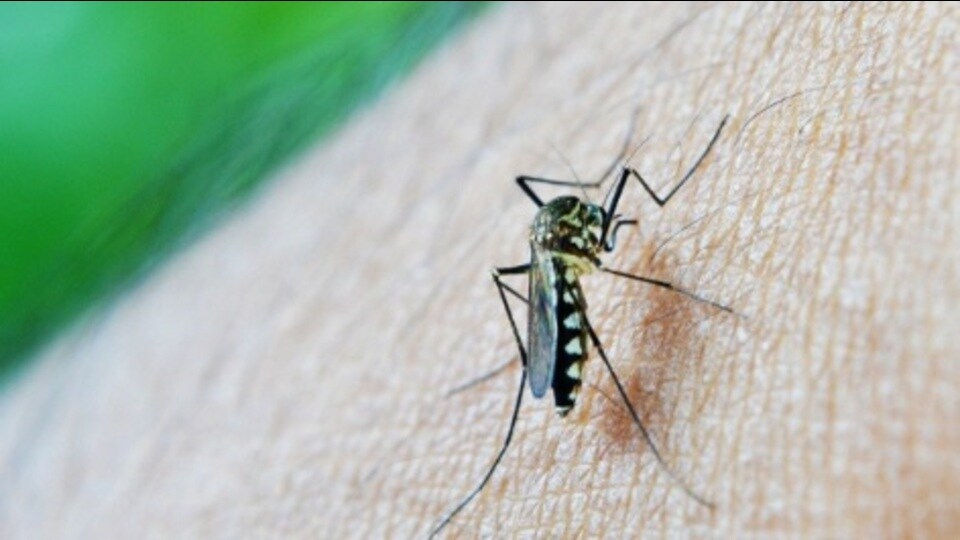
“If one person tests positive for dengue, there is a potential chance that the mosquito also bit a number of other people. The incubation period for the disease to manifest symptoms ranges from four to seven days depending on the immunity of the person who has been bitten/infected,” according to Ritu Srivastava, district malaria control officer.
After finding larva in unused things on balconies and terraces of residences throughout the month of September, over 100 homeowners received notices. Larva is frequently seen in water trays in refrigerators, water plates positioned beneath flower pots on balconies, and drawing rooms in high-rise apartments in the state capital.
“People should make sure that there is no standing water in any disused things on their balcony or terrace, or even inside their bedroom or living room. These are locations that health professionals will find challenging to reach, especially in apartments where there are frequently women living alone during the day. Therefore, taking a few precautions can reduce dengue,” added Srivastava.
Officials claim that in addition to dengue, chikungunya and malaria are other threats, both of which peaked in October of last year
Mosquito Facts:-
The female Aedes Aegypti mosquito has a life cycle of 21 days, out of which up to 12 days it lives as an adult and bites humans spreading dengue
The Aedes Aegypti mosquito bites humans for blood protein that enables her to lay egg
The Aedes Aegypti mosquito hides behind curtains, books, and in your room and comes out to bite.
The male mosquito feeds on nectar
The Aedes Aegypti is known to bite in the morning, but this is no longer the case. Given morning-like light at night and temperature it can bite at night too.
The life cycle of a mosquito begins with the egg and progresses through larva, pupa, and adult mosquito stages.


