
 E-Paper



Can AI really personalise your diet? Celebrity dietitian explains the pros, limits and risks of AI meal plans

 Prefer HTon Google



Thinking of using AI to plan your meals? Celebrity dietitian Simrat Kathuria explains whether technology can truly personalise your diet.
Artificial intelligence has taken over the world with its quick responses and research skills. From the media industry to the technical world, AI is slowly taking over everything, and medical science is no different. AI is becoming more and more a part of life, and the app offering personalised diet plans is now being offered at the click of a button. These tools can provide information about age, activities, food tastes, dietary habits, and calorie needs to recommend meals. While technology makes meal planning easier, can it know what an individual needs? In an interview with HT Lifestyle, Simrat Kathuria, celebrity dietician and nutrition consultant, decodes the promise and pitfalls of AI meal plans.
Also read | Clinical nutritionist reveals simple yet effective ways to reduce belly fat without crash dieting or extreme workouts
Why one diet doesn’t fit all?
Simrat Kathuria highlighted that eating plans are not just about calories and nutrients. Another factor for personalisation is lifestyle, eating habits, cultural food choices, work schedule, sleep, stress levels, and the individual's relationship with food. The response to the same eating pattern will vary between two individuals with the same age and activity level.
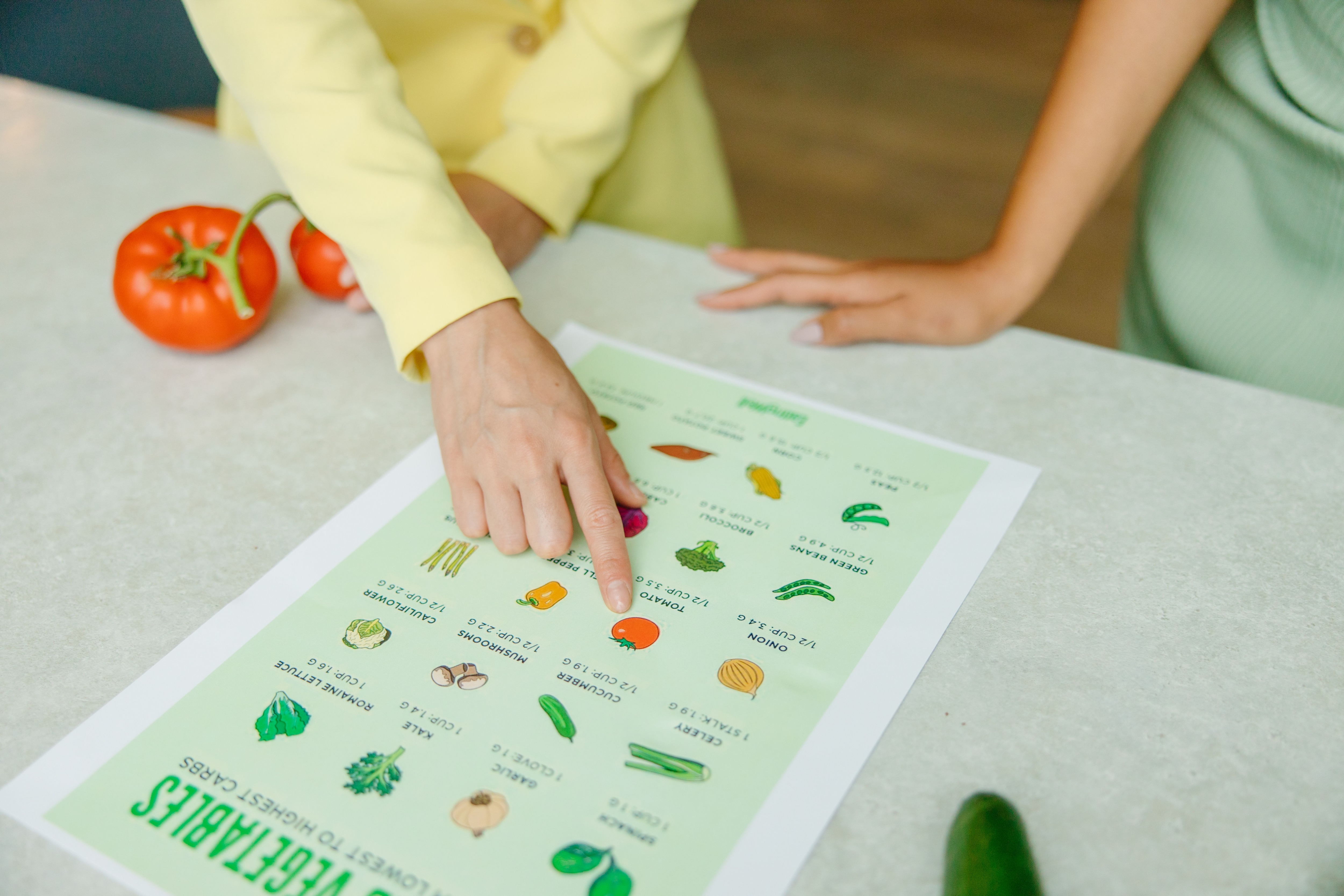
Drawbacks of AI meal plans
“AI meal plans can be a good place to start. They can offer some support in planning meals, in discerning any possible gaps and in variety within the diet,” said Simrat. They can also help keep things consistent by providing instant meal recommendations according to the ingredients on hand and personal tastes.
But there are drawbacks to technology. A digital system may not have the same knowledge as a person about their medical history or evolving nutritional needs, nor appreciate the day-to-day issues of dietary adherence. She highlighted that AI can suggest a meal, which is theoretically balanced but might not be appropriate for an individual's health conditions.
The quality of the information input to the system is also important. A plan may not be as appropriate if a person is short of or incorrect on information provided. It is possible to have a personalised-looking plan or plan, but not a professionally personalised diet.
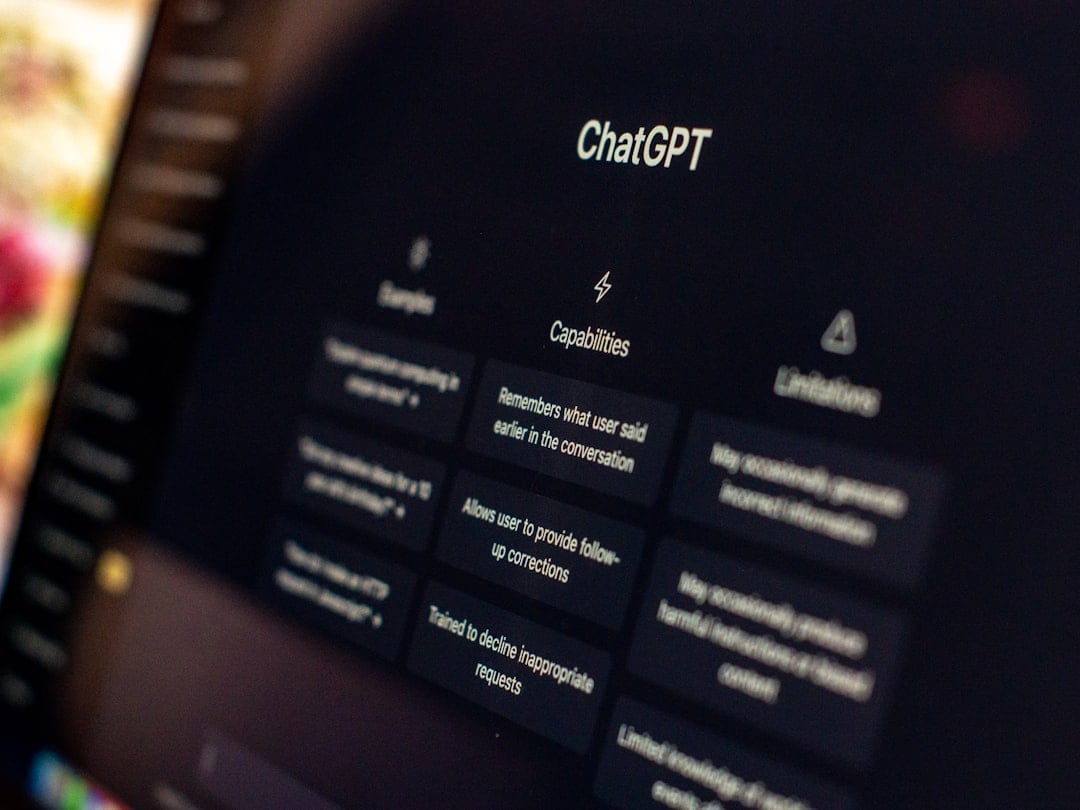
According to Simrat, AI should thus be considered as a supplement and not a substitute for expert nutritional advice. It is necessary to evaluate each person's needs, track progress and adjustments accordingly, which can be done by a qualified dietician.
The developments in technology facilitated nutrition have a promising future ahead, but the best nutrition aid will involve a mix of technology and human knowledge. An ideal meal plan for diet should be customised for the nutritional needs of the person, as well as their lifestyle.
Note to readers: This article is for informational purposes only and not a substitute for professional medical advice. Always seek the advice of your doctor with any questions about a medical condition.

Catch your daily dose of Fashion, Taylor Swift, Health, Festivals, Travel, Relationship, Recipe and all the other Latest Lifestyle News on Hindustan Times Website and APPs.


