
 E-Paper



Odisha: 3 forest officials suspended over burning of elephant carcass
A tusker was killed by poachers near Bakua village in Jenabil range of the Similipal Tiger Reserve in Odisha with its tusk sawn off

 Prefer HTon Google


The Odisha government on Sunday suspended three officials of the Similipal Tiger Reserve of Mayurbhanj district over allegations that they burnt the carcass of an elephant and threw off the remnants in a river, a senior official said.
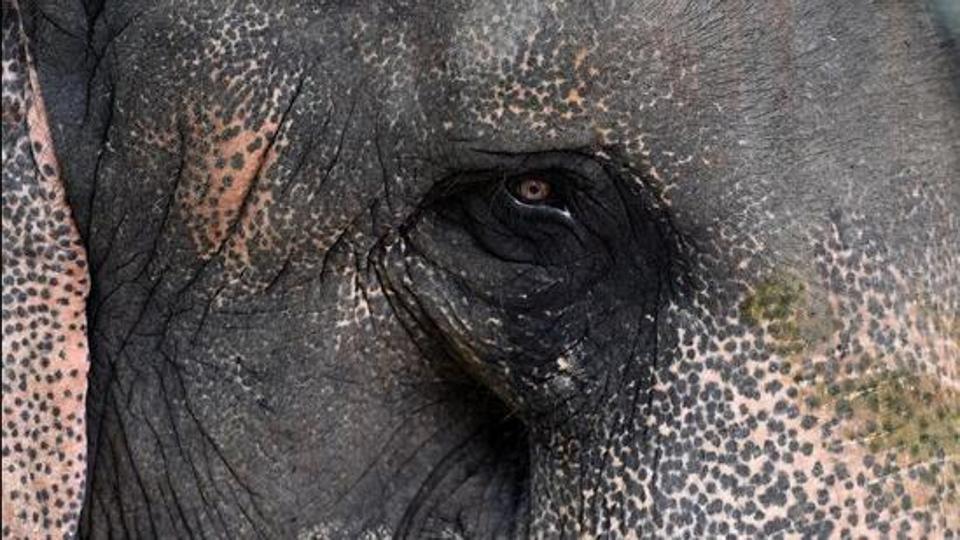
Similipal Tiger Reserve field director T Ashok Kumar said he has suspended three officials including the ranger of Jenabil forest range in the reserve over their alleged involvement in the concealment of the elephant death and disposal of the carcass.
“Pending probe, they would remain suspended as they did not follow the standard operating procedure of informing the higher-ups. The deputy director of the reserve has recovered some bones from the river and the same is being sent to OUAT (Odisha University of Agriculture & Technology) in Bhubaneswar for testing. The deputy director is conducting a probe into the whole incident and more heads may roll once the report is received,” he said.
On Thursday, forest department officials said that a tusker was killed by poachers near Bakua village in Jenabil range of the tiger reserve and its tusk sawn off. Following the incident, the officials of the forest range allegedly burnt off the carcass and then threw off the burnt bones in the nearby Deo river.
The incident appeared to be a repeat of a set of incidents in the tiger reserve in April and May 2010 when the carcasses of 14 elephants were recovered in Similipal Tiger Reserve of Mayurbhanj district by an independent inquiry committee of the National Tiger Conservation Authority (NTCA). The inquiry team found that the field staff had burnt and destroyed the carcasses to destroy evidence.
The NTCA team headed by Belinda Wright of Wildlife Protection Society of India in its report had said that there was a concerted effort to destroy the remains of the elephant carcasses which amounted to destruction of evidence without registering a case. Ruling out the involvement of poachers, the NTCA probe team said “unless accountability is fixed, the situation in Simlipal can never improve”. Though the probe had recommended strong action as per service rules against these field staff, no action was taken against any of the staffs involved.
Incidentally, in June and July this year, the forest department had arrested 10 of its officials, including a forester, on charges of suppression of information after the special task force of the Odisha police found bones and carcasses of five elephants, including a tusker from Athagarh forest range, allegedly buried by forest department staff to conceal their deaths. The government later constituted a joint task force comprising forest and criminal investigation department officials to probe rising elephant deaths and allegations of cover-ups which last month told the Orissa high court that it is preparing a draft comprehensive action plan to curb elephant deaths due to poaching, electrocution and train accidents which would be fully implemented by December-end this year.
In a separate incident, the carcass of a 15-year-old female elephant was found near Kadamsole village within Nilagiri range of Kuldiha Wildlife Sanctuary on Saturday. The samples collected from the carcass were sent to a laboratory for testing to ascertain the exact cause of the elephant’s death.
Though the Odisha government has three elephant reserves – Mayurbhanj, Mahanadi and Sambalpur – spread over an area 8,508.95 square kilometre and constituted five elephant corridors for the smooth movement of the herds of elephants, much of the areas are overrun with poachers or disturbed by rising industrialisation, mining and urbanisation.
In 2022-23, at least 54 elephants died in the state with a majority of them falling to electrocution, poaching and train accidents. Out of a total of 1,976 jumbos counted in 2017 elephant census, the last time when such a census happened, 344 were found to be adult males. Since then, in a little over five years, Odisha has lost over 108 male elephants over the age of 15, mostly to poaching and unnatural deaths like electrocution, poisoning, train and road accidents.



