E-Paper



Odisha elephants face food shortage due to rising population: Forest official
Odisha has been witnessing increasing levels of human-elephant conflict over the past three decades due to habitat loss and fragmentation of habitats by anthropogenic activities.

 Prefer HTon Google


Amid a probe order by the Odisha forest minister into the unnatural deaths of around 50 elephants in the state in the last six months, a senior forest and wildlife official on Tuesday said the state’s elephant population is facing a severe habitat crunch, leading to food shortages, rising human-animal conflicts and declining animal health.
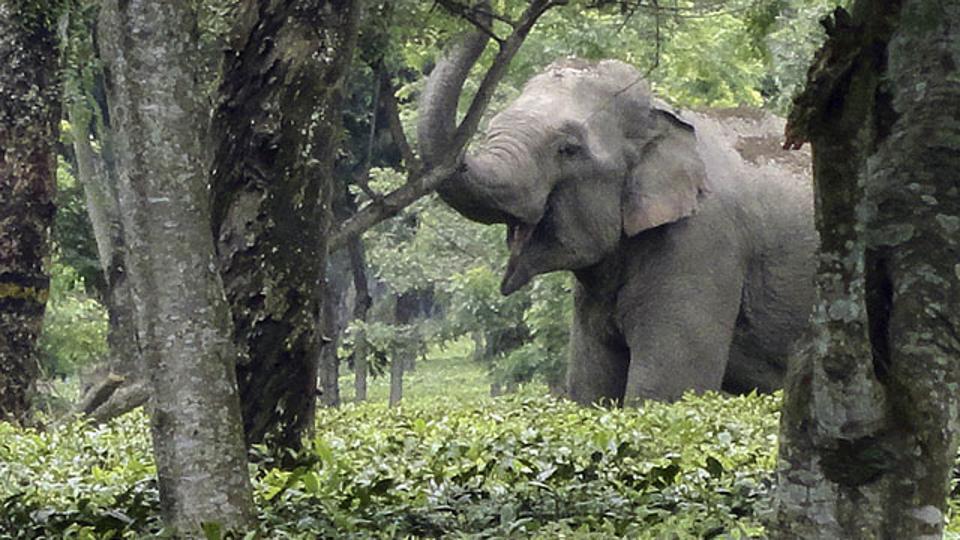
Principal chief conservator of forests (wildlife) Susanta Nanda on Tuesday said Odisha has around 2,100 elephants, approximately 400 more than the space required to sustainably accommodate them.
“A study was earlier conducted by the elephant center of the Indian Institute of Science (IISc) in Bengaluru. Sustainably, 1,700 jumbos can safely be accommodated in Odisha forests without human-animal conflict. The overcrowding has led to ecological stress, with limited availability of food, water, and living space, which in turn reduces the elephants’ disease resistance and can lead to higher rates of bacterial infections, especially among young calves and juveniles,” Nanda said.
“Since we have over 2,100 elephants, we are witnessing a surge in human-animal conflicts as elephants encroach on human settlements in search of food and space. Around 1,700-1,800 elephants can at most be sustained and managed within the larger forested landscapes of Odisha with tolerable levels of elephant-human conflicts. Therefore, it becomes important to have a pragmatic vision for long-term conservation of elephants in the state considering this fact,” Nanda said.
To ease the situation, the government is exploring the possibility of relocating some elephants to Similipal sanctuary in Mayurbhanj district, which could provide additional protected habitat for a part of the elephant population. However, Nanda noted that the core population of 2,000-2,100 elephants will likely remain in Odisha.
Nanda said Odisha would conduct its own elephant census from November 14 to assess not only the resident elephant population, but also transient elephants from neighbouring states, such as Jharkhand and Chhattisgarh, which frequently wander into Odisha. The findings will help to better understand and manage Odisha’s elephant conservation challenges.
Odisha has been witnessing increasing levels of human-elephant conflict over the past three decades due to habitat loss and fragmentation of habitats by anthropogenic activities such as infrastructure projects, mining, expansion of roads, railway lines and electric lines and also biotic pressure from forest dependent communities. On an average, 83 elephants die annually due to various reasons such as disease, electrocution, train mishaps, poisoning, and hunting. The human elephant conflict in Odisha claims around 112 human lives annually.