E-Paper



In U.P, power pilferage & AC usage rocketing power demand at night
The nocturnal power load is attributed to the usage of air-conditioners in urban areas and power theft in several low-income localities.

 Prefer HTon Google


LUCKNOW As the sun goes down, the demand for power goes up in the state. Under the pressure of this meteoric increase, the state’s power infrastructure is crumbling, and as a consequence, residents are rendered sleepless nights due to power cuts.
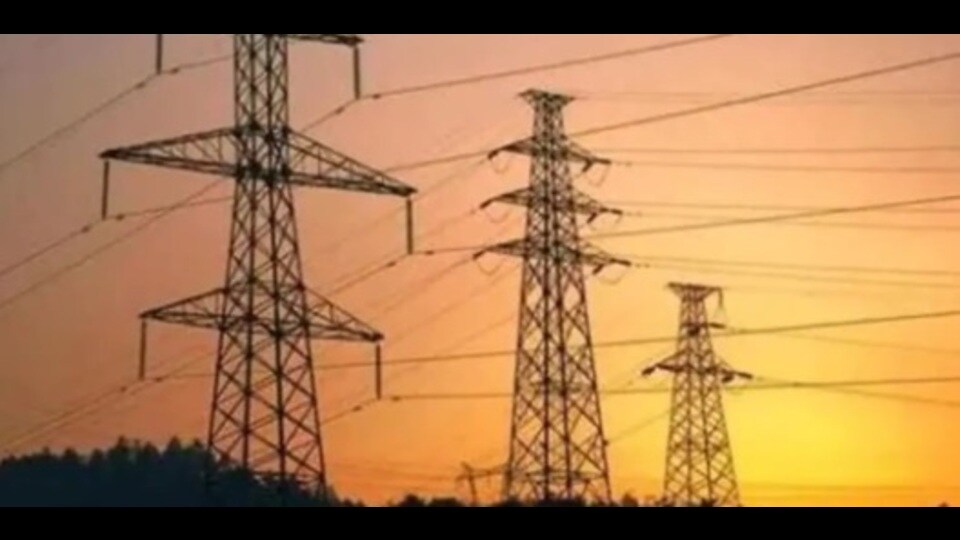
The nocturnal power load is attributed to the usage of air-conditioners in urban areas and power theft in several low-income localities. According to Uttar Pradesh Power Corporation Limited (UPPCL), many consumers use ‘katiya’ connections or by-pass their meters to run ACs and other appliances in the night, causing the demand to surge dramatically.
“We have found that the maximum power demand in the state is being recorded after 10.30 pm or so. This peak continues for hours,” said UPPCL chairman M Devraj. “We suspect much of this peak demand is due to unauthorised use of electricity by many consumers to run their cooling systems. This is why we have asked engineers to keep a watch and act against those indulging in pilferage,” he added.
The grid report sourced from the State Load Dispatch Centre shows a huge difference of around 10,000 MW in the minimum and the maximum power load. The lowest power demand on Tuesday, for example, was recorded to be only 18090 MW at 7.4 in the morning but at 11.33 in the night. The power load shot to the highest level at 27611 MW.
“During the last one week, we have noticed that the peak load is coming a bit late after 10.30 in the night unlike earlier when the peak would arrive after 8 pm,” said P Guruprasad, the managing director of U.P. Power Transmission Corporation Limited (UPPTCL). “What is even more surprising is that the night peak continues for a very long time till 4 or 5 in the morning,” he added.
Guruprasad also did not rule out the possibility of unauthorised use of power in the night being an important reason for the jump in demand. “The UPPCL chairman has instructed officials to study the reasons behind overloading in the sensitive areas,” another official said.
Energy minister AK Sharma has, in the meantime, urged consumers to save electricity using it in a controlled manner. “The demand and consumption of electricity is increasing every hour due to intense heat. Energy saving and its controlled use is requested,” he said in a tweet on Wednesday.
DOMESTIC CONSUMERS ACCOUNT FOR 63% OF TOTAL LOAD
It may be pointed out that residential or domestic consumers have the highest power load in Uttar Pradesh. As per the data submitted by the UPPCL to the U.P. Electricity Regulatory Commission (UPERC), in its last annual revenue requirement proposal (ARR), domestic consumers account for more than 88% of the total around 3.58 crore consumers in Uttar Pradesh.
Domestic consumers also use 63.68% of the total connected power load (4,6918138 KW) in the state, consuming 46.76% of the total energy (1,14,668 MUs) in a year. Their share in the revenue generation for the UPPCL is, however, relatively low at 42%.