
 E-Paper



Rajasthan HC expresses concern over growing drug trade; questions Centre, states
Taking suo motu cognizance, the court underscored the prevalence of cases where substantial quantities of tablets with psychotropic substances are seized, leading to arrests


Expressing grave concerns over the flourishing illegal drug trade, particularly the widespread sale of tablets and syrups containing psychotropic substances, and its alarming impact on the youth, the Rajasthan high court has issued notices to both the central and state governments, posing critical questions aimed at addressing the root causes of this pervasive issue.
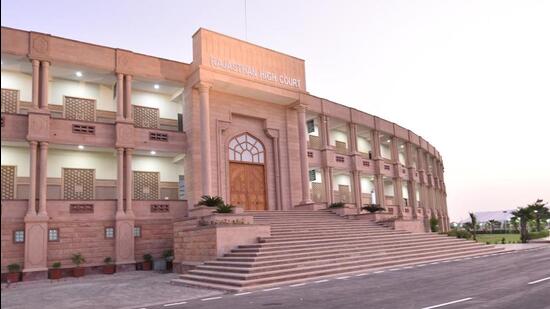
A single bench presided by justice Farjand Ali deferred the hearing on a bail application for an accused involved in a case related to the recovery of a commercial quantity of medicinal drugs and posted the matter for the next hearing on 22nd January.
Taking suo motu cognizance, the court underscored the prevalence of cases where substantial quantities of tablets with psychotropic substances are seized, leading to arrests. However, the court expressed dissatisfaction with the current investigative process, which often fails to trace the origin of this social menace.
Noting that the court has come across numerous cases wherein huge numbers of tablets containing psychotropic substances have been seized, the court emphasized that investigations often stop at apprehending the accused transporting the tablets or from whom the tablets have been recovered, without delving deeper into the intricate network of illegal drug distribution.
Justice Ali pointed out a concerning pattern in the pharmaceutical sector, stating, “The chemists, apothecaries, and medical store owners are keeping large quantities of tablets like tramadol, alprazolam, codeine phosphate syrup, etc., stored, which, on the face of it, do not seem to be proportionate to the requirement of the population of the particular city they are catering to.”
Expressing apprehension over the escalating impact on society, especially the youth, the court raised fundamental questions: “Is there any mechanism in place to control the undemanded production, and manufacturing of tablets and syrups containing psychotropic substances, or substances of like nature?” The court also questioned the regulation of the distribution or circulation of these substances to dealers, distributors, or retail pharmacists.
Justice Ali stressed the urgency of addressing the issue comprehensively, stating, “The consumption of such illegal drugs and tablets and pills containing psychotropic substances or substances of like nature has become a run-of-the-mill thing nowadays and it impacts the happiness index of the society as a whole.”
To ensure a thorough examination of the issue, the court directed deputy solicitor general Mukesh Rajpurohit and additional advocate general MA Siddiqui to accept the notices and file detailed replies and suggestions on behalf of the central and state governments, respectively.
Also Read: Ludhiana: Drug racket kingpin held, aides at large
The court delved into potential scenarios contributing to the problem, categorising them into three types– licensed manufacturers showing lesser quantities than actually manufactured and engaging in unauthorised transactions, licensed manufacturers misleading authorities by producing psychotropic substances, and unlicensed manufacturers illegally manufacturing these substances.
The court’s observations extended to the need for specific mechanisms to curb the unaccounted quantities of tablets stored by drug dealers. It raised questions about preventing the sale of tablets without prescriptions and proposed innovative solutions, such as the development of a software system for online prescription uploads accessible to drugstores.
The high court urged authorities to provide insights into their efforts to combat the unlawful production, sale, and distribution of tablets and syrups containing psychotropic substances. It further emphasized the need for a comprehensive strategy to tackle the issue’s root causes, addressing not only the immediate consequences but also the broader societal implications.


