E-Paper



School reopens in Odisha 34 days after primary student’s death
Officials said the school had to be reopened as students were unable to appear for their examinations due to the prolonged closure

 Prefer HTon Google


Caste-related tensions between upper and lower caste people in a village of Odisha’s Nayagarh district kept a government primary school shut for more than a month after the death of a Class V student, with the district administration finally reopening the campus on Monday amid heavy police deployment.
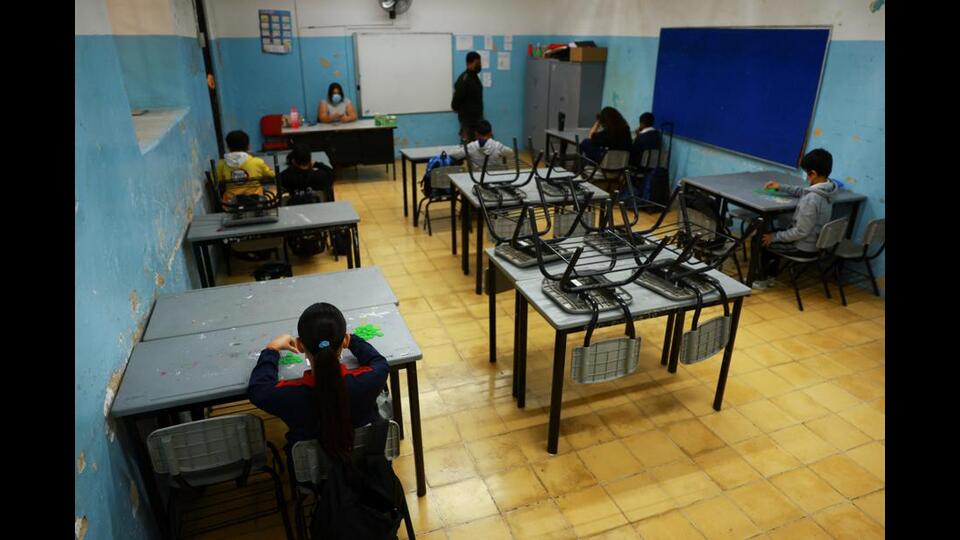
The Belpada Patana Primary School under Gania block of Nayagarh district had remained locked for 34 days after the death of Bholanath Nayak, a Class V student, triggering protests by his family members and villagers. The situation was further complicated by a dispute between upper-caste and lower-caste groups over whether the school should be reopened for examinations.
On Monday morning, Nayagarh Collector Madhumita Rath and Additional SP Subas Panda reached the village with two platoons of police personnel and reopened the school. Police also detained 13 people, including the parents of the deceased student, who were opposing the move.
Officials said the school had to be reopened as students were unable to appear for their examinations due to the prolonged closure.
On February 3, Bholanath Nayak, a Class V student of the school, went missing shortly after having the mid-day meal. He had told others that he was going to the toilet but did not return. The next day his body was recovered from an abandoned well near the school premises.
Following the incident, the student’s family members and villagers locked the school, alleging negligence by the school authorities and demanding action against those responsible. Subsequently, two women teachers were suspended on charges of negligence in duty.
The family of the deceased student however staged a protest outside the District Collector’s office, demanding the arrest of the suspended teachers.
Though the boy’s family alleged that it was a case of murder, police investigations later ruled it out. “It was a case of accidental drowning. The PM report has also made it clear. The child most likely fell into the well while going to toilet,” said Tankadhar Chhatria, investigating officer of the case.
Meanwhile, the issue took a caste turn as sections of the upper-caste community demanded that the school be reopened so that children could attend classes and sit for their examinations. The group staged a protest outside the Nayagarh Zilla Parishad office, briefly detaining the Collector, the Kandhamal MP, and several district-level officials during the agitation.
With the school remaining shut, students had to appear for their annual examinations at other schools under police protection.
On Monday, as part of the administration’s decision to restore normalcy, officials removed the locks and reopened the school in the presence of senior administrative and police officers, including the District Education Officer.
Police said a parents’ and villagers’ committee had been involved in locking the school and organising the protest. To prevent further disruption, authorities detained several persons and kept them at the local police station.
Police officials said they are closely monitoring the situation in Belpada village to ensure that law and order is maintained.