The reworked police manual, a three-volume document, which promises to be much more exhaustive than its previous editions, is awaiting a nod from the state government, according to Subodh Jaiswal, director-general of police (DGP), Maharashtra.
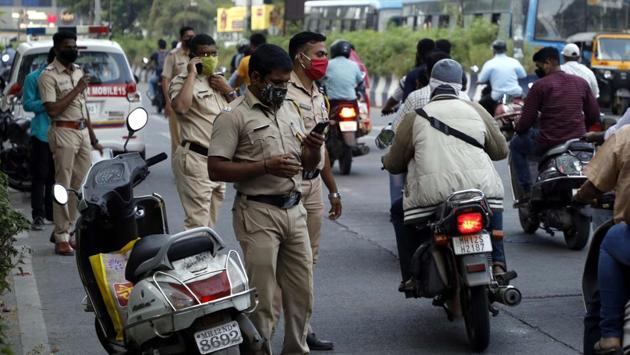
Maharashtra Police Manual deals with three broad categories of police work. The first volume deals with the administration of police force, the second maps out finance, supplies and office procedure, and the third define powers and duties of the police.
The new police manual will have detailed protocols for dealing with victims and survivors of crimes against women. This is something that has not found a place in the official state police manual till date.
With the changing nature of crime and community, the changed manual - if the officers involved are to be believed - will potentially bring about a change in the relationship with the police and the people they are sworn to protect.
{{/usCountry}}With the changing nature of crime and community, the changed manual - if the officers involved are to be believed - will potentially bring about a change in the relationship with the police and the people they are sworn to protect.
{{/usCountry}}The manual was first published in 1959 under the title Bombay Police Manual.
He said that a team led by Maharashtra Police Academy (MPA) director Aswati Dorje and former additional director general (ADG) training Sanjay Saxena was created to undertake the task. “The team wrote to the government which in-turn created a team of deputy secretaries - law, home, general administration department (GAD) - to gauge the potential of the proposal the police officers had made,” according to Jaiswal.
“It was a year-long effort by various teams. The intensive work went on for about six months. We worked through holidays and weekends to make it happen as various documents were needed to be referred to,” said Dorje.
“The manual requires to be based on the laws, rules, procedures, orders, circulars, guidelines from the government, manuals of other organisations and states, all of which required massive referencing and compilation of material. We made smaller teams to work on each of the three volumes and consulted with government functionaries, senior officers handling the particular specialised branches, lawyers and experts in each of the topics,” she said.