
 E-Paper



13 regional ward committee presidents elected unopposed
BJP won 12 out of 13 unopposed ward elections in Pune; Congress secured 1. NCP, despite being second-largest, gained no seats amid structural changes.

 Prefer HTon Google


Officials said that 13 out of 15 ward office committee presidents were elected unopposed. Elections for the remaining two wards will take place on Monday.
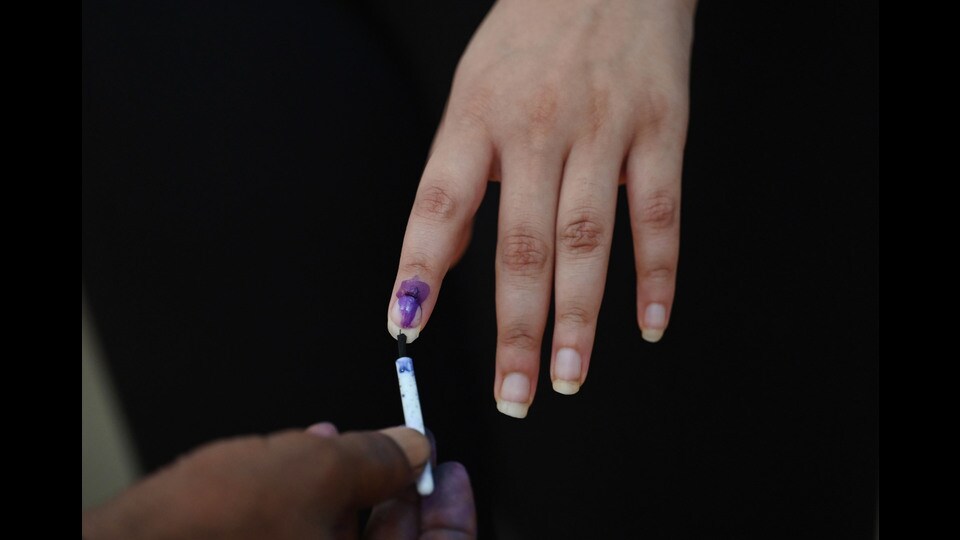
Out of 13, the Bharatiya Janata Party (BJP) was elected unopposed on 12 wards, and Congress won one. Now, the election will be held at the Yerwada and Dhole Patil regional ward offices.
Although the Nationalist Congress Party (NCP) is the second-largest party in the Pune Municipal Corporation (PMC), it did not get a single seat on the regional ward office committees.
The BJP made changes to the regional ward office structures, and the NCP had opposed them. It blamed the ruling BJP for making such changes because the NCP would not be able to secure any posts.
Recently, the deputy chief minister Sunetra Pawar objected to the changes in the regional ward office structure and wrote a letter to the Chief Minister Devendra Fadnavis. The chief minister wrote a letter to the municipal administration and asked for clarification.Now, the BJP offered to give one post for the NCP from their quota.
Opposition leader Nilesh Nikam, who earlier objected to the restructuring of the ward structure, said, “The ruling party made these changes to the regional ward office structures for political gains, which is why we opposed it.”


