
 E-Paper



Agriculture min warns farmers of curtailed water supply
Munde was talking about future courses in case of water shortage as he attended a rabbi crop review meeting at Sakhal Sankul in the city


PUNE
With inconsistent rains and less water in dam storage as compared to last year, Maharashtra agriculture minister Dhanjay Munde stated on Tuesday that it is not viable to use dam water for agricultural purposes in several regions during the summer.
Munde was talking about future courses in case of water shortage as he attended a rabbi crop review meeting at Sakhal Sankul in the city. The conference was attended by Maharashtra agriculture secretary Anup Kumar, agriculture commissioner Sunil Chavan, cooperative commissioner Anil Kawade, and all government officers from agriculture and associated departments.
Munde said, “This year, many parts of Maharashtra have received below-par rains. Even dam storage in many parts of the state is critical. It is looking difficult to give water during the summer. By considering that the administration should convert the crop pattern in such areas during rabbi and prefer to plant fodder as cattle would not have a problem.”
He said, “Maharashtra was leading in food grains and cereals earlier but now we were lacking in it. Now that citizens have realised the importance of bajra, jowar, and other millets, we need to create awareness amongst farmers about the demand for it and promote it.”
Munde informed the agricultural department of the importance of millets. The agriculture department must develop a millet brand and promote it online, as well as encourage farmers to engage in millet e-commerce.
Agriculture secretary Anup Kumar said, “The farmers are not getting enough rate for their produce. There is a disparity between the rates paid to farmers and the rates paid to consumers. On the one hand, farmers are getting lower rates, while consumers are paying more. We need to close this gap, and the profit should go straight to the farmers.”
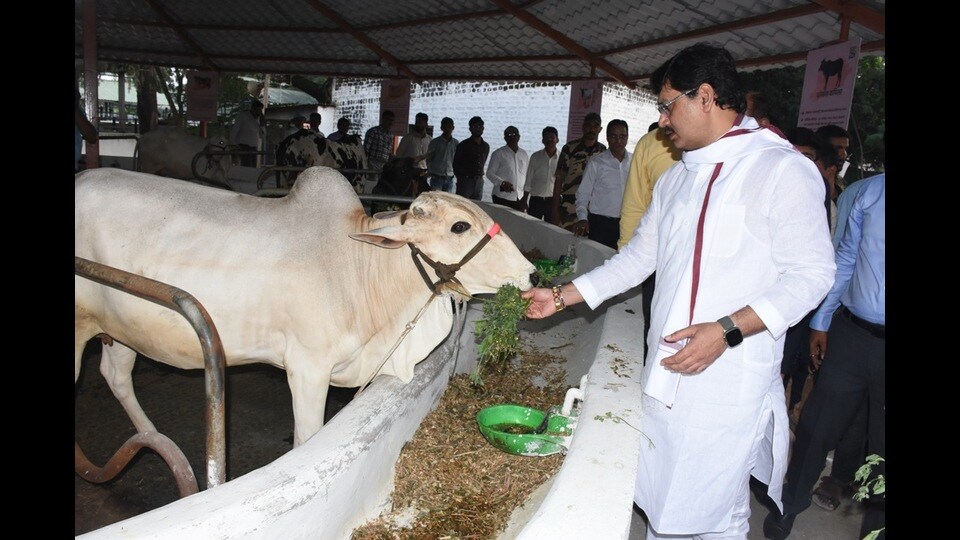
Later Munde visited the Pune Agriculture College and visited the domestic cow breeding programme where scientific efforts are being made to promote domestic breeds of cow.


