Due to a growing number of electric vehicles (EVs) in the city, EV battery waste is increasingly joining the ranks of electronic waste (e-waste) apart from mobiles, laptops, computers and other electronics. According to experts, a circular economy or extended producers’ responsibility (EPR) might emerge as options for the disposal of EV battery waste however policies in this regard would be decided by the central government.
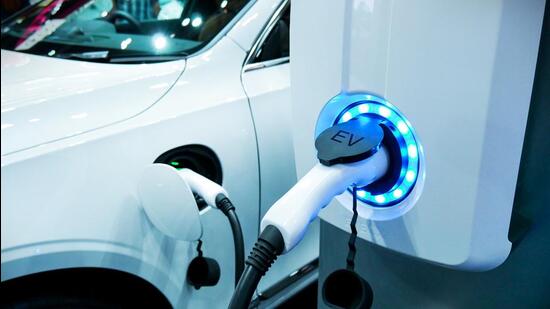
Mangesh Dighe, environment officer of the Pune Municipal Corporation (PMC), said that currently, EV batteries have a lifespan of five to six years but this might increase with the march of technology. While there is no concrete plan for the disposal of EV battery waste at the PMC level, a circular economy and EPR (currently being used for plastic waste) might emerge as options at the central level. Under the EPR pattern, EV battery waste becomes the manufacturers’ responsibility wherein manufacturers might deploy new technologies for the batteries to be reused. Whereas in a circular economy, the EV batteries might be used for various purposes.
According to Harshad Barde, director, SWaCH, the ‘use and throw pattern’ might contribute to the generation of more e-waste wherein things that are not only old/not in use are dumped as waste but even things that are relatively new/still in use are thrown by citizens.
“We at SWaCH implement a waste collection drive called ‘V collect’ through which, waste including e-waste is collected. It is later segregated at our facilities and the e-waste is handed over to Maharashtra Pollution Control Board (MPCB)-registered recyclers,” said Barde.
{{/usCountry}}“We at SWaCH implement a waste collection drive called ‘V collect’ through which, waste including e-waste is collected. It is later segregated at our facilities and the e-waste is handed over to Maharashtra Pollution Control Board (MPCB)-registered recyclers,” said Barde.
{{/usCountry}}“In recent years, we have been experiencing a growing trend in e-waste generation. In 2022, the e-waste collection was relatively less but the amount of e-waste collected till July 2023 is nearly half of that collected in 2022. The quantity is expected to rise further as the drive will be strengthened post the festive season,” Barde said.