
 E-Paper



Covid’s JN.1 variant causes mild infection: Study
Of the patients covered, 91% were in home isolation and only 9% required hospitalisation. The patients had symptomatic disease (92%) with mild symptoms, with fever (100%), followed by cough (90%), and rhinorrhoea (20%)

 Prefer HTon Google


India has witnessed a surge in Covid-19 cases in the past couple of months and recent concerns have surfaced due to a spike in cases of patients infected with JN.1, an Omicron sub-lineage. Maharashtra, in three weeks, has reported 139 cases of JN.1 infection, including 91 reported from Pune district.
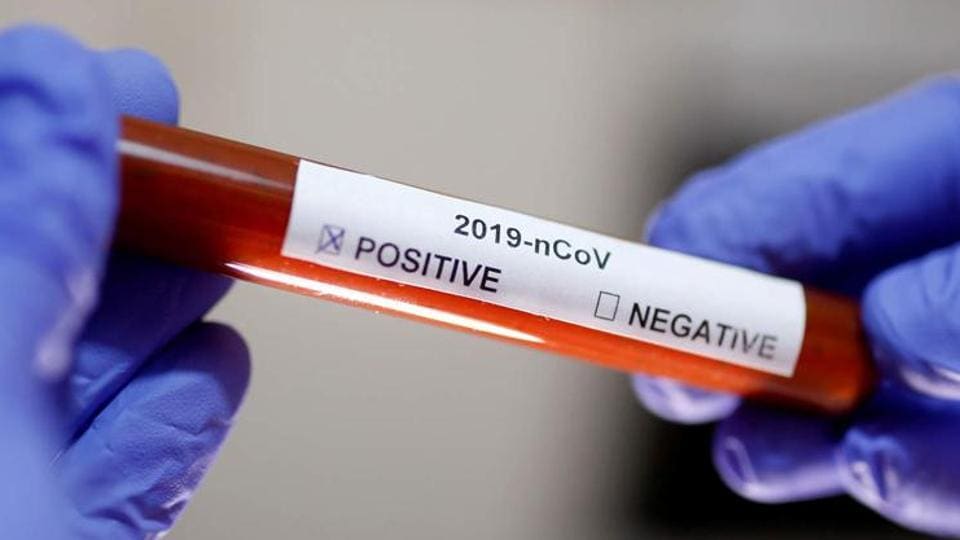
A recent study conducted by doctors and researchers at BJ Medical College (BJMC) on patients has found that the infection caused by the strain is mild.
The study conducted by Dr Rajesh Karyakarte, head, microbiology department, BJ Medical College; Dr Rashmita Das, Dr Sonali Dudhate, Dr Mansi V Rajmane and Dr Safanah Nizarudeen of BJMC and Sassoon General Hospital (SGH) was submitted to the state government on Monday.
The two-week statewide study covered 112 JN.1 infected Covid patients.
Dr Karyakarte, state coordinator for genome sequencing and member of state Covid-19 task force, said, “The patient’s age, sex, residence, contact number and date of samples collected and tested were collected from state authorities. Patients unwilling to share their clinical history during the interview were documented and excluded from the study. Telephonic interviews with each patient were done to get their clinical details regarding the presence of symptoms, time of acute infection, isolation required, hospitalisation, treatment, oxygen requirement and vaccination status.”
The patients included an equal number of males and females. Most infection (85%) was found in patients aged between 21-30 years and above 60 years of age. All patients had mild symptoms and were in home isolation. Only 10 patients were hospitalised.
As per the study, of the 10 hospitalised patients, six required oxygen support and one required ventilator support. In the past three weeks, of the 112 patients infected with JN.1, one patient aged above 60 years died and was a known case of HIV infection with other underlying health conditions. However, all 112 patients had completed at least two doses of Covid-19 vaccine.
Of the patients covered, 91% were in home isolation and only 9% required hospitalisation. The patients had symptomatic disease (92%) with mild symptoms, with fever (100%), followed by cough (90%), and rhinorrhoea (20%). Symptoms like body ache, sore throat, headache and fatigue were found in around 20% of patients.
Dr Karyakarte, said, “The JN.1 infection is mild and severe symptoms were reported in few patients. Most of the patients recovered without hospitalisation. Mortality amongst the patients infected with the new sub-lineage of omicron is negligible. However, high-risk people will remain vulnerable to severe infection and should take precautions and get booster doses for Covid.”
The World Health Organisation (WHO) has classified JN.1 as a “variant of interest” (VOI), distinct from the parent lineage BA.2.86. The US Centers for Disease Control (CDC) has termed it the fastest growing variant in that country.


