
 E-Paper



Credit-point push fails to bring doctors to rural and tribal camps; specialist care gap persists
Maharashtra's initiative to incentivize doctors for rural service has faltered, leaving many in remote areas dependent on strained public health services.

 Prefer HTon Google


In remote villages and tribal pockets across Maharashtra, access to specialist doctors remains limited. A recent incentive by the Maharashtra Medical Council (MMC) aimed at bridging this gap has failed to gain traction, leaving thousands reliant on overstretched public health services, officials said.
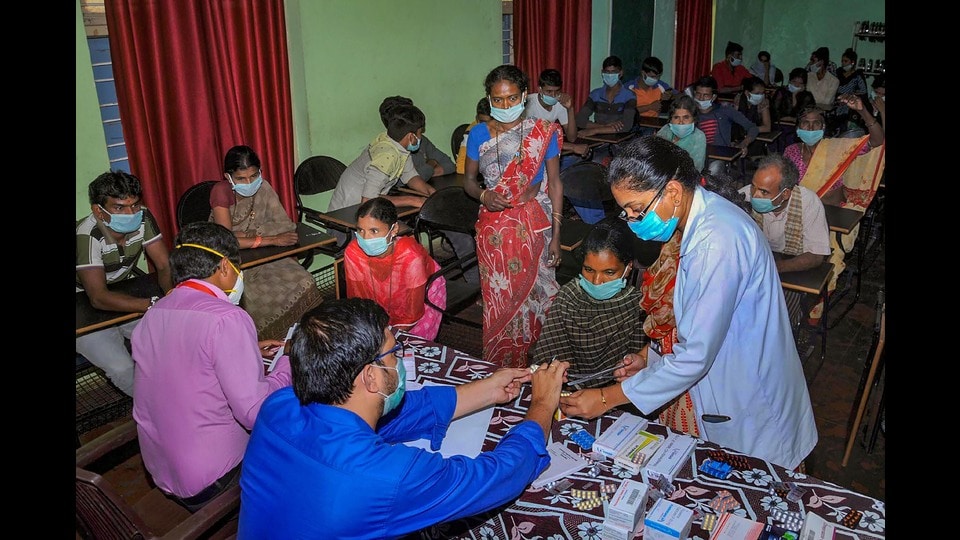
In November 2025, the MMC introduced a first-of-its-kind initiative offering credit points to registered medical practitioners who participate in free medical and surgical camps organised by hospitals, medical colleges, and charitable groups in urban, rural, and tribal areas. The move was intended to encourage doctors to extend services beyond cities.
Organisations must be accredited with the MMC to conduct such camps. While over 550 institutes are accredited, only a handful of camps have been held in rural and tribal areas in the past five months, officials said.
Dr Vinky Rughwani, MMC administrator, said response from hospitals, medical colleges, and charitable organisations has been poor. “Awareness about the scheme is still low, and we expected more participation in the coming days,” he said.
Under the initiative, host institutions must ensure post-operative care at registered medical facilities. Doctors earn one credit point for three hours of free service. As part of the Continuing Professional Development programme, practitioners must earn at least 30 credit points every five years to renew registration. However, most continue to prefer conventional routes such as CME seminars, research publications, and academic activities.
Dr Rughwani said the council plans to step up awareness efforts. “As the initiative is new, compulsion cannot be made. However, we are working on other options to make some points out of the 30 credit points required by RMP’s for renewal, as part of the credit points earned through free medical and surgical camps in urban, rural and tribal areas,” he said.
Dr Sanjay Patil, national secretary of the Hospital Board of India, said post-camp reporting requirements add to the administrative burden.
“Registered medical practitioners prefer existing options. This is not a single avenue but just one of the ways to earn credit points. Coordination between hospitals and the Maharashtra Medical Council appears to be lacking, and the council does not have adequate staff to verify the camps,” he said.
For residents in rural and tribal areas, the shortfall persists. Many continue to travel long distances or rely on overcrowded government hospitals for specialist care.
Health activist Dr Sanjay Dabhade said systemic issues need urgent attention. “The resources at government healthcare facilities and medical colleges are limited, and they have a huge load of patients to cater to. The government-run primary and secondary healthcare facilities should identify more patients in need of advanced care and refer them to medical colleges and tertiary care public healthcare facilities,” he said.


