
 E-Paper



IISER Pune scientists decode how plants heal themselves
The IISER Pune team found that plants respond to the stress by activating autophagy, a process often described as the cell’s “clean-up crew”

 Prefer HTon Google


A small piece of a plant can regrow into a whole one. But what actually happens inside a plant when it is cut? Researchers at Indian Institutes of Science Education and Research (IISER) Pune have now uncovered how they survive injury and regrow.
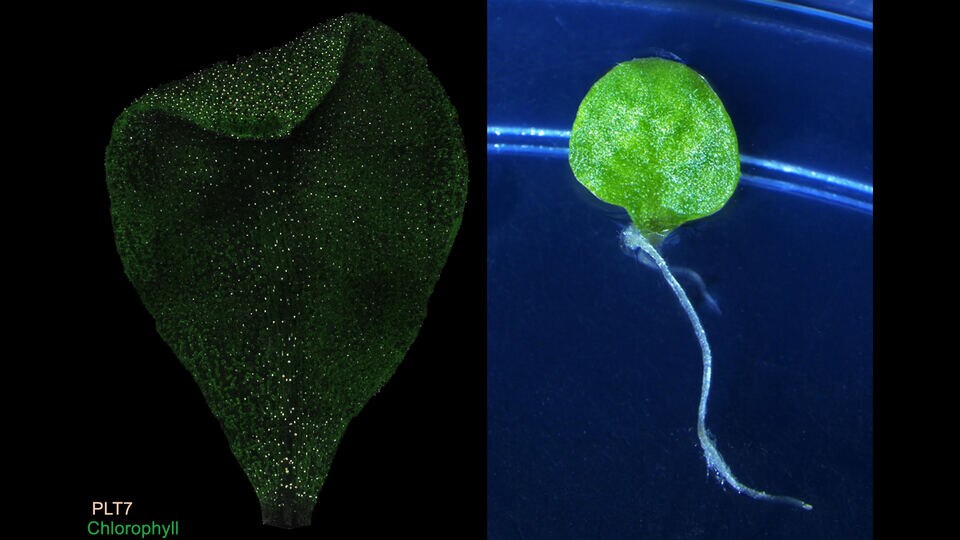
In a study published on February 2 in the international journal Proceedings of the National Academy of Sciences (PNAS), Prof Kalika Prasad and his team have identified a cellular repair system that allows plants to heal wounds and regenerate.
When a plant is cut whether it is a leaf, stem or root its cells immediately experience stress. This stress shows up as a sudden increase in reactive oxygen species (ROS), small but highly reactive molecules that can damage cells if they accumulate. In high amounts, ROS can be harmful, but in controlled levels, they also act as early alarm signals that tell the plant a wound has occurred.
The IISER Pune team found that plants respond to the stress by activating autophagy, a process often described as the cell’s “clean-up crew”. Autophagy removes damaged cell parts and worn-out organelles that pile up after injury. By clearing this cellular waste, autophagy helps bring ROS levels back to a healthy range, preventing further damage.
Crucially, the researchers discovered that this clean-up process is not random. A specific set of autophagy-related genes named ATG8F and ATG8H play a key role in root regeneration from cut leaf ends. These genes are controlled by PLETHORA proteins, which are unique to plants and act as master regulators during growth and development.
The team inferred that the autophagy clean-up process helps bring cellular stress (ROS levels) down to a healthy level. Once cellular stress is under control, the levels of stem cell regulators increase at the wound site, allowing the plant to heal and regenerate new organs.
The study shows that PLETHORA proteins switch on autophagy at the right place and time, ensuring that stress is controlled before regeneration begins. Once the cellular environment stabilises, stem-cell regulators become active at the wound site, allowing new roots and tissues to form.
“What is striking is that plants and animals share a common early response to injury, a burst of ROS followed by autophagy,” Prof Prasad explained. “But plants add their own twist by using PLETHORA proteins to precisely guide this process, enabling successful regeneration.”
“When a plant is cut, its cells go into stress and harmful molecules rise sharply. Plants respond by switching on a clean-up system inside their cells, which removes the damage and brings stress back to a safe level. Once this balance is restored, the plant can activate growth signals and start forming new roots and tissues at the injured site,” said Prasad.
The research was led by PhD scholar Akansha Ganguly, along with undergraduate students at IISER Pune, and involved collaborators from the Netherlands, China and Germany.
The work was supported by national funding agencies, including the department of biotechnology and the Anusandhan National Research Foundation.
Beyond explaining a long observed natural phenomenon, the findings could have practical implications. A deeper understanding of how plants control stress and regenerate may help improve vegetative propagation, crop recovery after damage, and plant resilience in changing environmental conditions.
If affected plants do not regenerate, they cannot grow, and some important species may be lost. By understanding how stress can be optimised and how regeneration can be improved, this work can indirectly contribute to dealing with climate change by supporting better plant growth and survival.


