
 E-Paper



In 2025, Pune fire dept. recorded highest number of bird & animal rescue calls in over a decade
The surge in such calls highlights a troubling trend that has only intensified over the past few years, particularly during festivals associated with kite flying such as Makar Sankranti. Birds remain the worst affected, though many cases involving small mammals have also been reported.


PUNE: The number of bird- and animal- rescue calls recorded by the Pune fire department in 2025 is the highest in over a decade since 2014, leading to concerns over the continued use of ‘banned’ nylon kite strings commonly known as nylon manja. As per data, the department responded to as many as 1,110 wildlife-related rescue calls last year - the highest figure since 2014 - with nearly 90% of these emergencies/injuries caused by nylon manja.
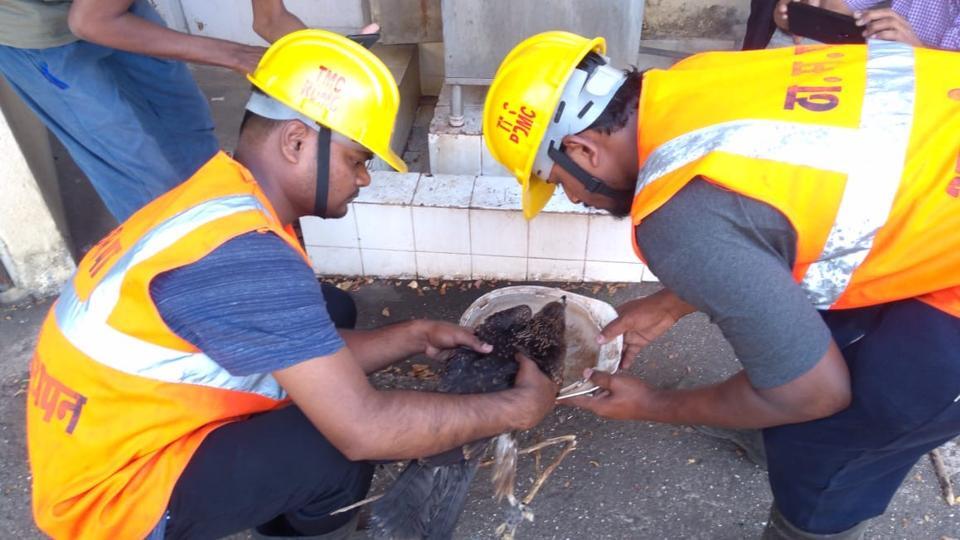
The surge in such calls highlights a troubling trend that has only intensified over the past few years, particularly during festivals associated with kite flying such as Makar Sankranti. Birds remain the worst affected, though many cases involving small mammals have also been reported.
Pune fire department records show that wildlife-related rescue calls had dropped to their lowest point in 2015 when only 215 such emergencies were recorded. Since then, the numbers have steadily risen, reflecting both increased urban pressures on wildlife and the persistent circulation of banned kite strings despite repeated enforcement drives and public awareness campaigns.
Vijay Bhilare, senior officer with the Pune fire department, said, “The majority of calls we receive involve birds that are either entangled in nylon manja or have suffered deep cuts to their wings, necks or legs. Injured birds are taken to treatment centres for necessary medical care. Some are handed over to bird lovers or conservators for primary care, and most are released back into the wild once they are declared fit to fly.”
Bhilare said that while it is difficult to pinpoint any one reason behind the sharp rise in rescue calls, incidents involving manja entanglement have clearly increased across the city. “This puts sustained pressure on our emergency response teams, especially during peak kite-flying periods,” he said.
This year in January alone, the department received 118 calls related to bird rescue; all of which concerned nylon manja injuries. Department officials said that they will continue to coordinate with NGOs and the forest department to respond to emergencies, but stressed that prevention is the key. “Rescue is only a response to the damage already done. Unless the use of nylon manja stops, these numbers are unlikely to come down,” an official said on condition of anonymity.
Meanwhile, Pune-based NGO, RESQ Charitable Trust, which works closely with the forest department on wildlife rescue and rehabilitation, shared that a total of 1,074 animals (1,019 birds and 55 mammals) were admitted to its facility in January 2025 for manja-related injuries. While the numbers for January 2026 are lower thus far, the trend remains worrying given that up to January 20 this year, RESQ has already admitted 260 animals — 256 birds and four mammals — for similar injuries. By comparison, January 2024 saw 356 manja-related admissions.
RESQ officials said that most of the injuries that they encounter involve deep lacerations caused by sharp, often glass-coated kite strings. “These cuts frequently lead to excessive bleeding, infections and in many cases, permanent disability,” a statement issued by RESQ read. Birds with severe wing damage are often left unable to fly, drastically reducing their chances of survival in the wild.
Tuhin Satarkar, director of wildlife management, RESQ Charitable Trust, said, “Kite flying is a joyful tradition, but nylon manja turns it into a serious hazard for both birds and people. These strings cut like blades and persist in the environment. Our wildlife transit treatment centres in Pune and Nashik admit well over a thousand affected birds and animals every year, many with irreversible wing or limb damage.”
What’s more, the danger posed by nylon manja extends well beyond the days when kites are actively flown. Unlike traditional cotton string, nylon manja does not biodegrade easily and can remain caught in trees, electric lines and buildings for months. As a result, birds and animals continue to get injured long after the kite flying festivals end.
Satarkar emphasised that safer alternatives are readily available. “If people make a conscious shift to cotton manja, which flies just as well, breaks easily, biodegrades, and does not inflict the same level of harm, it could make a world of difference,” he said. He also urged buyers to perform simple checks such as a burn test to ensure that the string they purchase is cotton and not synthetic.


