
 E-Paper



Kharif sowing picks up across Maharashtra after July rains
This marks a sharp turnaround from mid-June when Kharif sowing was limited to just 1.43 lakh hectares due to a weak monsoon. However, the current pace still falls behind last year when nearly 85% of the sowing had been completed by the same time.

 Prefer HTon Google


Pune:
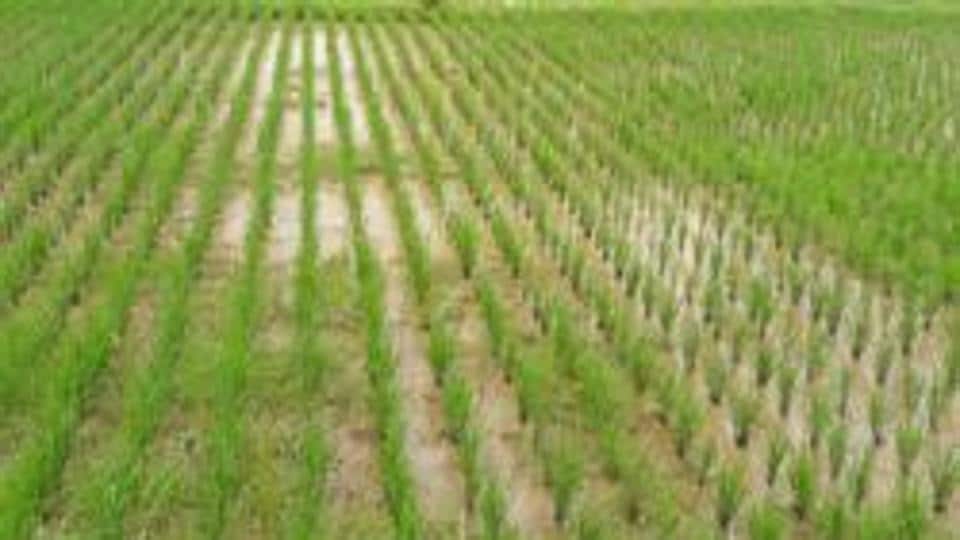
Kharif sowing in Maharashtra has gathered pace after widespread rainfall in July, with cultivation covering 1.03 crore hectares or 71% of the state’s average Kharif-cultivable area of 1.44 crore hectares, according to the state agriculture department. This marks a sharp turnaround from mid-June when Kharif sowing was limited to just 1.43 lakh hectares due to a weak monsoon. However, the current pace still falls behind last year when nearly 85% of the sowing had been completed by the same time.
State agriculture minister Dattatray Bharne said that the situation has significantly improved owing to widespread rainfall since the first week of July. “Rainfall in June was far below normal, severely affecting sowing. Fortunately, good rains since early July have helped farmers speed up cultivation. A few districts are still lagging behind but if rainfall continues this month, they should also be able to catch up,” Bharne told Hindustan Times.
He said that senior department officials and district agriculture officers are monitoring the situation daily.
Agriculture department officials said that Maharashtra normally receives about 207 mm of rainfall in June but this year recorded only 125 mm, delaying sowing operations. By contrast, the state has received about 210 mm of rainfall so far in July, which is nearly 23% above normal for the period, helping farmers make rapid progress.
Among major crops, maize has been sown on 9.58 lakh hectares, which is about 3% higher than the normal area. Tur has been sown on 9.6 lakh hectares, which is 75% of its normal area. Mung and urad have been sown on 1.11 lakh hectares and 1.33 lakh hectares, respectively, representing about 37% of their normal cultivation area. Despite the overall improvement, Pune, Solapur and Nandurbar remain among the districts with less than 50% of sowing due to inadequate rainfall earlier in the season.
A senior agriculture department official said, “So far, sowing has been completed on about 35% of the 2.02 lakh hectares in Pune district, 42% of the 2.72 lakh hectares in Nandurbar, and 34% of the 3.37 lakh hectares in Solapur.”
The first half of August will be crucial for crop growth.
“If there is a prolonged dry spell during the first 10 to 15 days of August, it could adversely affect crop development,” the official said.
Pune district superintendent agriculture officer Sanjay Kachole said sowing in Pune district has accelerated after improved rainfall in July.
“More than 60,000 hectares in Pune are under paddy cultivation. Farmers are currently transplanting paddy saplings from nurseries to their fields. Once this process is completed, the district’s sowing figures will rise substantially,” Kachole said.


