
 E-Paper



Maha to make biometric attendance mandatory for healthcare staff
According to officials, the move comes amid frequent complaints about doctors and hospital staff being absent from duty at government hospitals

 Prefer HTon Google


Amid complaints about the unavailability of doctors and hospital staff during duty hours, the Maharashtra public health department has announced that biometric attendance will be made mandatory for all medical officers and staff starting April 1, 2025, officials said.
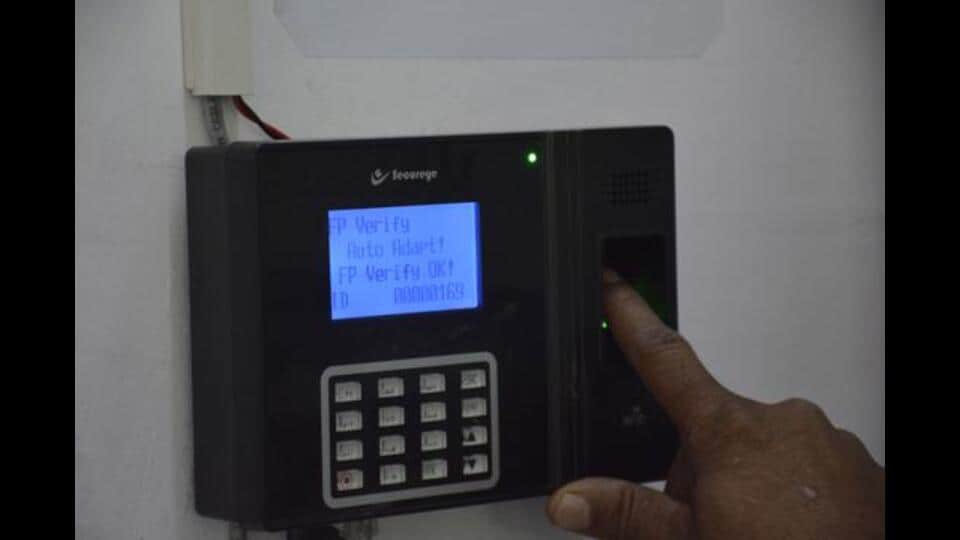
A circular was issued by the health department on March 5, 2025, stating that from April 1, salaries will be disbursed strictly based on biometric or face-reading attendance. If any salary payments are made without following this system, the concerned accounts officer and drawing and disbursing officer will be held responsible and the amount will be recovered from them, read the order, a copy of which has been seen by Hindustan Times.
According to officials, the move comes amid frequent complaints about doctors and hospital staff being absent from duty at government hospitals. The reasons behind this include shortage of staff, high patient load, and government doctors engaging in private practice during duty hours.
Health commissioner Amgothu Shri Ranga Nayak, stated in the order issued to all deputy directors, district health officers and civil surgeons that the public health department has already introduced a biometric system for tracking attendance. However, it has been observed that many doctors and staff members have not yet registered on the biometric portal.
“All medical officers and staff must complete their online biometric registration on the official portal by March 31, 2025. An online training workshop on the face-reading and biometric attendance system will be conducted by the IT department on March 7, 2025,” the health commissioner said.
Dr Nagnath Yempalay, district civil surgeon, Pune district, informed that there has been a problem of unavailability of doctors and staff in rural and tribal parts of the state which leads to hardship for patients. “The move will help cut down morbidity and mortality amongst patients through the availability of timely treatment. However, an association of healthcare staff and doctors is opposing the move,” he said.
Dr Yempalay further said that the primary health centre should have a doctor available round-the-clock and one centre currently has two doctors. Also, there should be a doctor present at all times in rural hospitals however one rural hospital has three doctors. “The association argues that this situation violates the Supreme Court’s directives as the working hours exceed eight. They are demanding that more doctors be appointed,” he said.


