
 E-Paper



MPCB to issue stricter guidelines for RMC plants across Maharashtra
According to the MPCB officials, Maharashtra has over 623 RMC plants, and the number continues to increase


All RMC plants to be fully covered with tin or similar structures to reduce dust emissions
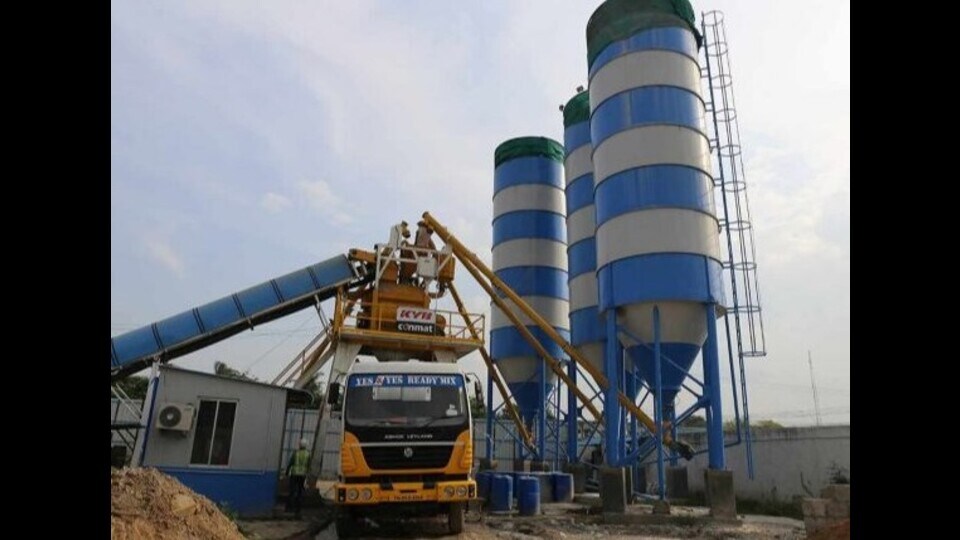
In a move to reduce air pollution levels linked to the construction industry, the Maharashtra Pollution Control Board (MPCB) is set to issue new state-wide guidelines for Ready Mix Concrete (RMC) plants next week, said the officials. These new guidelines come in response to the growing number of RMC plants and rising concerns over dust and pollution near residential and sensitive areas. Previously, some restricted norms were issued to the Mumbai Metropolitan Region (MMR) area in November 2024. However, with the worsening air quality in cities like Mumbai, Pune, and Nagpur, the board has decided to implement uniform guidelines across Maharashtra, said the officials.
According to the MPCB officials, Maharashtra has over 623 RMC plants, and the number continues to increase. Urbanisation, especially in cities like Mumbai, Pune, and Nagpur, has resulted in the widespread setting up of RMC plants, many of which allegedly operate close to schools, hospitals, and residential areas. The new guidelines aim to mitigate pollution, to protect public health in the surrounding areas, they said.
The guidelines outline new siting criteria for both commercial and captive RMC plants. New commercial RMC plants cannot be located within 200 meters of residential areas, except in notified MIDC areas and corporations in the MMR. In notified MIDC areas (excluding those in Mumbai and its suburbs), the buffer is reduced to 50 meters. Additionally, commercial plants cannot be located within 500 meters of schools, colleges, hospitals with more than 50 beds, or court complexes, they said.
For captive RMC plants, the minimum project area must be 20,000 sq. meters. These plants must also maintain a distance of at least 50 meters from human habitation and must be dismantled within one month of completing 70% of the construction project.
One of the most important requirements in the new guidelines is that all RMC plants, new and existing, must be fully covered from all sides using tin or similar material to prevent dust emissions. Existing plants will have three months to comply and have to submit a ₹10 lakh bank guarantee, which will be returned only after the pollution control board verifies that the necessary measures have been implemented. Any plans to expand will be treated as proposals for new units, read the new rules, a copy of which Hindustan Times has seen.
The guidelines also introduce strict pollution control norms, and all plants should have dust containment systems installed at all transfer points to curb air pollution. Water sprinkling or chemical dust stabilizers must be used on-site. The roads inside RMC plants must be cement-concrete or asphalt. Besides, fogging systems, tyre washing units, and air quality monitors (CAAQMS) must be in place.
A senior MPCB official, on request of anonymity, said the plants shall monitor ambient air quality at the plot boundary and ensure that limits for PM10 and PM2.5 do not exceed 100µg/m3 and 60µg/m3, respectively. “All vehicles must be cleaned before leaving the premises, and tree plantations along the site boundaries are mandatory. The dust from raw materials like cement and fly ash must be controlled using mechanical closed systems and dust collectors like multi-cyclones and bag filters,” he said.
To prevent water pollution, the wastewater from equipment and vehicle washing has to be collected and treated on-site. The treated water should be reused within the RMC plant for cleaning, sprinkling, or gardening. Also, no effluent discharge will be allowed outside the premises.
Similarly, to curb noise and solid waste management, the RMC plants must comply with noise regulations under the Noise Pollution (Regulation and Control) Rules, 2000. Solid waste like sludge and concrete debris must either be recycled or disposed of at designated municipal construction waste facilities, they said.
Speaking to the Hindustan Times, Chairman Siddhesh Kadam announced that the MPCM will implement new guidelines for Ready-Mix Concrete plants in the state starting next week.
“These guidelines aim to reduce the pollution caused by RMC plants. We conducted a series of meetings with stakeholders before finalising these guidelines. All stakeholders agreed to them, resulting in a win-win situation for the RMC plants, the Pollution Control Board, and the citizens. We worked to achieve a balance between development and environmental safety,” he stated.


