
 E-Paper



MPCB to monitor defunct STPs in large housing societies
It is mandatory for large housing societies with a built-up area of over 2 lakh square feet to have functional STPs, and use the treated water for non-potable purposes like irrigation, gardening, and flushing of toilets

 Prefer HTon Google


As many housing societies with a built-up area of over 2 lakh square feet in Pune and Pimpri-Chinchwad have non-functional sewage treatment plants (STPs) that are only adding to the water shortage problem, the Maharashtra Pollution Control Board (MPCB) has decided to monitor all such STPs. While the MPCB has started collecting information about such housing societies from local bodies like the Pune Municipal Corporation (PMC) and Pimpri-Chinchwad Municipal Corporation (PCMC), the PMC does not have any real-time data on such societies and the status of their STPs.
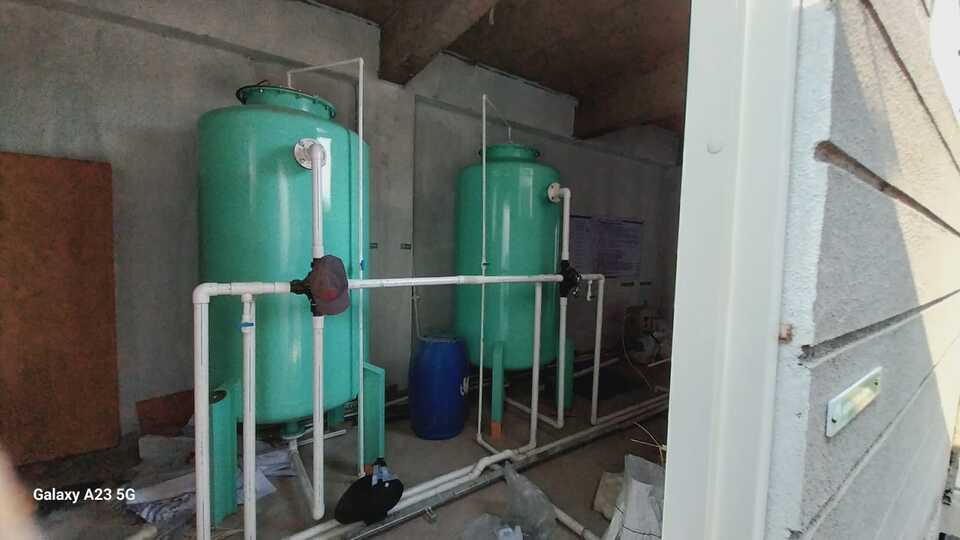
It is mandatory for large housing societies with a built-up area of over 2 lakh square feet to have functional STPs, and use the treated water for non-potable purposes like irrigation, gardening, and flushing of toilets. If housing projects do not comply with this norm, the MPCB does not give them environmental clearance. It has been seen however that once housing projects are completed and handed over to housing societies by developers, many societies allegedly fail to maintain their STPs.
Ravindra Andhale, regional officer, MPCB Pune, said that developers are given ‘consent to establish’ before starting construction while ‘consent to operate’ has to be acquired after completion of a project. However, after a society is handed over by the developer, not all societies maintain STPs or have functional STPs and some continue to use drinking water for flushing and domestic purposes, he said. If large societies fail to use STP water for flushing and domestic use, the MPCB can serve notice to them or have their water supply reduced or prosecute them.
Andhale informed that the PMC and PCMC have been asked to check if large societies within their jurisdiction have functional STPs and use the treated water for domestic purposes. “If STP water is used in such a way, a lot of water can be saved daily and it will be easy for the civic administration to meet the rising demand for water round the year. This is also a step towards making each society self-sufficient and answerable for its water demands,” he said.
But the PMC does not have the exact details of large societies and their STPs even as the PCMC has been working toward effective implementation of the rule to tackle the water shortage problem. In a recent meeting held by the divisional commissioner of Pune, the PMC was asked to submit details of such large societies and their STPs. However, the civic body responded by saying that it is in the process of collecting the data.
Shrinivas Kandul, head of the electrical department, PMC, said that the process of collecting the details of such large housing societies and societies with defunct STPs is underway. However, the PMC does not have the power to take action against such societies that have non-existing/defunct STPs. On the other hand, the MPCB does have the power to take action and can do so if required. The PMC can provide manpower support, he said.
Sanjay Kulkarni, head of the environment department, PCMC, said that the civic body has its own rules according to which it is mandatory for all housing societies with over 200 flats in Pimpri-Chinchwad to have functional STPs and use the recycled water for domestic purposes. “There are over 300 such large housing societies. Of the 300, over 41 had defunct STPs. Following the action and follow-up by the PCMC, as many as 21 housing societies have made their STPs operational and currently, only 20 societies have defunct STPs,” he said.


