The 19.2 km-long Ramnadi which is currently marred by encroachments, and used as a place to dump waste, is in need of complete ecological restoration. Kirloskar Vasundhara has collaborated with Rotary District 3131 to jointly work for its restoration for the next five years by undertaking a green management programme of the heritage structures located on the banks of Ramnadi. This was announced in a press conference on Monday.
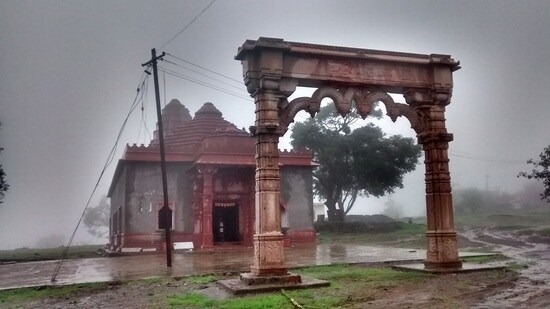
The project has identified four sites, mostly temples, for revival. The green management plan includes the restoration of water sources available in these structure premises along with waste management, green technology intervention and environmental awareness.
Virendra Chitrav of Kirloskar Vasundhara Ramnadi restoration Mission said, “This project aims to use the ecological approach towards the entire river basin, engaging all stakeholders, and creating awareness for ecological sanitation and a sustainable toxic-free lifestyle among residents by the river. Moving ahead with our ecological approach, we have now initiated the green heritage management project.”
There are also several heritage structures in the watershed areas. It includes prominent heritage sites like Jarseshwar Temple, Rameshwar Temple, Wakeshwar Temple, and Someshwar Temple. Although these are religious places, however, most of them have a historical background.
“The heritage structures adjoining the Ramnadi have environmental importance. With ample vegetation and water resources, these are the places that also require sustainable development. Moreover, things like flowers, garlands, and clothes offered in the temple are later dumped into the river, which causes pollution in river water. These temples are places with relatively higher visitors. Therefore, implementing green management projects will not only help in keeping the environment clean but also in creating awareness,” added Chitrav.
{{/usCountry}}“The heritage structures adjoining the Ramnadi have environmental importance. With ample vegetation and water resources, these are the places that also require sustainable development. Moreover, things like flowers, garlands, and clothes offered in the temple are later dumped into the river, which causes pollution in river water. These temples are places with relatively higher visitors. Therefore, implementing green management projects will not only help in keeping the environment clean but also in creating awareness,” added Chitrav.
{{/usCountry}}Twelve environmental organisations, 33 colleges, 25 schools from Ramnadi basin, and environmental experts have been working for the project. The overall restoration project is supported by PMC, PCMC, and PMRDA and the authorities have a key role in policy-making and will also contribute to funds.
Manju Phadke, district dovernor of Rotary 3131 said, “The objective has been the restoration of Ramnadi closest to its former state. This includes a continuous flow of river water, while creating a holistic and sustainable model for the same and development model for our heritage buildings.”
Reed Bed at Someshwar Temple in Pashan
This pilot project which was introduced last year had a natural filtration system that can be used to treat and improve water quality before discharging into the environment. The project received huge success and the Dissolved oxygen level in the water resource of Someahwar temple improved by up to 8 PPM equivalent to drinking water.
“We are now in talks with temple authorities to develop an independent plan for green management in each temple and experts and NGOs from various fields are supporting us with the project,” added Chitrav.