
 E-Paper



Pune health dept rolls out plan to curb vector, waterborne diseases
The health officials have identified Wagholi, Dehu, Shivne, Uttamnagar, Manjri, Loni Kalbhor, Khadakwasla and Keshavnagar amongst the 79 high-risk villages in the district vulnerable to vector-borne diseases


The state public health department has chalked out an action plan to prevent the outbreak of vector and waterborne diseases ahead of monsoon season. Around 79 high-risk villages in Pune district have been identified and shortlisted for special attention this rainy season, said officials.
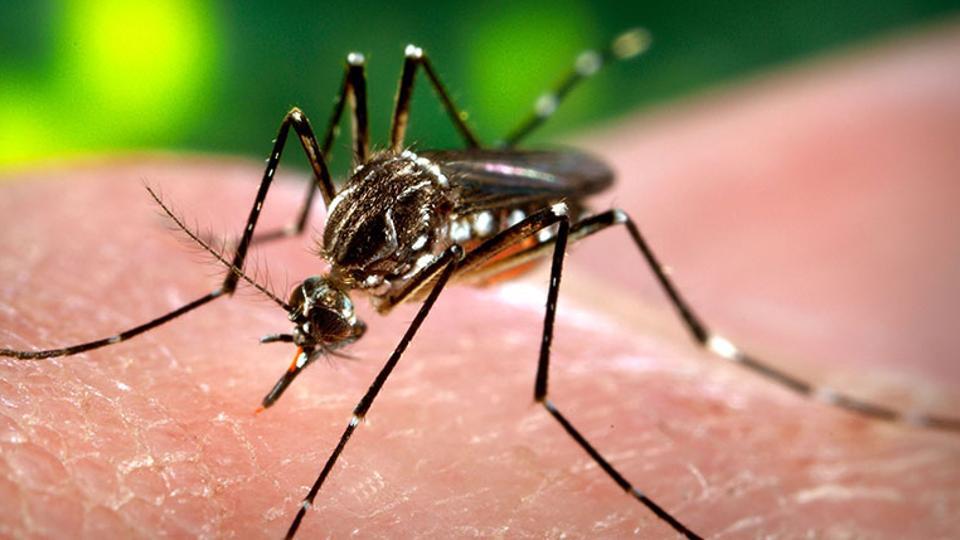
The officials who met on Thursday have decided to make arrangements for notification of cases, case management, ensuring community engagement through Information education and communication, social mobilisation campaign for observation of dry days, use of personal protective measures, etc. Timely availability and effective distribution of drugs and diagnostics along with insecticides, fogging machines are also added as per the plan.
The health officials have identified Wagholi, Dehu, Shivne, Uttamnagar, Manjri, Loni Kalbhor, Khadakwasla and Keshavnagar amongst the 79 high-risk villages in the district vulnerable to vector-borne diseases.
Dr Radhakishan Pawar, deputy director of health services, has written to the health officials of Pune, Pimpri-Chinchwad municipal corporations and Pune district to ensure preparedness to prevent the outbreak of vector and waterborne diseases.
Pawar said, “The rainy season could cause flood-like situation in some parts and lead to upsurge in malaria, dengue, chikungunya, Japanese encephalitis, and lymphatic filariasis apart from waterborne diseases. Medicines, equipment and mobility support should be ready for quick response to any emerging health situation. A dedicated team should be formed to conduct daily disease surveillance and prevention activity by door-to-door visits. A rapid response team at a control room has to be set up.”
He said that a death audit committee will be formed to verify the cause of death in cases of any suspected vector or waterborne disease.
Dr Suryakant Deokar, assistant medical officer, PMC, said, “We have made preparations for the monsoon to handle any surge in vector or water bornediseases. The staff is undergoing training and the surveillance programme will soon be started. PMC will use social media to create public awareness and has adequate stock of medicines.”
Dr Ramchandra Hankare, district health officer, said the team will conduct surveillance of high-risk villages. “The team will monitor fever cases in these villages, submit report and take preventive measures,” he said.


