
 E-Paper



Pune city can draw additional 5 TMC water from Mulshi dam: Committee
The committee in its report also suggested that the height of the Mulshi dam be increased by another metre in order to store additional water which in turn can be further provided to Pune city


If the water resources department of the Maharashtra government accepts the recommendations of the committee constituted by the state government, Pune city will be able to draw an additional 5 thousand million cubic feet (TMC) of water from the Mulshi dam to overcome the shortage at Baner, Balewadi and the newly-included villages of Bavdhan and Mahalunge.
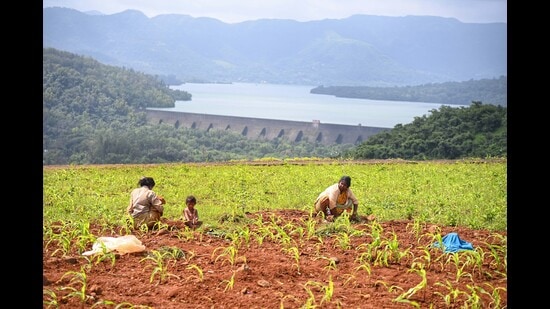
Last week, the committee had submitted its report to the state irrigation department and an official involved in preparing the report said that it is possible to lift 5 TMC water from the Mulshi dam for drinking purposes without compromising power generation. The committee in its report also suggested that the height of the Mulshi dam be increased by another metre in order to store additional water which in turn can be further provided to Pune city.
The committee had been constituted by the then chief minister of Maharashtra, Devendra Fadnavis, under former irrigation secretary Avinash Surve who studied the matter and submitted the report. “We carried out a detailed study of the proposal to utilise Mulshi dam’s water for drinking purposes. This dam is in the Tata company’s possession and they are mainly using it for power generation. The power generated from the dam water is used for Mumbai city. I will not disclose all the technical details but I can share major recommendations,” Surve said.
“We have recommended that it is possible to use 5 TMC water from the dam for drinking purposes without compromising electricity generation. Even if we want water up to 10 TMC, we have suggested that the height of Mulshi dam be increased which is possible,” Surve said.
Just last week while interacting with the media, opposition leader Ajit Pawar had said, “The Surve committee has submitted the report to the irrigation department. Pune district guardian minister Chandrakant Patil has promised to call a meeting on this report in the presence of deputy chief minister Devendra Fadnavis.”
Currently, Pune draws maximum water mainly from the Panshet, Varasgaon, Temghar and Khadakwasla dams constructed on the Mutha river. The city also gets water from the Pawna dam, and the project to draw water from the Bhama Askhed dam was commissioned in 2020 to meet the demands of the Nagar road area. A rising population along with expansion of city limits has pushed up the demand for water in Pune whose daily requirement stands at 1,650 MLD.
Earlier in 2005, the state government had approved a quota of 14.48 TMC for the city which has not been revised ever since despite the Pune Municipal Corporation’s (PMC’s) demand to increase the quota to 18.58 TMC in view of the rising population. The PMC is already drawing more water and has been paying extra charges for it to the state water resources department. Whereas the state water resources department has been opposing the PMC’s drawing of extra water from the dam.
There has been a longstanding demand from all elected representatives to draw water from the Mulshi dam. Elected members are of the view that if the water is used for drinking purposes post generation of electricity, the water shortage in Pune city and the rural parts of the district will be resolved. As there are various technical and legal issues involved, the state government had constituted a committee for the same. In 2018, the Fadnavis government had asked the Pune Municipal Corporation (PMC) to submit as early as possible a proposal for drawing additional water from the Mulshi dam. This dam is located around 40 km from the city in the western part of Pune district.


