Relentless rainfall across the catchment areas of Pune’s four major reservoirs – Khadakwasla, Panshet, Varasgaon and Temghar (together known as the Khadakwasla dam cluster) – has led to a sharp rise in water storage, with the four dams collectively gaining 2.6 TMC in just 24 hours ending 5 pm on Monday. Khadakwasla dam, in particular, has recorded the biggest increase with water storage more than doubling from 0.31 TMC (15.47%) to 0.68 TMC (34.32%) within 24 hours. With inflows into Khadakwasla dam also increasing sharply from 27 mcft to 294 mcft, indicating the impact of intense rainfall in the upper catchments, the water resources department has issued a precautionary alert asking people to stay away from the Mutha riverbed, warning that water may have to be released from Khadakwasla dam if heavy rainfall persists.
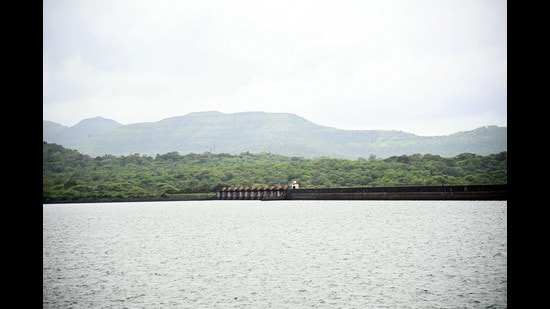
The four aforementioned reservoirs that supply drinking water to Pune together held 8.32 TMC (28.55%) of live storage at 5 pm on Monday; up from 5.72 TMC (19.63%) at the same time on Sunday. Among the upstream reservoirs, Panshet now holds 3.36 TMC (31.59%); while Varasgaon has reached 3.73 TMC (29.06%). Temghar, which had remained critically low until recently, has also witnessed a significant rise with storage touching 0.55 TMC (14.99%).
Kiran Deshmukh, executive engineer, Khadakwasla dam cluster, said, “The Khadakwasla dam complex has received substantial rainfall over the last 24 hours, resulting in a significant rise in reservoir levels. Khadakwasla dam, in particular, witnessed a sharp increase in storage due to heavy rainfall in its catchment area and a corresponding surge in inflows. We were assessing the possibility of releasing water from the dam considering the rising water level. However, rainfall intensity and inflows have reduced since then, and as of now, there are no plans to release water from Khadakwasla dam. As a precautionary measure, our officers are stationed at each of the dams and are monitoring the situation round-the-clock. Any decision on water release will depend on the reservoir level and inflows. At present, the storage in Khadakwasla dam is around 0.70 TMC and further action will be considered if it reaches 1 TMC.”
As of 5 pm on Monday, no water had been released from Khadakwasla dam. However, the irrigation department has advised citizens to stay away from the riverbed and shift livestock, agricultural equipment and other belongings from low-lying areas along the river as a precaution. Local authorities have been asked to alert residents living along riverbanks to remain prepared for any eventuality.
{{/usCountry}}As of 5 pm on Monday, no water had been released from Khadakwasla dam. However, the irrigation department has advised citizens to stay away from the riverbed and shift livestock, agricultural equipment and other belongings from low-lying areas along the river as a precaution. Local authorities have been asked to alert residents living along riverbanks to remain prepared for any eventuality.
{{/usCountry}}Despite the sharp surge however, reservoir levels remain well below those recorded at the same time last year. On the corresponding date in 2025, the four dams together held 18.35 TMC (62.95%) of their total live storage capacity. Officials said that reservoir levels and inflows are being monitored round-the-clock and any decision to release water from Khadakwasla dam will depend on rainfall and inflow conditions over the coming hours.