
 E-Paper



Rajiv Gandhi zoo masterplan in the works despite Covid interruption
PMC approved plan to develop new ecosystem making use of the unused land existing in the 130 acres which will house 10 new exotic species, reptiles and mammals in the next three years


The master plan for redevelopment of the Rajiv Gandhi Zoological Park and Wildlife Research Centre has been put to work in phase one and two simultaneously but has fallen behind schedule due to restrictions imposed by Covid-19.
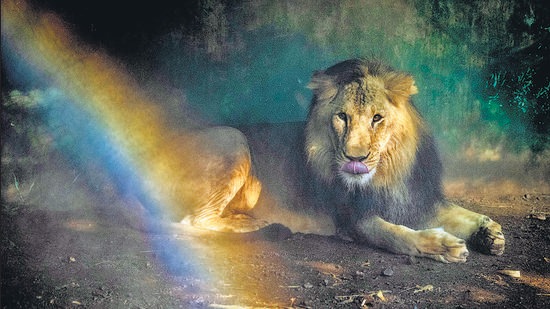
PMC approved the plan to develop a new ecosystem making use of the unused land existing in the 130 acres which will house 10 new exotic species, reptiles and mammals in the next three years.
“Although this pandemic has put a spoke into the plans and its implementation, we have managed to complete 95 per cent of the work on some of the enclosures for mouse deer, three species of jungle cats in 150 sq. metres in four enclosure and the lion enclosures. The second phase of the plan was to develop the Katraj lake post desilting into a roosting ground to attract migratory and local birds by creating small islands in the lake,” said Rajkumar Jadhav, director of Rajiv Gandhi Zoological Park and Wildlife Research Centre.
He also added that the relocation of the snake park is stuck due to paucity of funds.
“We have planned according to the Central Zoo authority’s housing plan for animals and reptiles. The new space is around 12,000 sq. metres and 150 reptiles of 29 species in the zoo’s collection at an estimated ₹2.5 crore. Initially we were to create space only for native reptiles but now we have added four exotic reptiles including anaconda and six exotic animals which include giraffe and zebra, meanwhile the lion enclosure spread around 2,500 sq. metres are almost ready,” Jadhav said.
According to the official, the newly built four enclosures are for leopard cat, jungle cat, spotted cat and the giant Indian squirrel which will be interesting for visitors who will get to see three cat species together.
“It will take another year or so to complete, the next three years will be vital for the zoo, seeing the way, the work is progressing,” he added.


