
 E-Paper



Rivers in Pimpri-Chinchwad polluted throughout the year: Report
As many as 65 nullahs flow into the Pawana River, 12 into the Indrayani River, and nine into the Mula river. As all these nullahs are polluted, the rivers too get polluted eventually

 Prefer HTon Google


According to the Environment Status Report (ESR) released by the Pimpri-Chinchwad Municipal Corporation (PCMC) on August 19, all three rivers within its limits namely the Mula, Pawana and Indrayani remain polluted throughout the year due to the regular discharge of untreated contaminated domestic- and industrial- water.
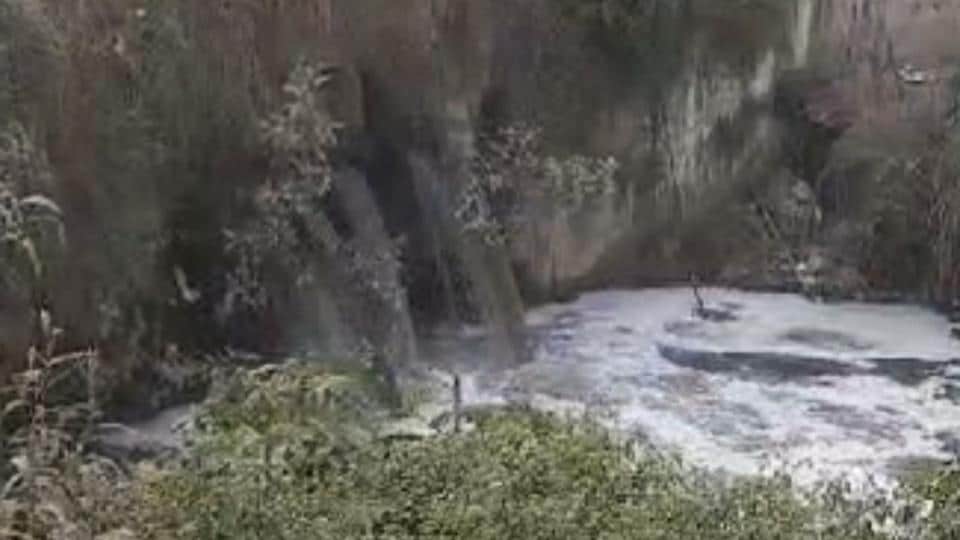
As per the ESR: “It has been observed that all the nullahs discharging into all the rivers in the twin city of Pimpri-Chinchwad are polluted. Even during summers, wastewater flows through the drains, indicating the presence of domestic- and industrial- effluents that are contributing to the pollution of the rivers.”
As many as 65 nullahs flow into the Pawana River, 12 into the Indrayani River, and nine into the Mula river. As all these nullahs are polluted, the rivers too get polluted eventually. Furthermore, the water in the nullahs and rivers in the twin city is harmful for aquatic life and ecosystems, according to experts.
Officials said that chemical analysis of water from the Pawana, Mula and Indrayani rivers carried out across different seasons revealed that the Pawana River is the most polluted among the three rivers. The river flows through the central part of the twin city and the high level of pollution can be attributed to the many contaminated drains that flow into it. After the Pawana, the Indrayani River is the second most polluted river primarily due to industrial discharge.
Furthermore, the pH level of the water in these rivers depends on temperature and the effects of global warming can be seen in the form of increased pH during summers. Changes in pH can affect the odour and colour of water apart from facilitating the dissolving of harmful elements making the water dangerous for consumption and for aquatic life.
Green activist Prashant Raul questioned whether the civic body was sleeping despite knowing about the pollution and its source. “The water quality of the rivers is better when they are outside the PCMC limits and deteriorates as they flow into the PCMC limits. The ESR is wrong and misleading and the objection has been raised by us. We have written to the chief minister of state and environment ministry about it. Besides, a lot of information is fake and the data is just copy-pasted from past reports,” he claimed.
Sanjay Kulkarni, head of the PCMC environment department, said, that the nullahs within the PCMC limits primarily serve as outlets for rainwater. “These nullahs and drains eventually merge into the Pawana, Mula, and Indrayani rivers. Due to the direct mixing of polluted industrial water and domestic sewage in the drains, the rivers are becoming increasingly polluted which is a matter of great concern,” he said.
Kulkarni said that to combat pollution, regular monitoring of the water quality in the nullahs is essential. “The environmental department of the PCMC regularly tests the water quality of the drains that merge into the Pawana, Mula, and Indrayani rivers. Besides, measures are taken to prevent contamination of river water,” he added.
Manchak Jadhav, sub-regional officer of the Maharashtra Pollution Control Board (MPCB), Pune, said, that action is taken by the board regularly against river pollution in the city. The board has engaged in continuous communication with the PCMC. “In the past, we have issued show-cause notices and interim directions. A few prosecutions have been carried out by the MPCB in the past against PCMC for river pollution. The Pawana river is getting polluted within the PCMC limits whereas some of the contamination in the Indrayani River is taking place outside the PCMC limits,” he said.


