
 E-Paper



Stray dog feeding points a headache for authorities
In a recent incident on February 17, Neeta Bidlan from Green Hive Society, Phursungi, was mobbed by the society residents after a stray dog attacked a child in the society

 Prefer HTon Google


Frequent clashes between housing society residents and animal lovers over stray dog feeding points have become a headache for the authorities, that have received over 50 complaints of serious differences with no solution agreed upon by either side. Additionally, there are many other complaints at the ward level about dog feeding points. While animal lovers claim that the authorities are not able to resolve the problem, authorities claim that people are not cooperating.
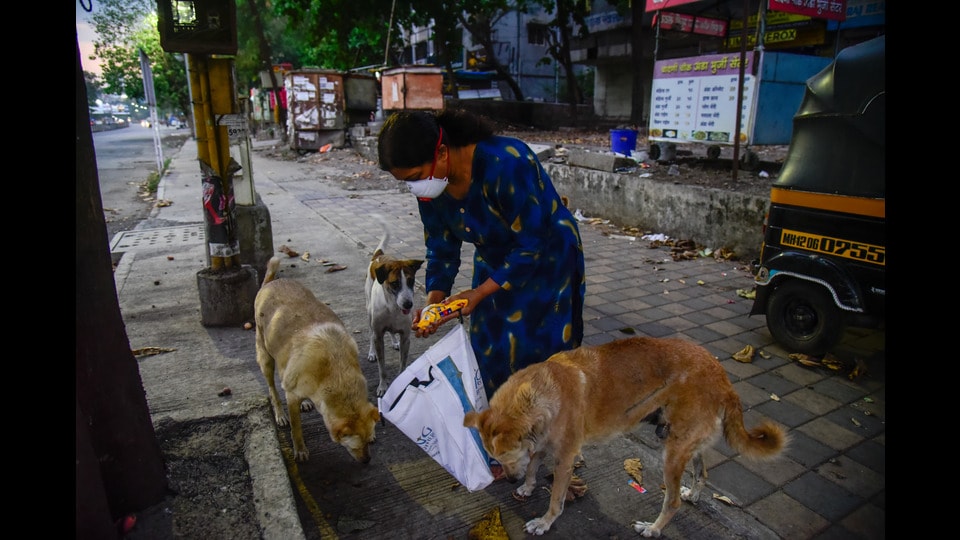
In a recent incident on February 17, Neeta Bidlan from Green Hive Society, Phursungi, was mobbed by the society residents after a stray dog attacked a child in the society. Neeta – who feeds the stray dog in the society – had to face the wrath of the residents who blamed her for the incident. Neeta is not the only animal lover who has had to face such difficulties for feeding stray dogs. There have been several incidents where those who feed stray dogs in societies have been verbally or even physically attacked by the residents over stray dog feeding points.
The Society for Prevention of Cruelty to Animals (SPCA) and the health department of the Pune Municipal Corporation (PMC) constantly receive complaints from citizens related to stray dog feeding. Ankush Parihar, head, SPCA, said, “Stray dog feeding complaints form a chunk of the animal cruelty-related complaints. Every week, there are at least five to six complaints received by us. Whereas there are only one or two complaints about cruelty towards animals. After receiving the complaint, the society directs it to the joint committee formed to handle such complaints. The committee comprises PMC officials, police officials, and members and animal lovers from the housing societies. The committee then inspects the location and tries to figure out solutions through discussion and mutual agreement.”
Dr Sarika Funde, chief veterinary officer, PMC, said, “There are many complaints as well as applications for stray dog feeding points that are being received by the PMC. The applications or complaints are primarily handled at the ward level. However, if the conflict situation continues, it comes to the PMC head office. As per the Animal Welfare Board’s directive, a committee has been formed in the city to resolve stray dog-related issues. The committee tries to solve the feeding point problem as per the guidelines. In some cases, there is mutual agreement regarding the place to feed stray dogs but many a time, there is no conclusion as society residents do not agree to stray dog feeding points inside or near the society premises. It is mostly out of fear that stray dogs attack citizens. Based on our observation, we have found that stray dogs do not attack randomly and hunger or some other provocation is usually the cause of such attacks.”
Apart from stray dog feeding points, the PMC also receives complaints about dogs barking and till date, there are 100 such complaints received by the PMC. However, it is difficult to come to any conclusion over the issue, Dr Funde said.
Prasad Shinde, a Hadapsar resident, said, “We have a serious stray dog issue. Many stray dogs can be seen wandering on the road and they are quite aggressive, especially during early morning hours. Many people who either go for morning walks or work are scared as the dogs start barking at them. Citizens do not want any dog feeding point near the housing society as they are scared these dogs may attack any time. Although animal care is necessary, we can’t neglect the citizens’ demand.’’
Dr Satish Chaugule, veterinary officer, PMC health department, said, “As per the Animal Welfare Board’s directive, it is mandatory for every society to reserve a place for stray dog feeding. It is the responsibility of the residents of the society as well as animal lovers to decide the spot mutually. Generally, this spot is expected to be at an isolated location where human interaction is less. However, the guidelines are not clear whether the spot should be inside the society or outside. It leads to conflict in many societies.”


