
 E-Paper



Strike by contractual healthcare staff affects screening programme for children with special needs
The contractual staff includes nurses, doctors and allied workers working with primary health centres, rural hospitals, district hospitals and several healthcare and screening programmes conducted by the state government


Last year’s strike by contractual healthcare staff has badly affected the District Early Intervention Centre’s (DEIC’s) child screening programme, which aims to identify and provide early intervention for children with special needs and impairments. During the strike by more than 35,000 contractual staff in Maharashtra and 2,100 contractual staff in Pune district between October 25 and November 30, 2023, implementation of the programme was affected, said officials.
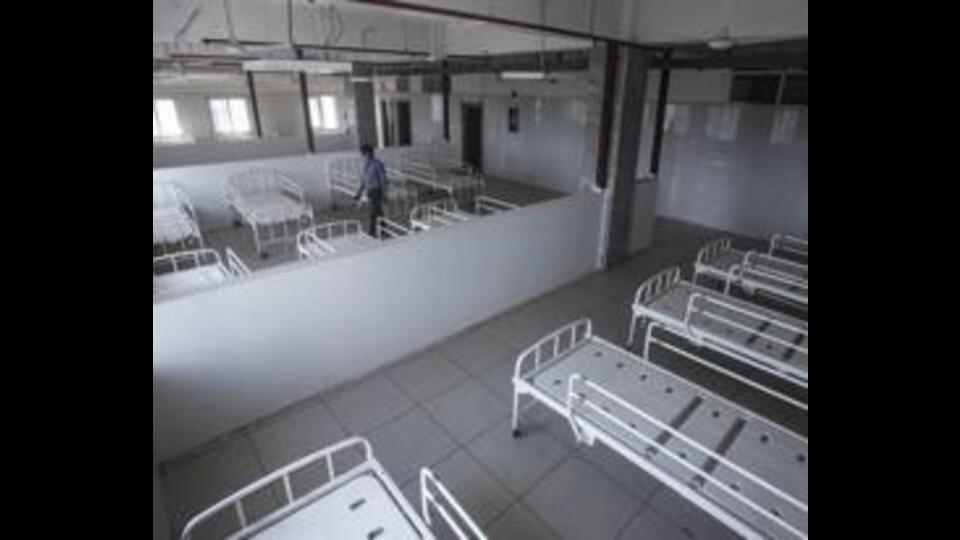
The contractual staff includes nurses, doctors and allied workers working with primary health centres, rural hospitals, district hospitals and several healthcare and screening programmes conducted by the state government. Due to the strike, the DEIC – which identifies around 5,000 children with developmental delays, birth defects, deficiencies and diseases till the year’s end – managed to identify only 2,927 children in need of early intervention.
Dr Minakshi Hebale, centre manager, DEIC, said that the strike and other work affected the early detection and early intervention programme for this financial year. “All children in the age group of 0 to 18 years were screened with the objective that early detection and intervention will minimise impairments among growing children. However, these children were referred from various hospitals and health screening programmes conducted across the district that were hampered,” she said.
Dr Hebale said, “Most of the children are referred from government hospitals and identified during the Rashtriya Bal Swasthya Karyakaram (RBSK) and other screening programmes for children.”


