
 E-Paper



Taste of Life: Vernacular daily’s efforts to ditch jalebi fails to convince Punekars’ sweet tooth
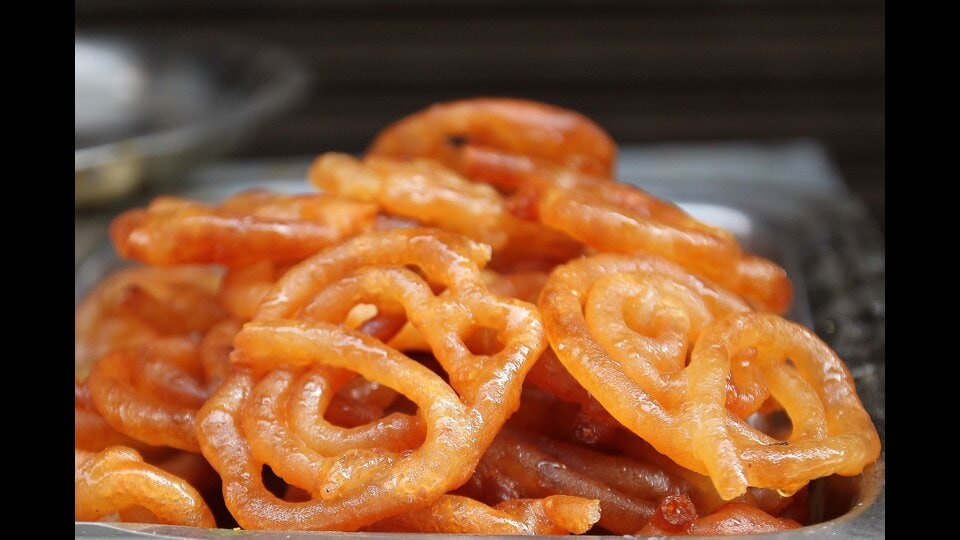
“Jilabi” is, and in the last century, was, a sweet that was very accessible in the bazaars of Pune and in the feasts, both religious and social


Food is integral to the fashioning of cultural identity, which may be self-constructed, imposed or borrowed from the outside or a mix of both. Incorporating “foreign” food into one’s diet and culture plays a major role in constructing individual and collective identity.
On April 5, 1933, the Marathi newspaper “Jnanaprakash” reported that the festival of Ram Navami was celebrated with great aplomb in the city of Pune. The centre of attraction was of course the Tulshibaug Ram temple where thousands of devotees had gathered to celebrate the birth of their beloved Lord Ram. The next day, the newspaper published a small report on celebrations in other temples, both public and private. The report included a list of sweets offered to Lord Ram – “kheer”, “shira”, “pedhaa”, “panchamrut”, and “jilabi” (jalebi). A fast of “eight prahars” is traditionally observed in Maharashtra on the occasion of Ram Navami. In the late nineteenth century, some influential families began hosting a feast the next day after the fasting was over. “Jnanaparakash” mentioned that “jilabi” was served at these feasts.
The inclusion of “jilabi” in the list, though not surprising, is rather interesting, since just five days prior to this report, on March 31, 1933, “Kesari”, the reputed Marathi newspaper, published an article ruing and subtly condemning the popularity of the sweet in Pune. The name of the author was not published, but since the newspaper chose not to mention that the article was sent to it anonymously, it is clear that it was written by someone from the editorial team.
According to the article, “jilabi” had been, since the last decade, the dessert of choice during the feasts at several “poojas” and social functions like thread ceremonies. In the holy month of “Shravan” or during the wedding season, several men and women would invariably enjoy feasts almost daily. Guests would be served “jilabi” in almost all these feasts. According to the article, guests were not able to devour a variety of desserts since every household and every temple would serve “jilabi”. If the guests were eating the same dessert every day, would they not get bored and was not satisfying the guest, an important duty of the host, it asked.
This might be considered a valid point, had the article not proceeded to mention the origins of the sweet.
“Jilabi” is a popular sweet in the south and west Asia and Africa. It goes by many names, including, jalebi, jilapi, jilibi, zelepi, Julia, jerry, z’labia, mushabbak, or zalabia. While the exact origin of the dish is not known, the earliest documented evidence comes from the 10th-century Arabic cookbook “Kitab al-Tabikh” written by Ibn Sayyar al-Warraq.
The 15th-century treatise “Gunyagunabodhini”, written in Western India, mentions “jilabi” along with several other sweets like puranpoli, mandige, kheer, ladoo, shrikhand, anarsa, gheevar, and karanji. However, the sweet is referred to as “kundalika” and “jalawallika” in the text. “Jalawallika” is the Sanskritised appropriation of the Arabic name of the sweet – zalabia.
The cookbook “Bhojanakutuhala” written in the 17th-century Thanjavur also carries a recipe for the dish. But the sweet is conspicuously absent in the reports and letters written during the Peshwa era. We come across sweets like “gulab jamun”, “shrikhand”, “kheer”, “ladoo”, and “puranpoli, but not “jilabi”. It can hence be inferred that the popularity of the dessert in Pune was relatively modern, which might have irked the author of the article.
The article mentioned that certain dishes became popular because they were “novel” and “novelty” was not always welcome. It subtly hinted that “jilabi” was “exotic” by saying that it was “foreign”. “Exotic” indicates something distinctly different. What’s “exotic” to one might not be “exotic” to the other. The use of the word “foreign” lengthens the distance between one group of humans and another. It reinforces xenophobia.
Each food culture provides eaters with reassurance about what they can eat. It determines what is suitable for eating among what is naturally edible, separating “pure” food from the “impure” or taboo. It dictates how food should be prepared and also the order and context in which it should be eaten. Any change in this culinary order may unsettle us and cause unease and revulsion for a dish from a different food culture. This food neophobia appears in adults when they encounter culinary “otherness”.
The fear of certain kinds of food and the fear of others are linked and interact. Xenophobia and food neophobia go hand in hand.
“Jilabi” is, and in the last century, was, a sweet that was very accessible in the bazaars of Pune and in the feasts, both religious and social. By exoticising it, it was assigned a value that was lower than the status quo. The article essentially “othered” the sweet from a dominant so-called “upper caste” perspective. After all, it was meant for the “educated”, and hence a largely so-called “upper caste” readership.
At the same time, the author mentioned that he was perfectly fine with the introduction of “western” dishes in the traditional Maharashtrian cuisine. This was a rather shrewd and cunning statement since even though the Maharashtrian cuisine had incorporated several “foreign” ingredients like potato, chillies, tomato, coffee, sago, peanuts, pineapples, cauliflower and many other vegetables and fruits, “western” dishes like cakes, pies, and puddings were never cooked in Maharashtrian homes then. Nor were they part of any traditional feast. In fact, anyone eating those would be possibly ostracised. The author must have merely wanted readers to believe that he possessed a rather broad worldview by mentioning his acceptance of “western” cuisine.
The popularity of “jilabi” in Poona had resulted in the deterioration of the culinary skills of the cooks, the article argued. If they were cooking “jilabi” every day, they were bound to forget how to cook “shrikhand”, “basundi”, and soft, paper-thin “puranpolis”. And once they forget how to cook the delicacies, the dishes would be completely wiped out of the public memory, the author feared. To save the “traditional” dishes from extinction, it was necessary that “jilabi” should not be served at all, the article said.
The author suggested several “novel” desserts to be served in Pune. According to him, those dishes were popular before “jilabi” took over, because they were suited to the local climate and the socio-economic fabric of the city. People had been cooking those for centuries because they were “local”. According to the author, the readers in Pune were familiar with “traditional” and “delicious” dishes like “shrikhand”, “basundi”, “puranpoli”, “kheer”, “ladoo”; but he also suggested sweets like “doodhpak”, “mandige”, “kadabu”, and “gheewar”. “Doodhpak” is a kind of rice pudding made from milk, rice, saffron, and nuts. It was a popular dish in the erstwhile Baroda state with which the city of Pune had close ties. The author concluded by mentioning that he hoped that “traditional” Maharashtrian sweets would become popular again.
Encounters with “otherness” might be exciting for some, while threatening for others. Sharing a meal, accepting or adopting a “foreign” dish indicates recognition of the “otherness”.
Fortunately, the advice and the indignation of the author were not taken seriously by the readers in Pune. “Jilabi” is now an integral part of our socio-cultural fabric along with several other sweets mentioned in that article in “Kesari”.
Chinmay Damle is a research scientist and food enthusiast. He writes here on Pune’s food culture. He can be contacted at chinmay.damle@gmail.com


