
 E-Paper



Two years of Covid: Public health infra boost to tackle virus spread
In the past two years, the pandemic drove all corporate social responsibility funding towards health infrastructure and PMC hospitals which had only 1,200 non-oxygenated beds received over 850 oxygenated beds and 143 beds in ICU


The Covid outbreak challenged the health infrastructure, especially the public health infrastructure. Prior to the pandemic, Pune Municipal Corporation’s (PMC) health infrastructure was in a shambles as most hospitals lacked machinery and manpower. The only hospital with ventilator facility was Kamala Nehru with about 10 machines. However, in the past two years, the pandemic drove all corporate social responsibility (CSR) funding towards health infrastructure and PMC hospitals which had only 1,200 non-oxygenated beds received over 850 oxygenated beds and 143 beds in ICU. This excludes the 200 ventilators and 600 oxygenated beds present at the College of Engineering Pune (COEP) jumbo hospital. In addition, PMC also built oxygen plants and recruited expert manpower to handle machinery.
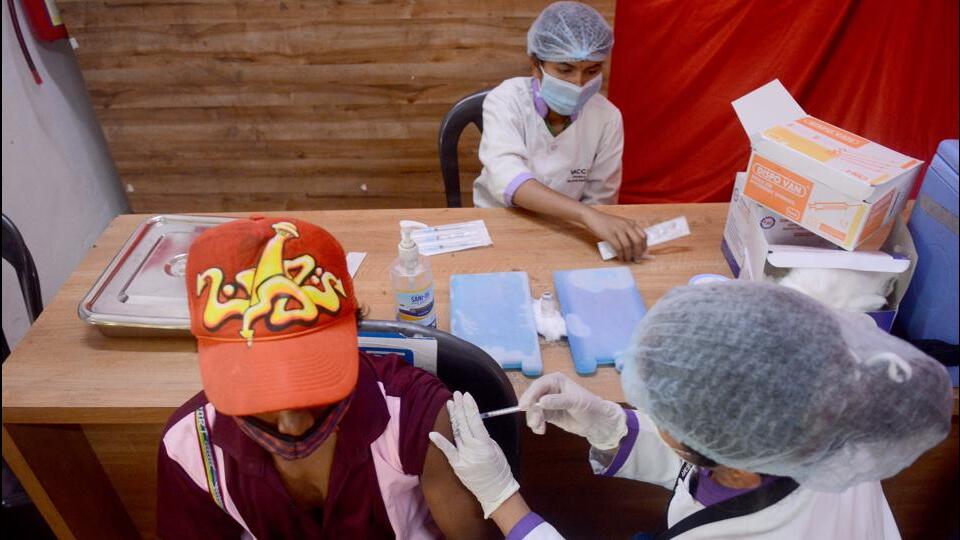
Prior to the Covid pandemic, PMC’s 1,200 beds were housed in 18 maternity hospitals, one general hospital, Kamala Nehru and Naidu Infectious Disease Hospital. Although Naidu hospital was one of its kind in the state and the first hospital in Maharashtra to be declared as a dedicated Covid-19 hospital, the hospital did not have any ventilator before the pandemic.
The pandemic shifted the focus on upgrading health infrastructure. From almost no active ventilators in place, PMC received over 143 ventilators, added oxygen beds and set up oxygen plants. The number of oxygen generation plants and liquid oxygen storage plants increased as the demand for oxygen shot up drastically during the second wave.
In the past two years, the civic body has added oxygen generation plants in 13 of its hospitals with an oxygen generation capacity of 13,083 litres per minute and a storage capacity of 118 kiloliters at these hospitals. Prior to the pandemic, the civic body had only one-kilolitre liquid medical oxygen (LMO) facility at Kamala Nehru.
Dr Sanjeev Wavare, assistant health officer, PMC, said, “Most of the facilities, including oxygen plants, ventilators and ICU units that currently PMC has, are mostly through CSR or PM Cares funds. We have not purchased a single ventilator. Thanks to the upgraded public health infrastructure, we would be able to bring down the referrals out from PMC hospitals. As of now, in case of any severe disease, we had to either shift the patient to Sassoon General Hospital or private hospital under the urban poor scheme.”
In addition to the increased bed capacity and machinery, PMC also had to hire many experts, including nurses and doctors, during the pandemic. Dr Prahlad Patil, administrative health officer, PMC, said, “As of now, we have about 740 doctors and nurses and other medical staff, hired on temporary basis but the recruitment was renewed until now. Despite a fall in active Covid cases, we kept the staff intact until now because we needed them for vaccination purposes. A final decision on renewing the contract will be taken soon.”
Public health expert and Aam Aadmi Party (AAP) member Dr Abhijit More said, “There is no political will in PMC to run a civic hospital. To run a hospital, human resources is most important and absence of doctors and nurses will end up medical machinery being left unused and go to waste. The civic body should retain staff recruited during the pandemic and ensure that their services are optimally used. Special doctors should be given specific OPDs. A super specialist doctor like neurologist if asked to handle a general OPD would definitely not sit around to waste his or her knowledge. The civic body must focus on improving basic health services like medicine, gynaecology, paediatrics, psychiatric and ICU facilities.”


