
 E-Paper



When elections refuse to end
Municipal councils came first, followed by Municipal Corporations, and now Zilla Parishad and Panchayat Samiti polls in 12 districts

 Prefer HTon Google


If democracy is a festival, Maharashtra has just lived through a long and tiring season. It began with the overstretched five-phase Lok Sabha elections in 2024, rolled almost immediately into the assembly polls in November that year, and finally staggered to a halt with the last round of local body elections starting in December 2025 through February 2026.
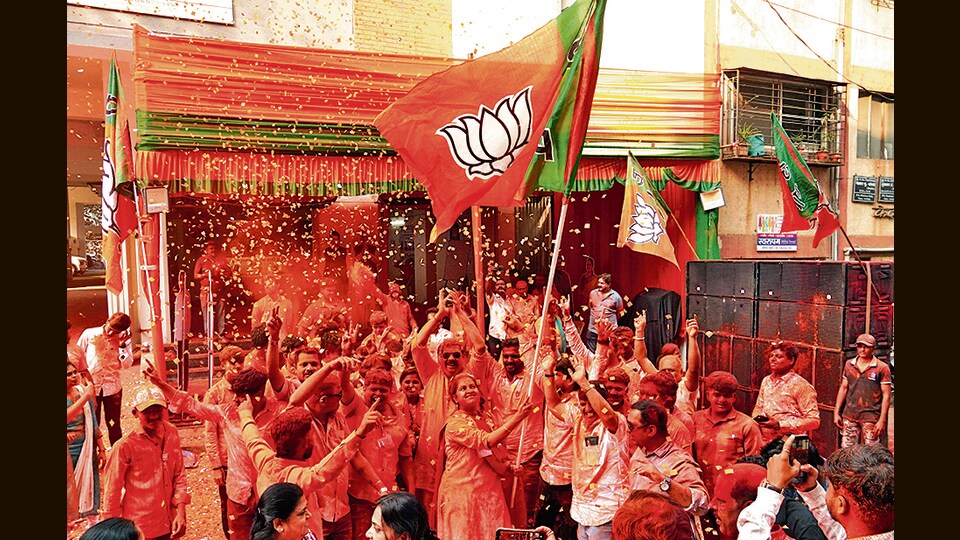
Municipal councils came first, followed by Municipal Corporations, and now Zilla Parishad and Panchayat Samiti polls in 12 districts. The electronic voting machines have barely cooled before being wheeled out again.
For voters, administrators and political parties, this has not felt like one election cycle but a near-permanent state of polling. Fatigue among citizens is visible, even if it is rarely measured. And the consequences go far beyond turnout figures or who won which seat.
At one level, this story is about dominance. The ruling combine in Maharashtra has fought these elections with the confidence of power and the advantage of organisation. From Parliament to the Assembly and down to the Zilla Parishads, the aim has been clear: control every level. Local body elections, once treated as low-profile affairs, are now fought with the same seriousness as state polls because they complete the chain of power, from Delhi to Mantralaya to the district and village. What was striking this time was how top state leaders took part so intensely in campaigning for hyper-local seats, something rarely seen before, until the sudden death of Deputy Chief Minister and NCP president Ajit Pawar in a plane crash near Baramati on January 28, while he was heading for ZP campaign events, casting a long shadow over the final days of the polls.
This was evident in the way ruling parties invested time and resources even in ZP seats that rarely make headlines. Winning local bodies is no longer only about civic control; it also shapes the narrative of who is “winning Maharashtra”. A party that rules at the Centre and in the state but loses at the district level risks cracks in administration, coordination and messaging.
But beneath this show of strength lies a quieter churn. Many local contests have seen leaders on the fringes, independents, former rebels, and smaller party workers, shifting loyalties with ease. In districts like Pune, Ahmednagar and parts of Marathwada, familiar faces contested on different symbols within a year. This is not about ideology. It is survival politics. In a long election season, uncertainty is risky, and aligning with the side seen as strong offers protection, access and relevance.
This has weakened the middle space in Maharashtra politics. Local leaders who once built their base through Municipal Corporations or ZP now look upwards first, not downwards. The question is no longer what a ward or tehsil needs, but how it fits into a larger political map. As a result, institutions meant to reflect local voices are increasingly shaped by decisions taken far away.
One of the least discussed effects of this near-continuous polling is the repeated imposition of the model code of conduct. For politicians, this is manageable. Announcements are delayed, groundwork continues quietly, and promises are saved for the next rally. For citizens and officials, it often means stalled files and delayed decisions.
Polarisation has also sharpened during this extended election phase. Every election feeds into the next. National issues spill into local contests. A Zilla Parishad election is no longer only about schools, anganwadis or drinking water; it becomes a test of loyalty to a party or a leader. This was visible in the language used, even in rural campaigns, where national slogans drowned out local problems.
Constant campaigning leaves little space for balance. Candidates are pushed to take loud, visible sides, even where local cooperation is needed. Voters, too, are repeatedly told that each election is historic and decisive. Over time, fatigue sets in, but opinions also harden.
Money has been the fuel keeping this long election engine running. A single major election is costly on its own; three layers of elections in one year severely strain resources. Candidates quietly admit to repeated fundraising and rising pressure to recover costs once elected. Parties with deeper pockets naturally gain an edge, especially in local body polls where spending is harder to monitor.
This also affects who gets tickets. “Winnability” now includes the ability to spend, not just local credibility. Grassroots workers without money find it harder to stay in the race, even if they are well known in their areas.
As Maharashtra finally steps out of this long poll mode, the question is not whether democracy has worked — it has, procedurally. Voters have voted again and again. But democracy also needs breathing space. It needs time for governing, listening and correcting.
Maharashtra’s long election season has shown organisational strength and political agility. It has also revealed the cost, tired voters, sharper divisions, expensive politics and delayed governance.
Now that the ballots will be counted for the last phase today and banners come down, the real test begins: whether those elected after this marathon can switch from campaign mode to governing mode, and whether the state can return, even briefly, to political normalcy before the next election arrives.


